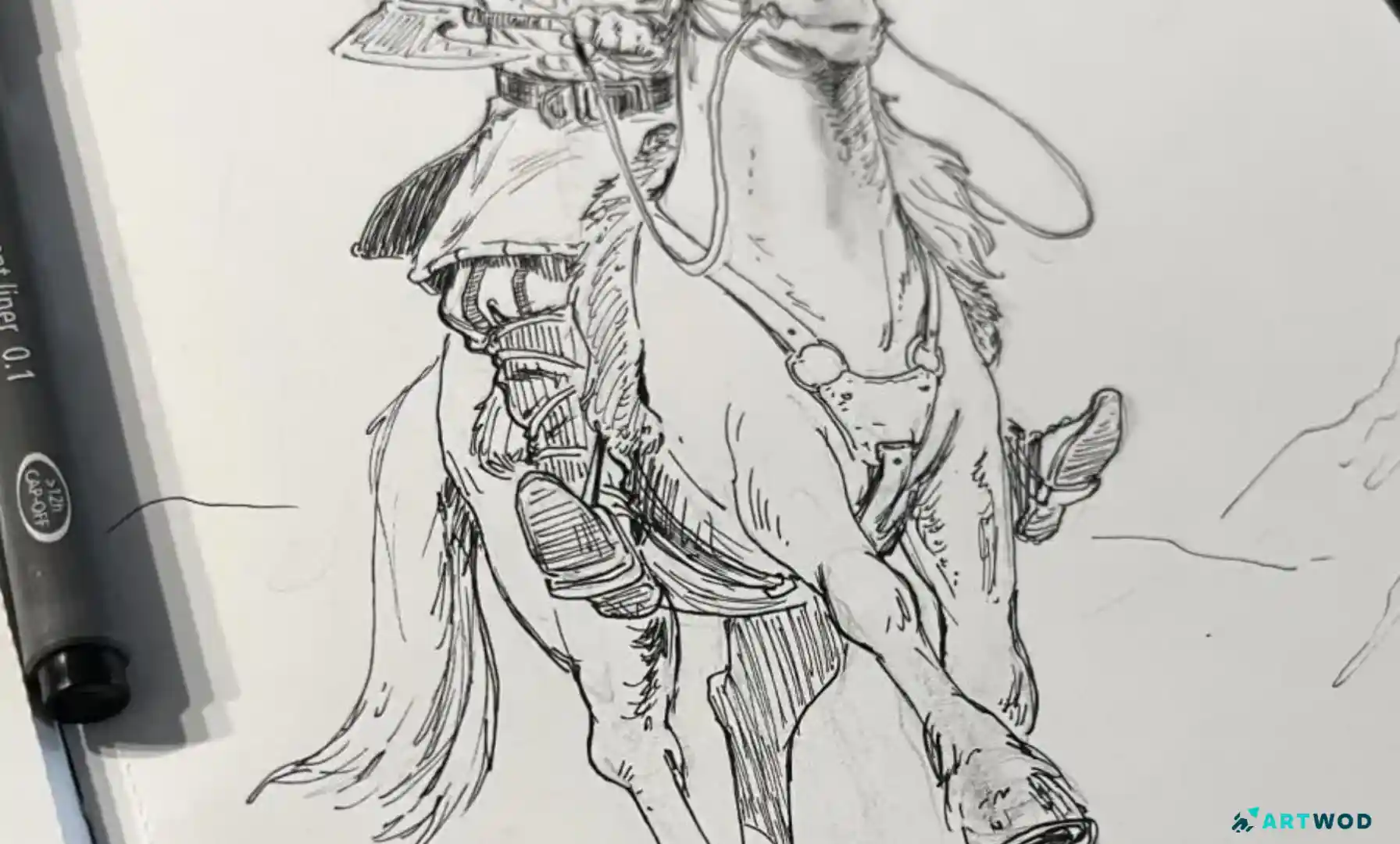
Animal Anatomy Drawing Guide for Artists
How to Learn Animal Anatomy for Drawing
If you have ever tried to draw a horse and ended up with something that looks suspiciously like a sausage dog, you already know the pain of animal drawing. The internet loves to throw 400-page veterinary textbooks at beginner artists, as if you need to pass a vet exam just to sketch a wolf. Let's be real: you do not need to know the Latin name for a dog's collarbone to make it look cool. You need a step-by-step process instead.
Understanding Skeletal Construction in Animals
Forget about memorizing every single bone and muscle layer. That is a fast track to drawing stiff, overworked disasters.
Instead, treat the skeleton as a simple framework. Understand how the main parts of your mannequin are connected - specifically how the ribcage and pelvis anchor the spine and how the limbs plug into that core. You just need to know where the major hinges and pivots are so your creature can bend, twist, and stand without breaking apart.
We repeat: you don't needs the names or the insane anatomical details to draw believable animals.
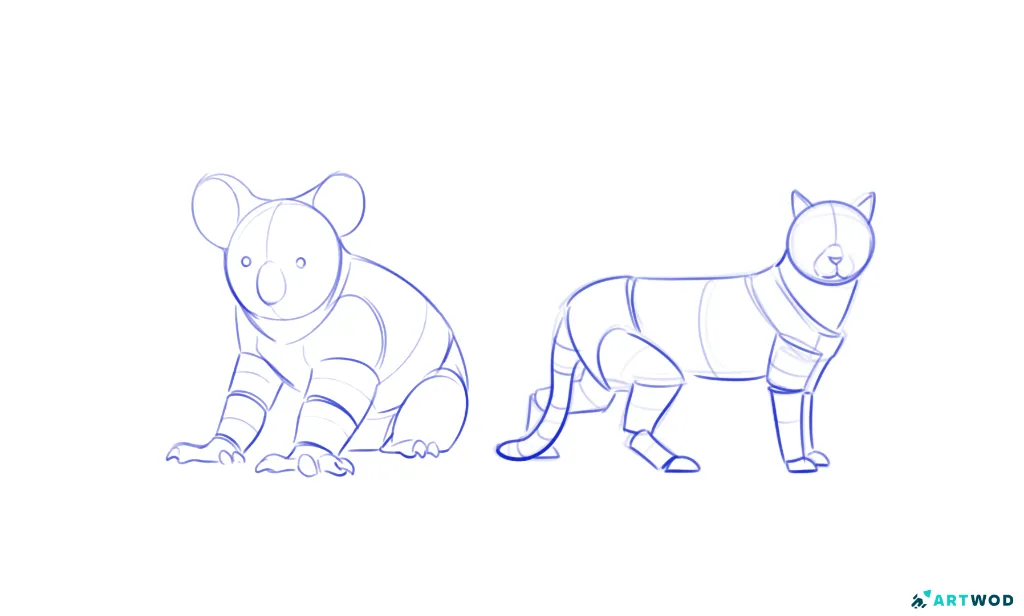
Simple animal mannequins (koala and a cat) digital 2d art in blue pen.
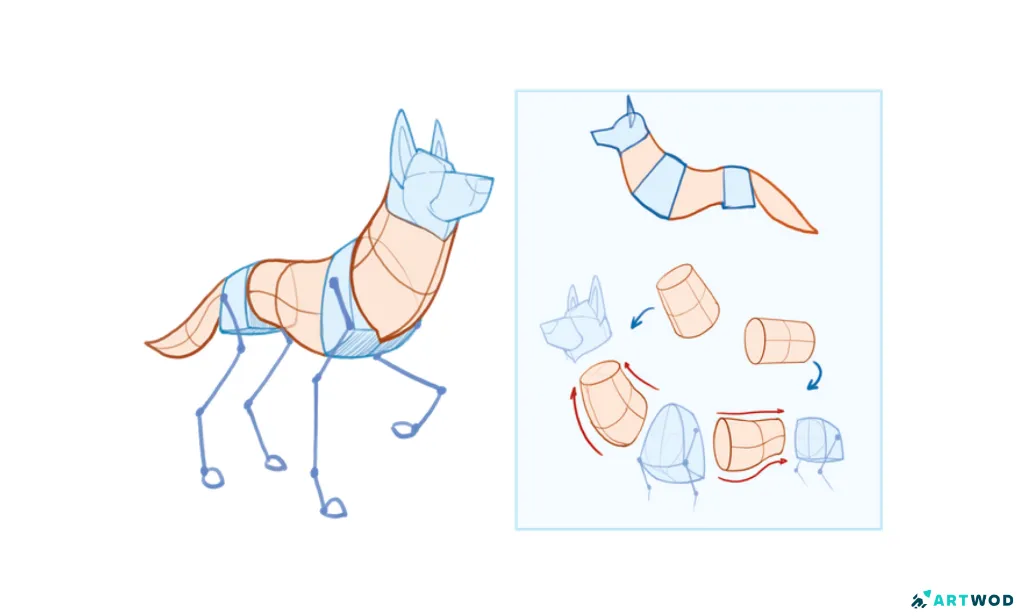
Wolf mannequin breakdown by Arne Billen. More info available in our Wolf Road
Gesture Drawing for Animals
Form gives a creature its bulk, but gesture gives it a soul. But there's no need to start with gesture unless you are confident with the form.
So when you start gathering reference material, do not jump straight into wild, high-speed action shots. Start with static, standing references to nail down your proportions and basic volumes. Once you understand how the creature exists at rest, you can move on to animals in motion without losing structural integrity. Try our centralized art feedback platform to see if you're ready to start dynamic animal drawings.
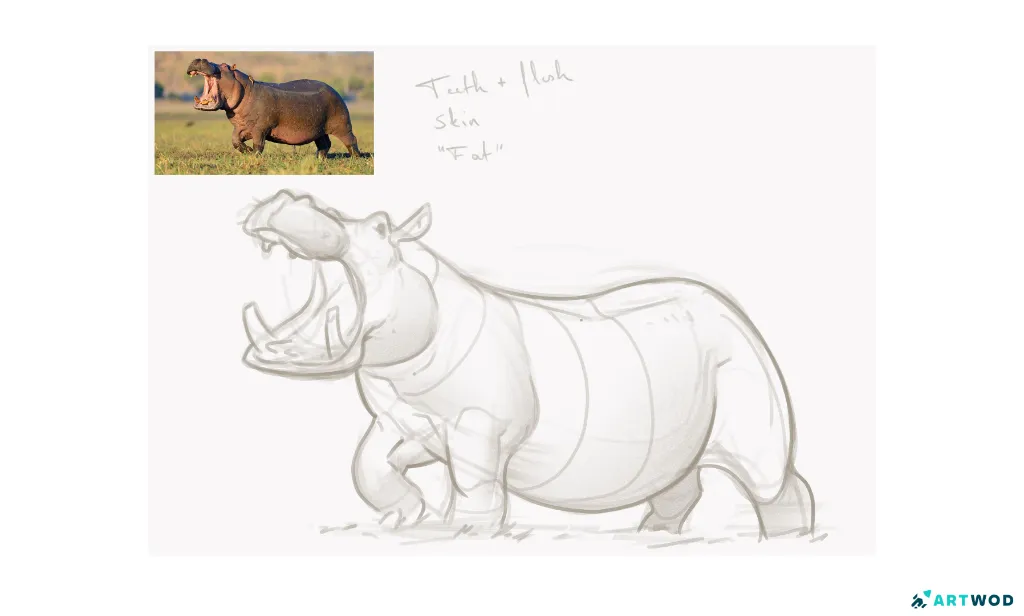
Hippo sketch by Axel Van Nederkassel. Digital 2d art.
Common Anatomy Differences Between Species
Every animal handles the same basic body plan differently, which is why drawing something new can feel like learning to draw from scratch. The biggest shifts usually happen with specialized limbs, like wings.
Whether you are looking at feathered bird wings or leathery creature wings, they are just modified arms. They still need to attach to a solid shoulder girdle and factor into the creature's overall weight distribution. Adapting your basic mannequin to handle these extreme structural differences lets you jump from a standard wolf to complex fantasy creatures without losing realism.
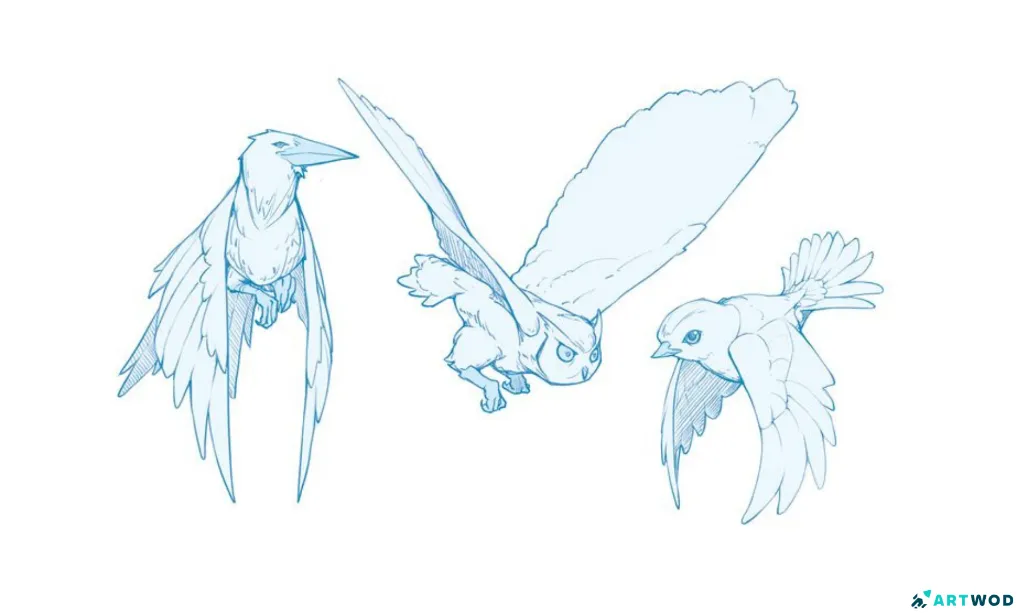
Bird sketches, digital 2d.
How Critique Improves Your Animal Drawings
Staring at your own sketch for six hours straight will completely fry your brain. At that point, you could be drawing a two-headed cat and your eyes will just accept it as normal.
Getting outside eyes on your work is the fastest way to snap out of it and catch proportion mistakes early. Sharing your sketches with peers gives you an objective look at where your volumes feel stiff or where your gesture fell flat. You can get animal drawing feedback in our Community to see how other artists tackle the same creature problems and request art feedback online to keep your work moving forward.
Related Posts