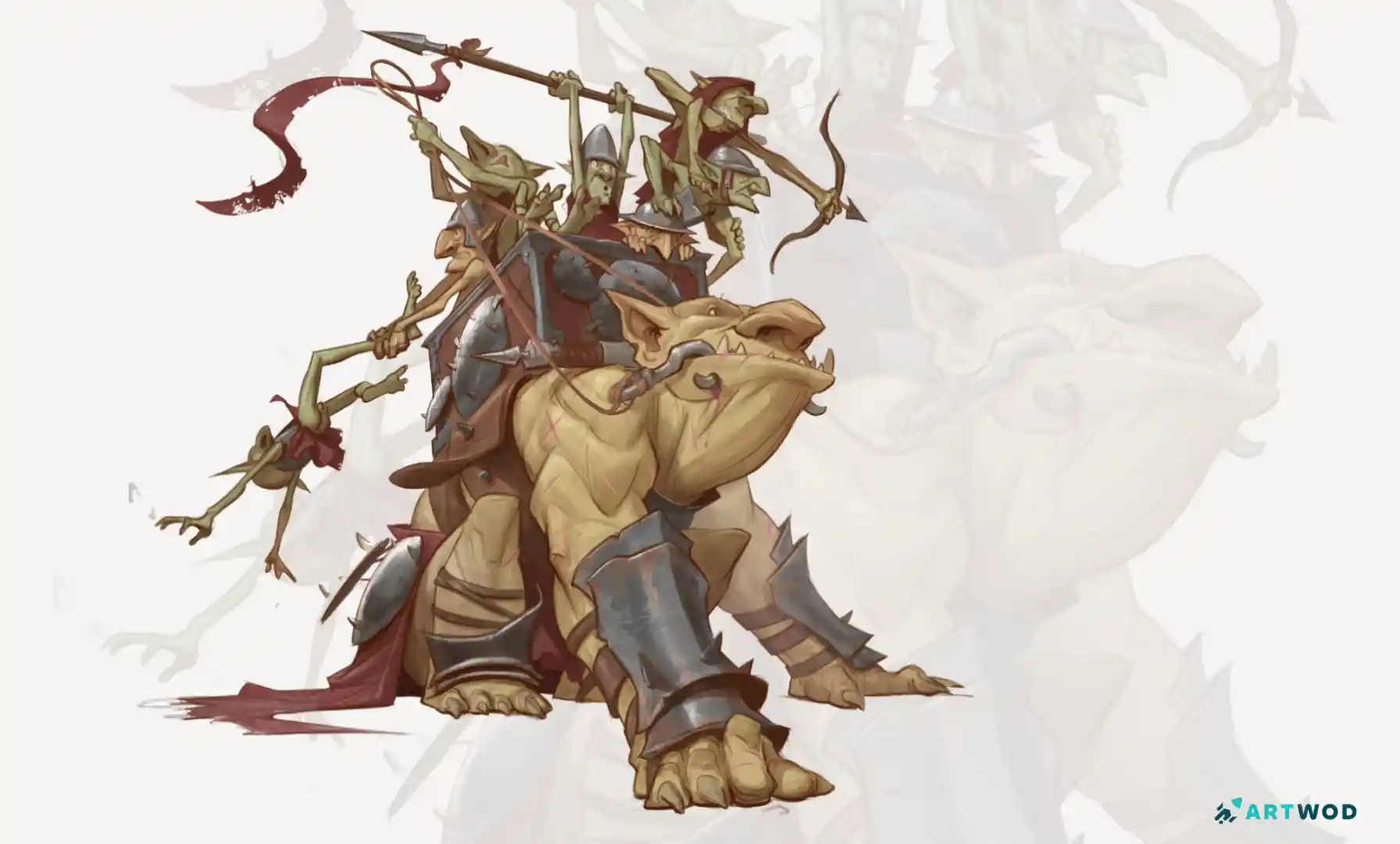
How to Find Your Art Style: A Step-by-Step Guide for Beginners
How to Find Your Art Style
Experiment with different mediums
One of the biggest mistakes artists make when trying to develop their art style is sticking to one tool too early. If you've only ever drawn digitally, you don't know yet how your hand behaves with ink, charcoal, or watercolor. And sometimes a medium you weren't expecting reveals something about how you naturally want to make marks.
Try as many as you can. Traditional art vs digital art for beginners, loose vs controlled, fast vs slow, colorful vs black and white. Remember that you're not looking for the perfect medium, but you're trying to discover what feels natural. Experimentation is one of the most underrated art tips for beginners because it removes the pressure of committing too early.
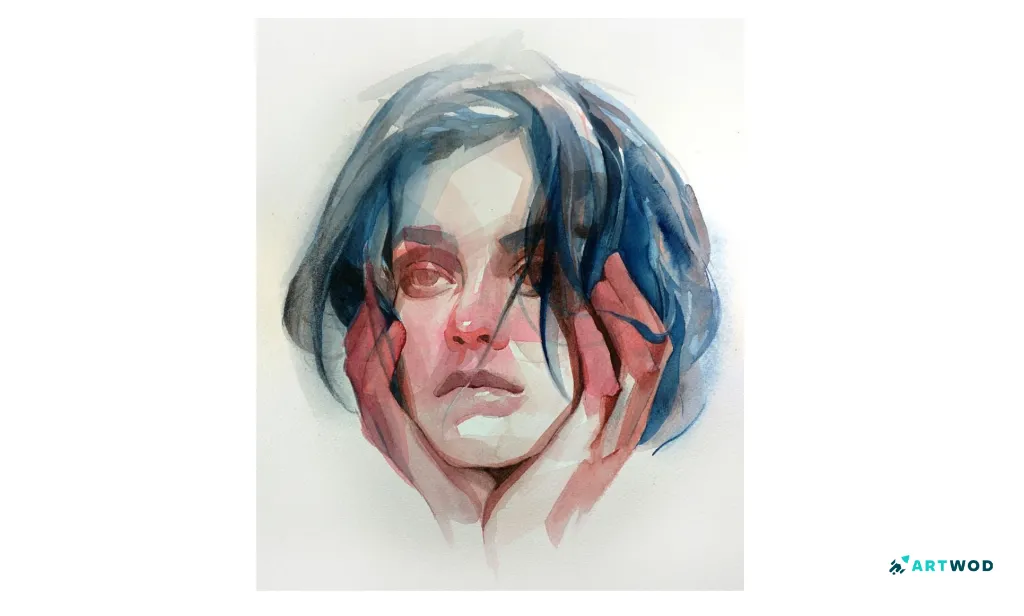
Watercolor portrait of a woman, dark blue hair, red nose and hands, melancolic, traditional
Limit your tools
This sounds like the opposite of the first point, but it isn't. Once you've experimented broadly, try going narrow. Pick three brushes. Or even just one pen. Constraints force creative decisions, and creative decisions over time become personal style in art.
A lot of the most recognizable art styles come from artists who worked within strict limitations - not because they had to, but because limitation forced them to solve problems in their own way. If you're wondering how to develop an art style as a beginner, working with less is often faster than working with more. Limitation is one of the most effective drawing tips for beginners that nobody talks about.
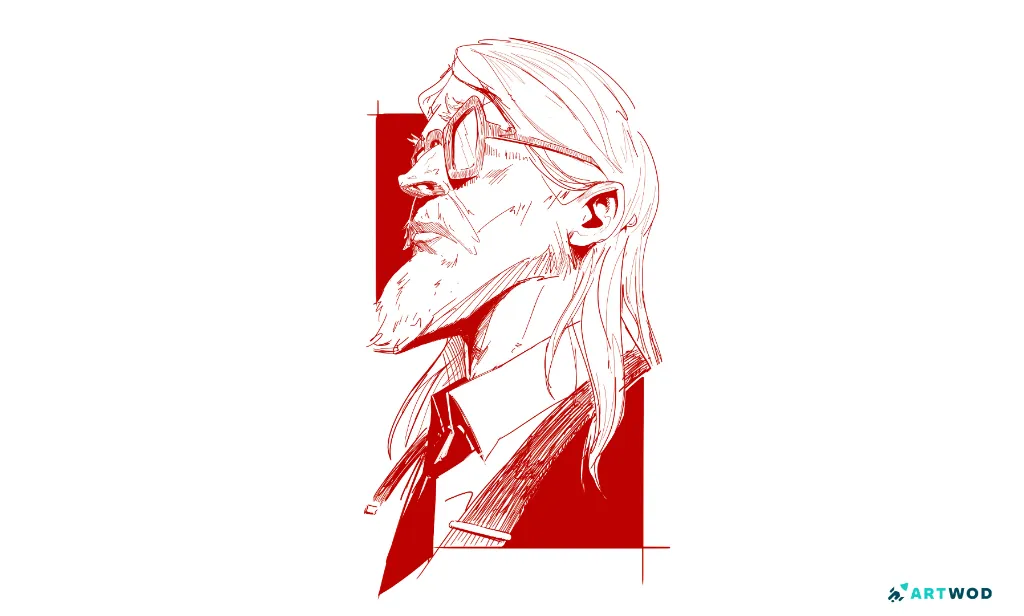
Portrait of a man by Antonio Stappaerts, 2d, digital, man in glasses with a tie and long hair, all done in red pen
Collect artists you like and analyse them
Build a folder - a mood board, a Pinterest board, anything - of artists whose work genuinely excites you. Then look carefully. What do they all have in common? Is it the line quality? The color palette? The way they simplify faces or exaggerate proportions?
This is how you reverse-engineer your own taste. And taste is the foundation of finding your unique art style. You're not going to copy these artists - you're going to understand what you're drawn to, which tells you something important about the direction your own art style development wants to go in.
Accept mistakes as part of the process
Here's something nobody tells you about how to find your art style as a beginner: a lot of it comes from accidents. A line that went wrong and looked interesting. Or a proportion that was off but gave the character more personality.
The artists who develop a strong personal art style fastest are the ones who pay attention to their mistakes instead of erasing them immediately. Some of the most distinctive elements of a unique drawing style started as something that went wrong. So slow down before you hit undo. Ask yourself if the mistake is actually telling you something. Embracing imperfection is one of the most important art tips for beginners on the road to developing your own style.
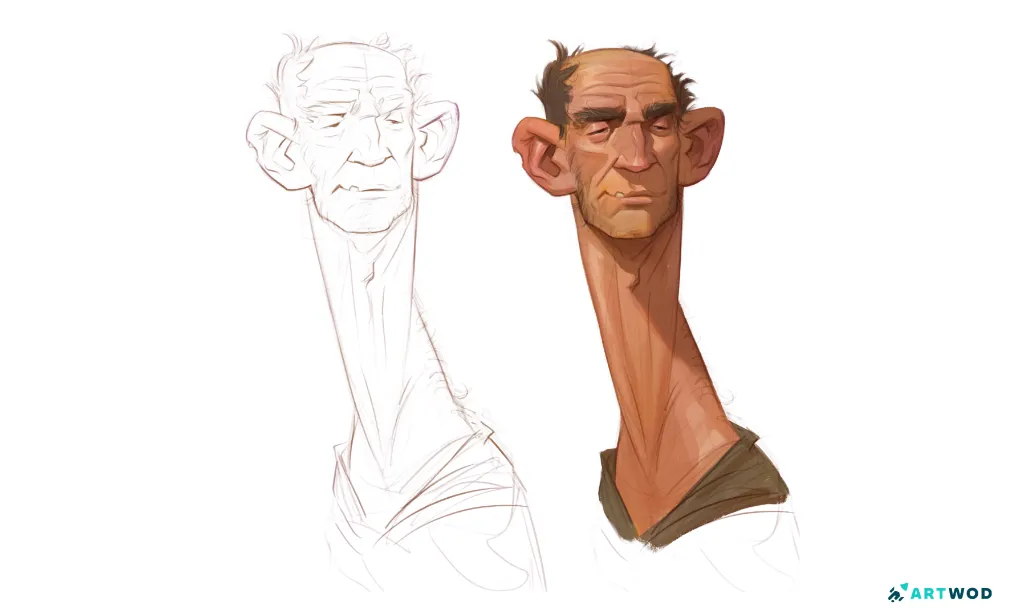
Man portrait by Axel Van Nederkassel, 2d art, lineart sketch next to a full color and render portrait. The man has an exceptionally long neck
Change one thing at a time
When you're trying to find your own art style, it's tempting to overhaul everything at once. New medium, new subject matter, new color approach, new technique. But when you change everything at once, you can't tell what's actually working.
Change one thing. Stick with it for a few weeks. See what happens. Then change something else. This step-by-step approach to art style development is slower but much more deliberate. This is one of the most practical drawing exercises for beginners because it builds self-awareness alongside skill.
Explore subjects you love
This one sounds obvious but it's one of the most powerful art style tips that gets overlooked. The subjects you keep coming back to - the ones you draw for fun, the ones you sketch in the margins - those are telling you something important about who you are as an artist.
Style is not just about how you draw. It's also about what you draw. An artist who is obsessed with architecture will naturally develop a different visual language than one who is obsessed with characters or nature. Your subject matter shapes your eye, your instincts, and eventually your personal art style in ways you don't even notice while it's happening.
So draw what you actually love. Not what you think you should be drawing, not what's trending, not what gets the most likes. The artists with the most distinctive art styles are almost always the ones who drew their obsessions relentlessly. That specificity is what makes a style feel like it belongs to someone.
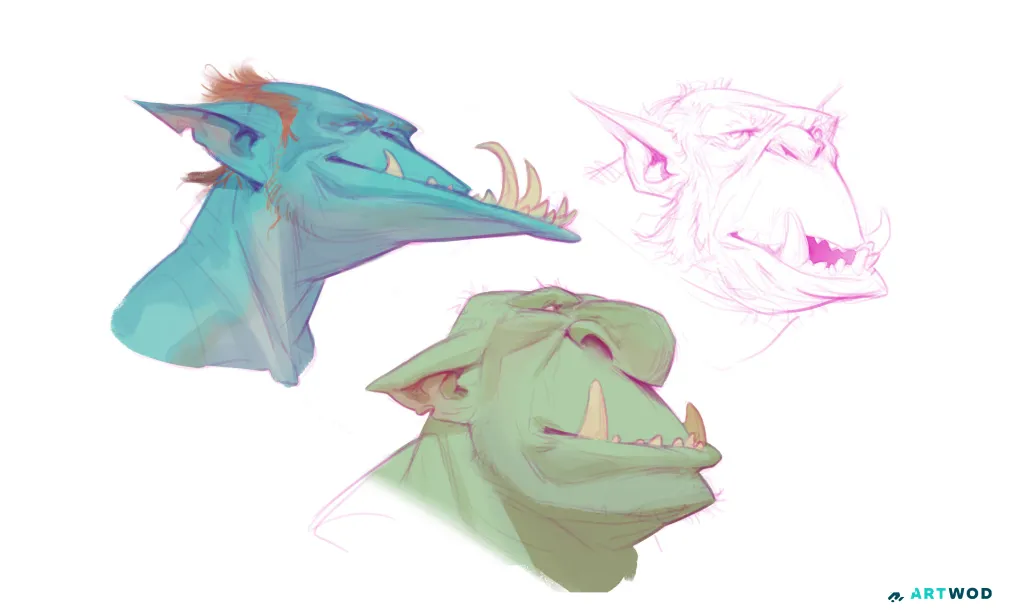
Ogre portraits by Axel Van Nederkassel, 3 portraits, 2 in color 1 in lineart only. Pink lineart, blue and green ogres.
Finding your art style is not a moment - it's a process. It happens through experimenting with different mediums, working within constraints, studying artists you admire, embracing happy accidents, making small deliberate changes over time, and above all - drawing the subjects that genuinely excite you. There's no shortcut, but there is a direction. Keep drawing, keep paying attention, and your style will find you.
Related Posts