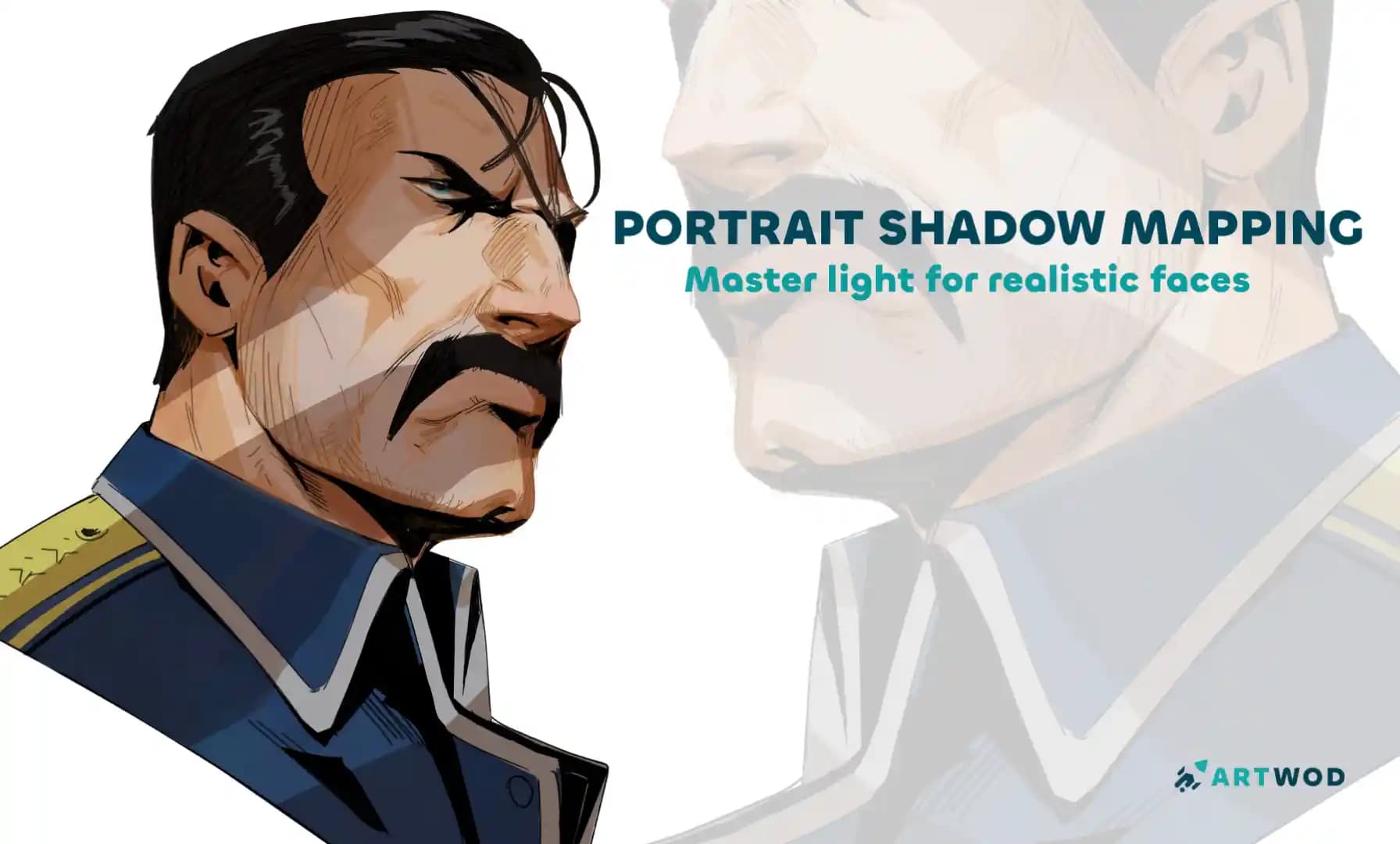
Portrait Shadow Mapping: Master Lighting and Shadows for Realistic Faces
Portrait Shadow Mapping: Techniques for Realistic Faces
Step 1: Shadow mapping Loomis heads
Start by adding a shadow map to three provided Loomis heads. Each head comes with an indicated light source - follow it carefully.
Begin by drawing the shadow as one clear value with hard edges. Focus on creating a readable shadow shape that describes the major forms of the head. Once the structure feels correct, soften edges only where the form turns gradually away from the light.
The goal here is not realism, but logic. Every shadow should make sense in relation to the light source.
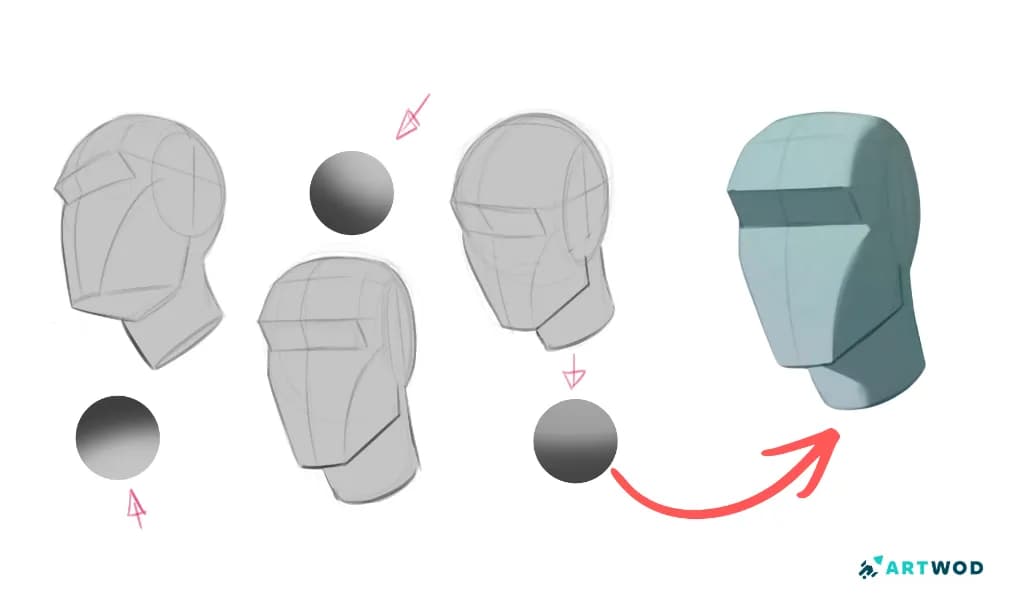
Step 1:Portrait Shadow Mapping: Master Lighting and Shadows for Realistic Faces
Step 2: Shadow mapping Asaro heads
Next, add a shadow map to three provided Asaro heads using the indicated light source.
The Asaro head breaks the face into planes, making it perfect for studying light and shadow. Pay attention to where planes face the light and where they turn away. Keep the shadow shapes simple and intentional, and resist the urge to over-blend.
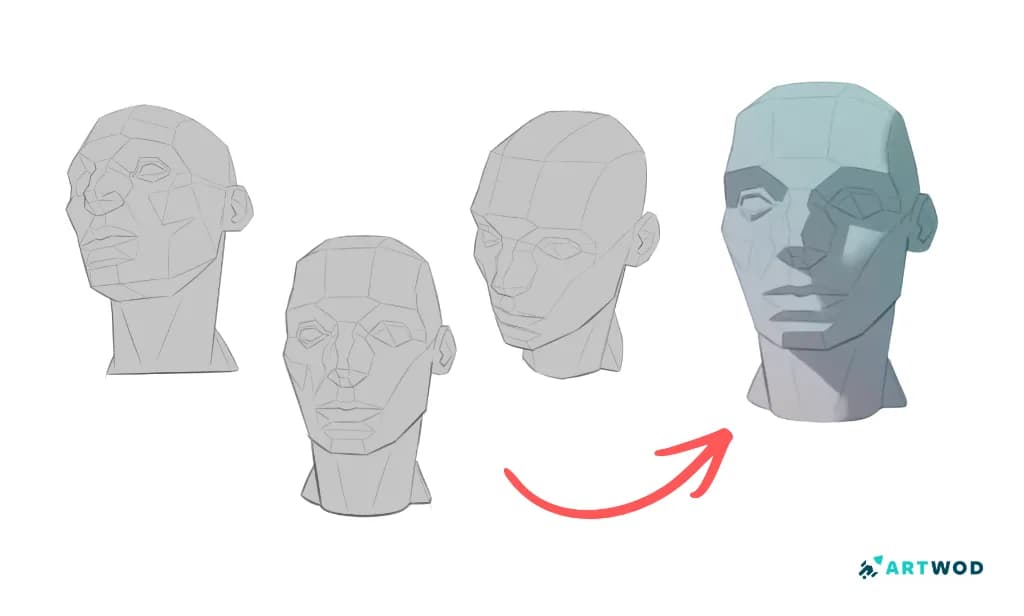
Step 2:Portrait Shadow Mapping: Master Lighting and Shadows for Realistic Faces
Step 3: Study a portrait painting
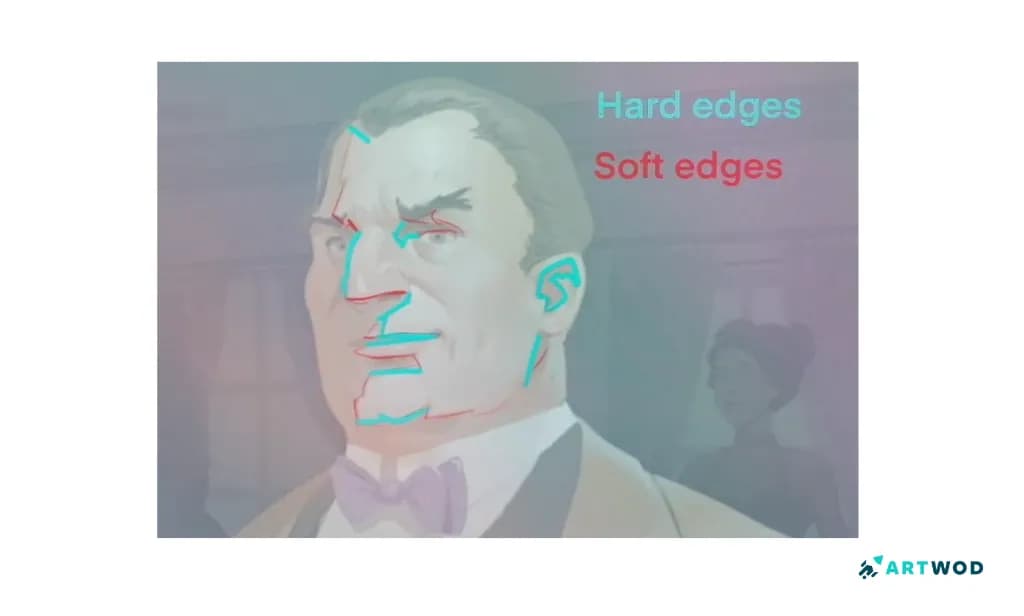
Choose a portrait painting you like and trace its shadow map. Ignore details, colors, and textures. Focus only on the shadow shapes created by the light.
As you trace, clearly indicate which edges are hard and which are soft. Ask yourself why certain edges are sharp while others transition smoothly. This analysis trains your eye to recognize artistic decisions instead of copying surface-level details.
Step 3:Portrait Shadow Mapping: Master Lighting and Shadows for Realistic Faces
Step 4: Apply different light sources
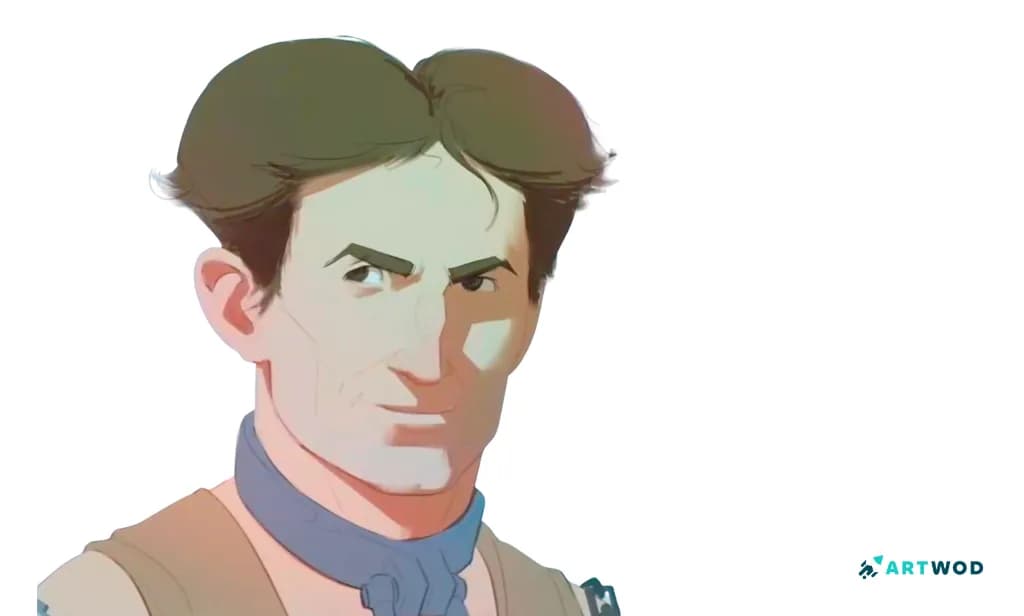
Pick one of the provided portraits and add a shadow map twice, each time using a different light source.

Templates:Portrait Shadow Mapping: Master Lighting and Shadows for Realistic Faces
Step 4:Portrait Shadow Mapping: Master Lighting and Shadows for Realistic Faces
Shadow mapping is a foundational skill for portrait artists. It builds confidence in lighting, improves structure, and makes rendering easier and more intentional. When you understand shadows, you stop guessing and start designing your portraits.
Take your time with this exercise and repeat it often. Progress comes from clarity and repetition, not rushing to details.
If you try this study, share your results with us on Instagram and Discord - we love seeing artists explore light and improve their portraits.
Related Posts