How to Study Art Effectively: A Step-by-Step Guide for Artists
How to Study Art Effectively
Most artists confuse drawing with studying. Drawing is producing - making work for your portfolio, for fun, for clients. Studying is learning - specifically practicing the things you can't do yet. They feel similar, but they produce completely different results.
This is why so many artists draw constantly and still don't improve. They're drawing, not studying. Here's a step-by-step guide to how to study art effectively, and how to actually move your skill forward.
Have a clear goal before you start
Vague "I want to get better at art" sessions don't help. Effective study sessions start with a specific weakness. "I'm going to work on hand construction" is a study. "I'm going to draw something cool" is not. Without a target, your brain defaults to whatever's comfortable, which is exactly what you already know how to do.
So before you sit down, decide what you're trying to learn. One thing. Specific. Then stay on it long enough for it to actually sink in (let's say a week or so, dedicated to one subject only) - not 10 minutes and onto the next subject.
Study from the right sources
Not all references are equal, and most artists default to photo reference for everything. But different sources teach different skills:
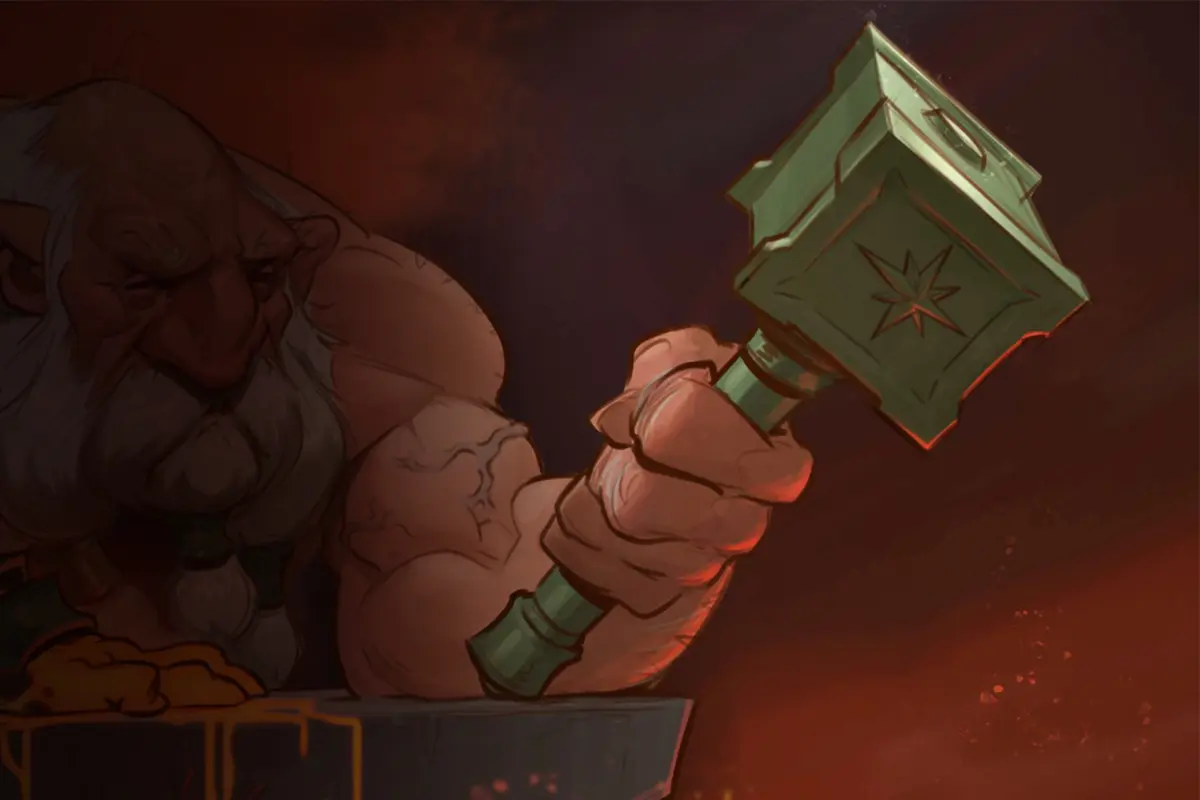
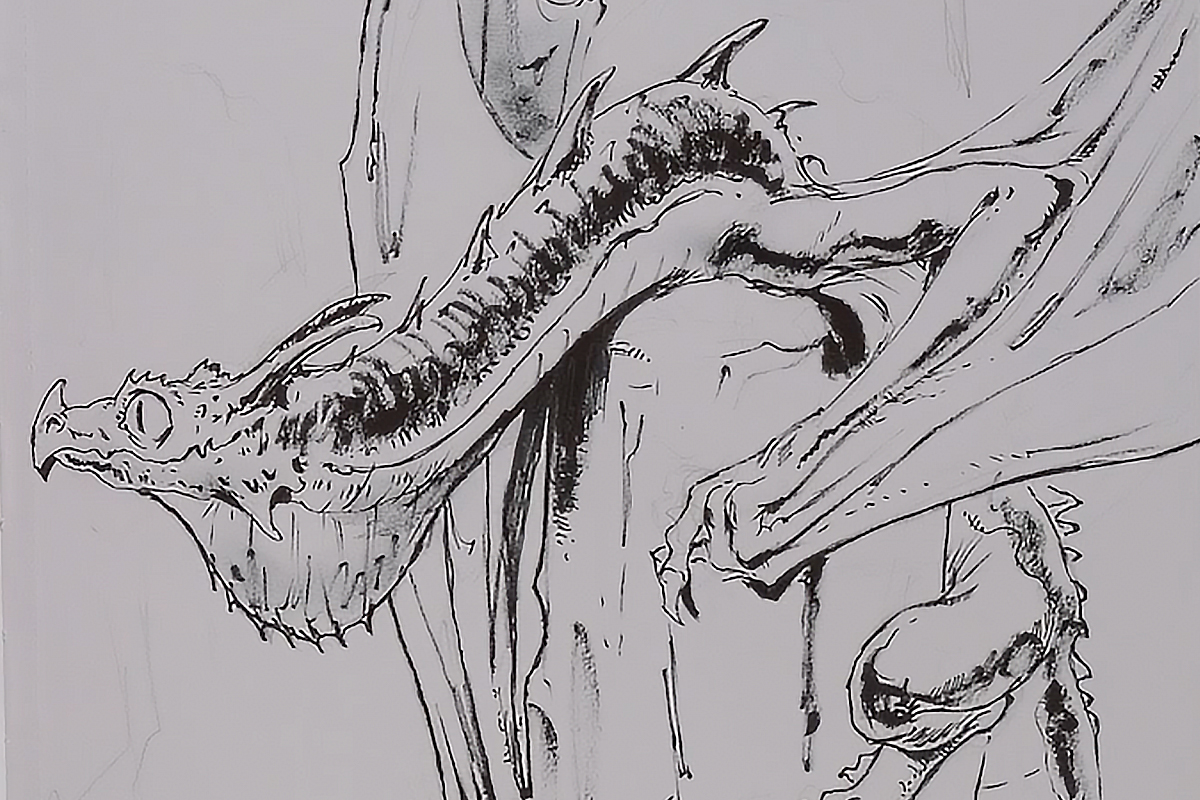
Photos teach you observation - reading values, proportions, edges. Master studies teach you decision-making - what to keep, what to leave out, what to push. Live drawing teaches you speed and gesture - how to capture the essence of something before overthinking ruins it.
If you only ever study from photos, you're getting one slice of the skill set. Mix your sources deliberately.
Break things down before you redraw them
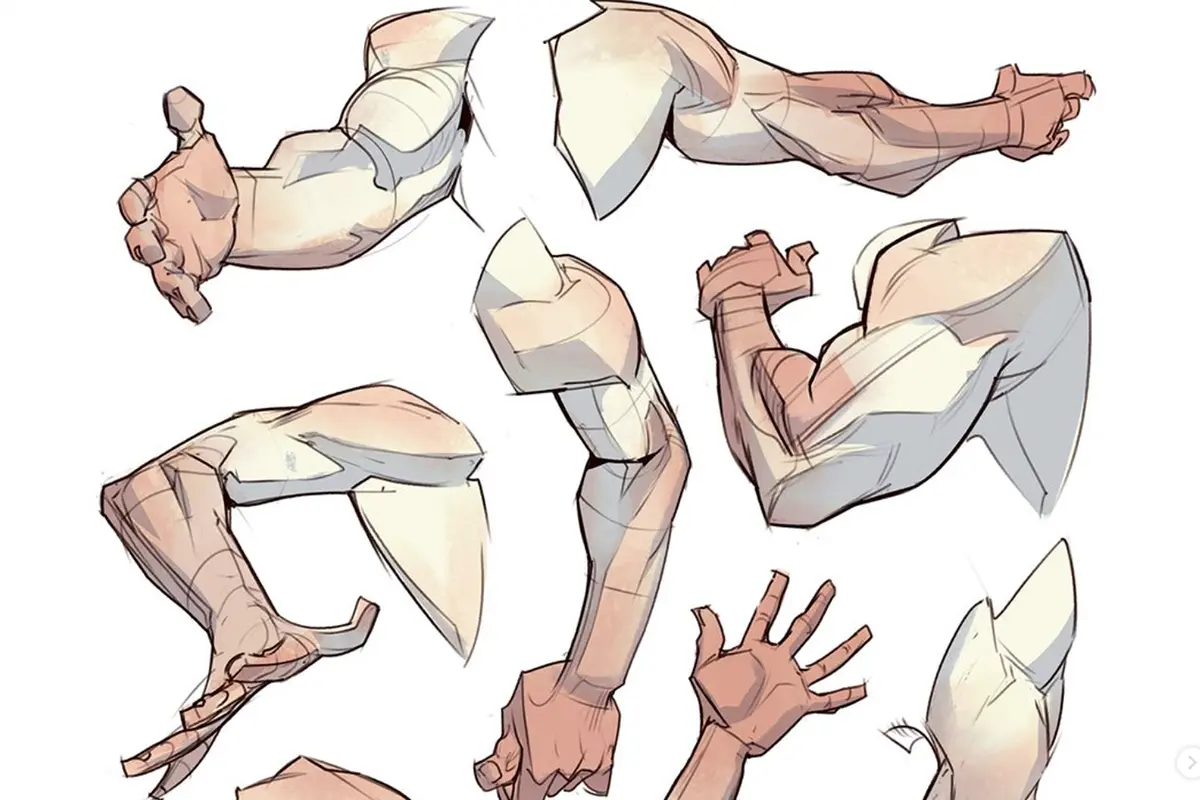
Copying a reference doesn't teach you anything if you don't understand why it works. Before you redraw something, analyze it. What's the construction underneath? What are the simple forms within the subject?
The analysis is the actual study. The drawing is just confirming what you learned. If you skip the analysis and go straight to copying, you'll produce a decent-looking drawing and learn almost nothing - which is why so many artists do study after study and don't see any real change in their work. So before you start, deconstruct the form. Break the subject down into its basic shapes and underlying structure - the boxes, cylinders, and spheres that make it up. If you can see the construction clearly, rotating it in your head becomes possible. If you can't, that's your signal that the form isn't fully understood yet, and the new angle will expose exactly where the gaps are.
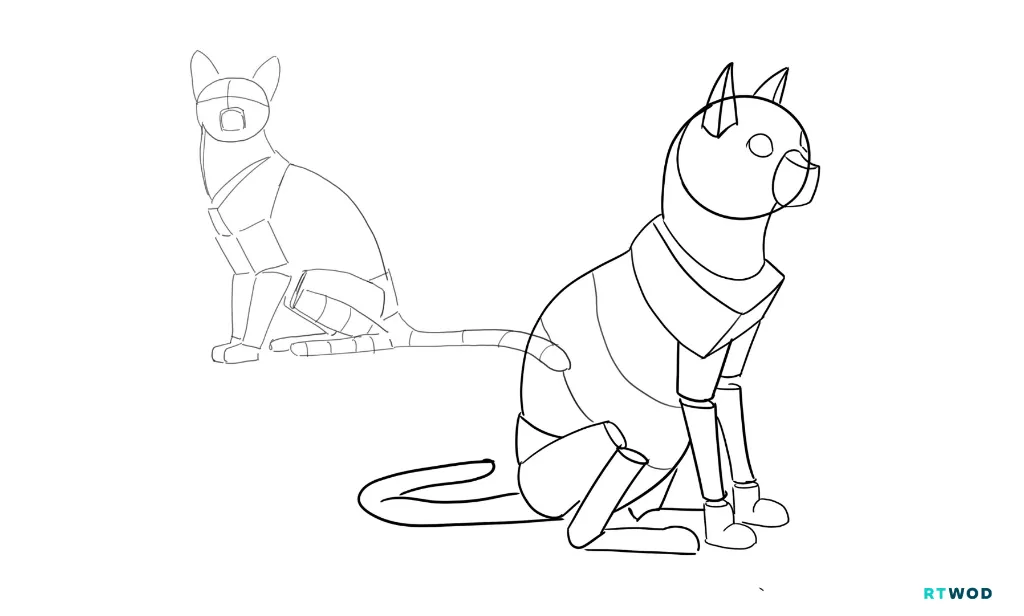
2D Drawing, deconstruction of a cat: cat broken down in simple shapes (the Artwod method)
Redraw from a different angle - the Artwod method
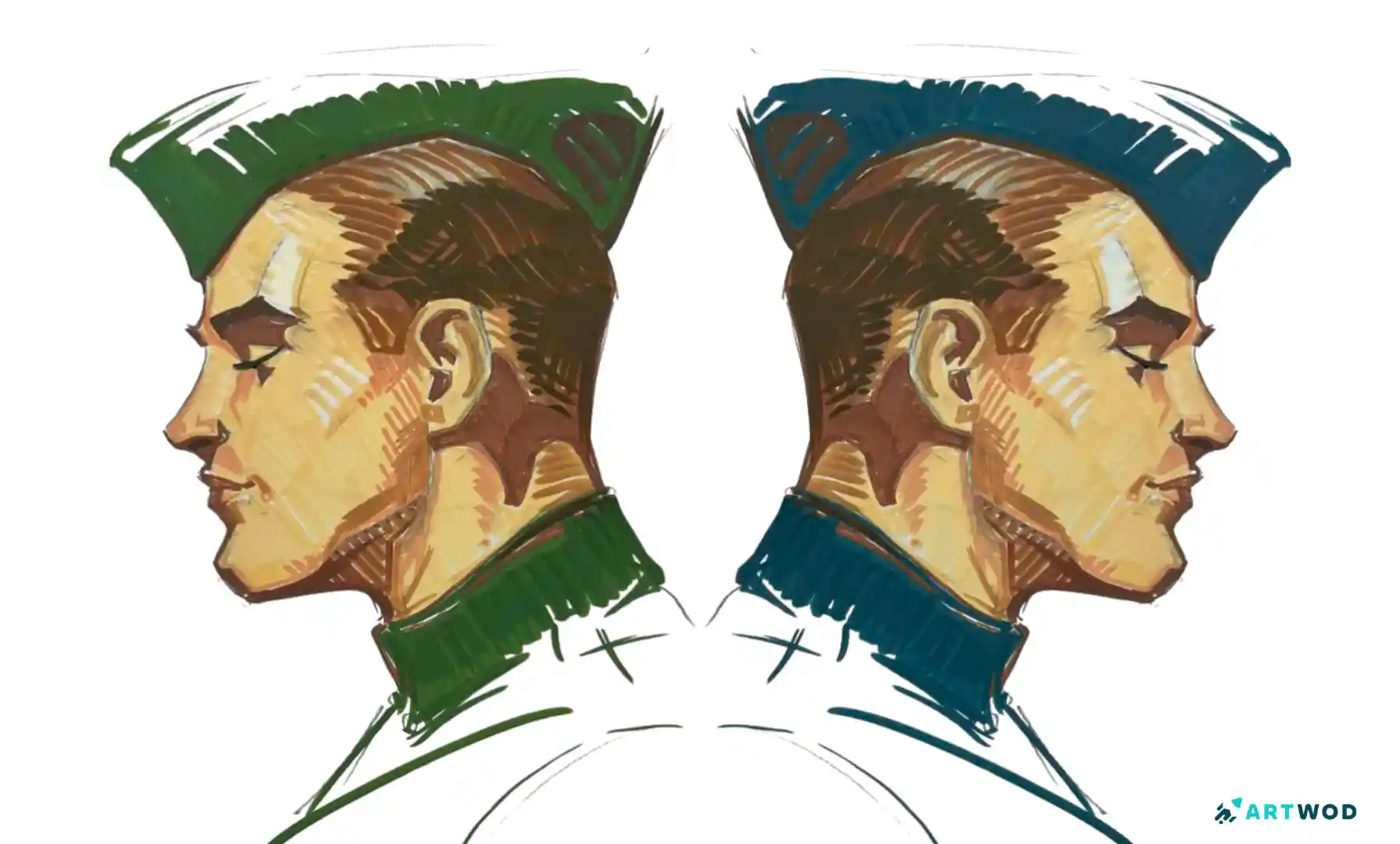
The real test of whether you learned something is whether you can apply it - not just copy it. Once you've done your initial study, try redrawing the same subject from a different angle. A 3/4 view if you studied a profile. A back view if you studied a front view.
This is the difference between copying and learning. Copying produces one drawing. Deconstructing and redrawing from another angle produces actual understanding - which compounds across everything you draw after. It's the method we teach at Artwod, and it's what separates artists who study from artists who just doodle with reference.
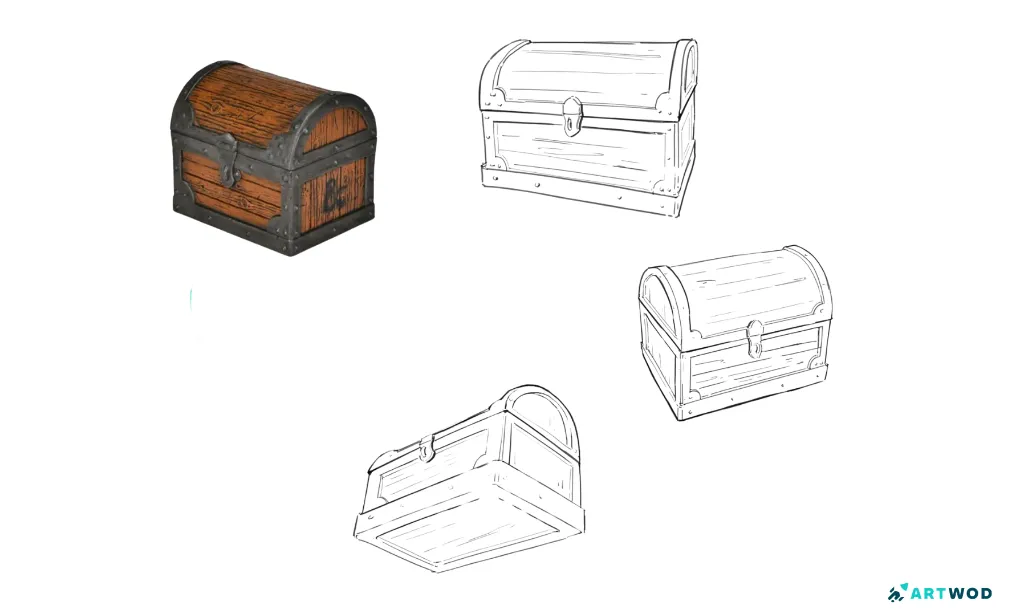
2d drawing, treasure chest redrawn from different angles (the Artwod method)
Studying is a different activity from drawing, and it's the one that actually moves your skill forward. Set specific goals. Choose the right sources. Analyze before you copy. Test yourself by redrawing from a different angle. Review what you've done.
Do that consistently and improvement stops feeling random. It starts feeling inevitable.