Quer guardar seu feedback?
Registre seus comentários em um só lugar na sua conta. Seu feedback será privado e não público.
Pintar
Pinte sobre notas
Escolha uma tinta
Escolha um avatar para ver suas anotações e discuti-las.
Também ajuda com sua arte?
Melhore seus fundamentos, a 3 min
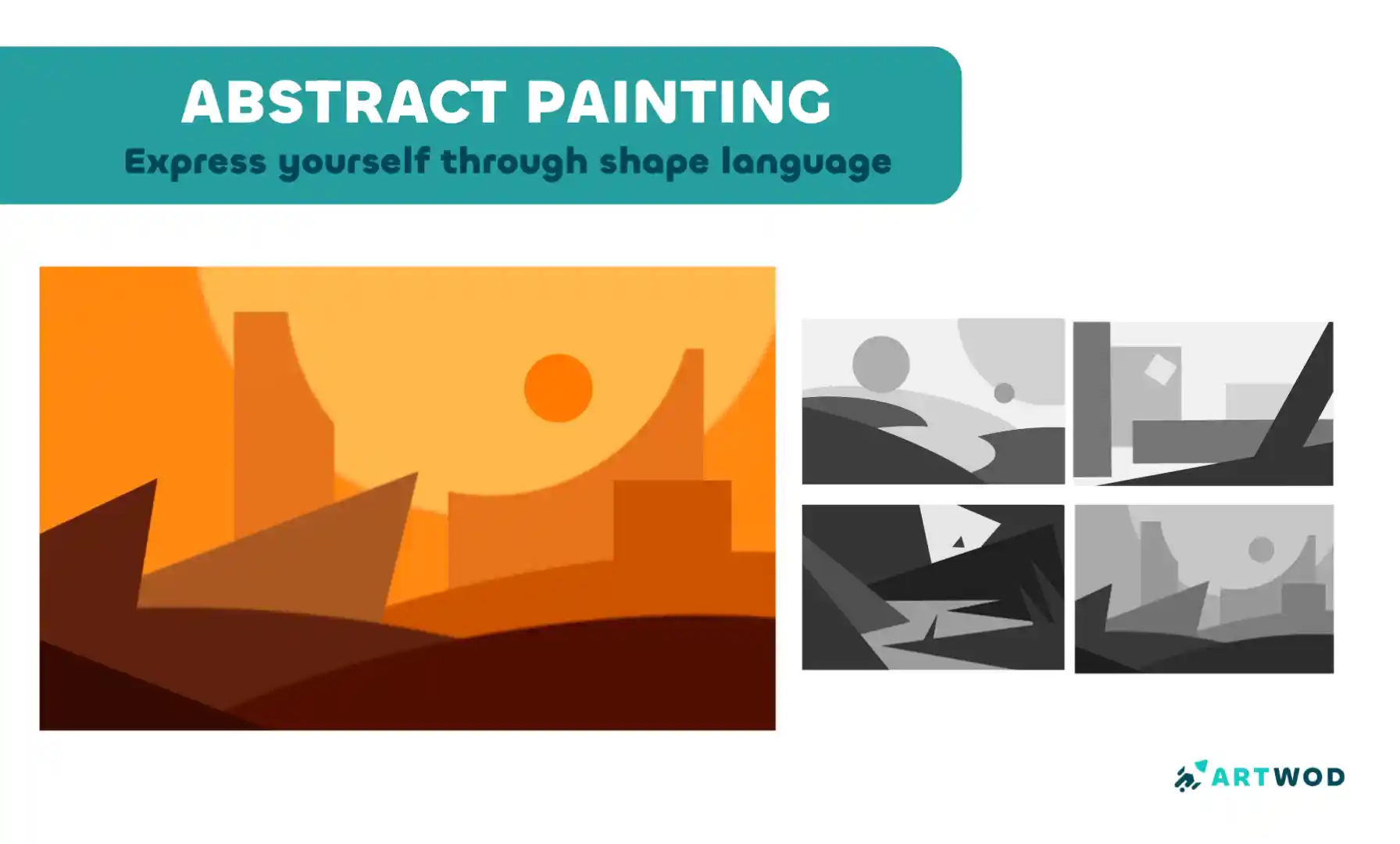
Abstract Painting Techniques: Unlocking Creativity with Color and Form
Master shape language and value composition through a six-step exercise combining rectangles, triangles, and circles to build stronger design instincts.
Environment
Quer ajudar alguém que ainda está esperando?
Animals
Ainda sem resposta
Ente
Der schatten und die textur ist mein grlßtes problem glaube ich
Há 24 minutos
Ver
Figure
Ainda sem resposta
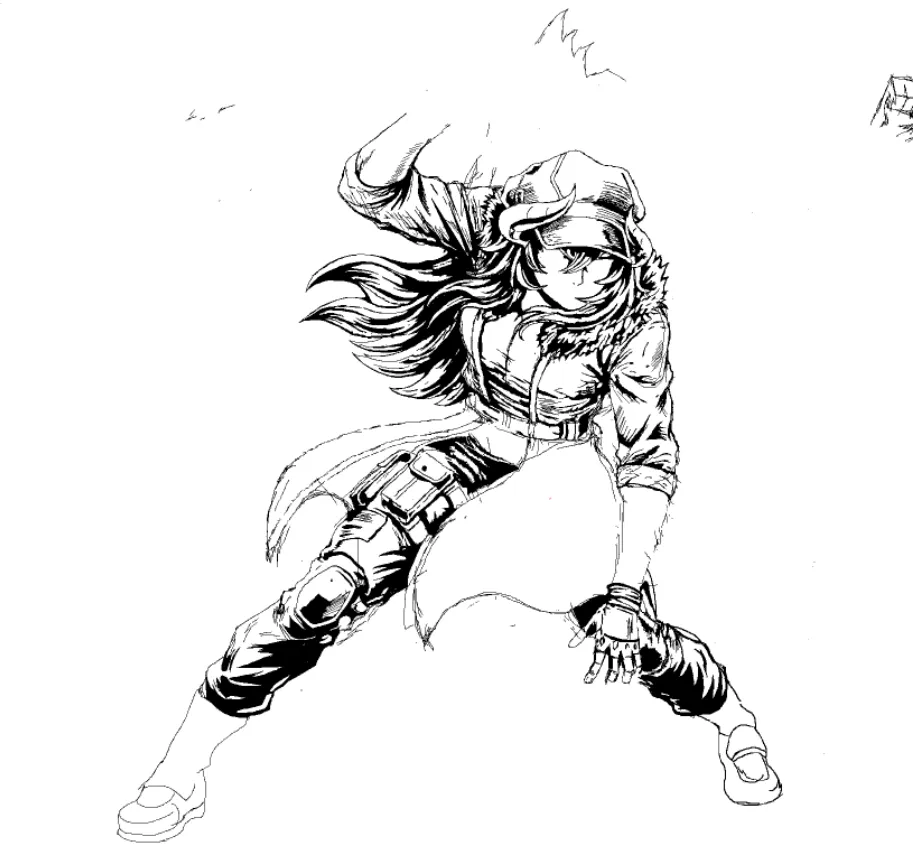
Uhm
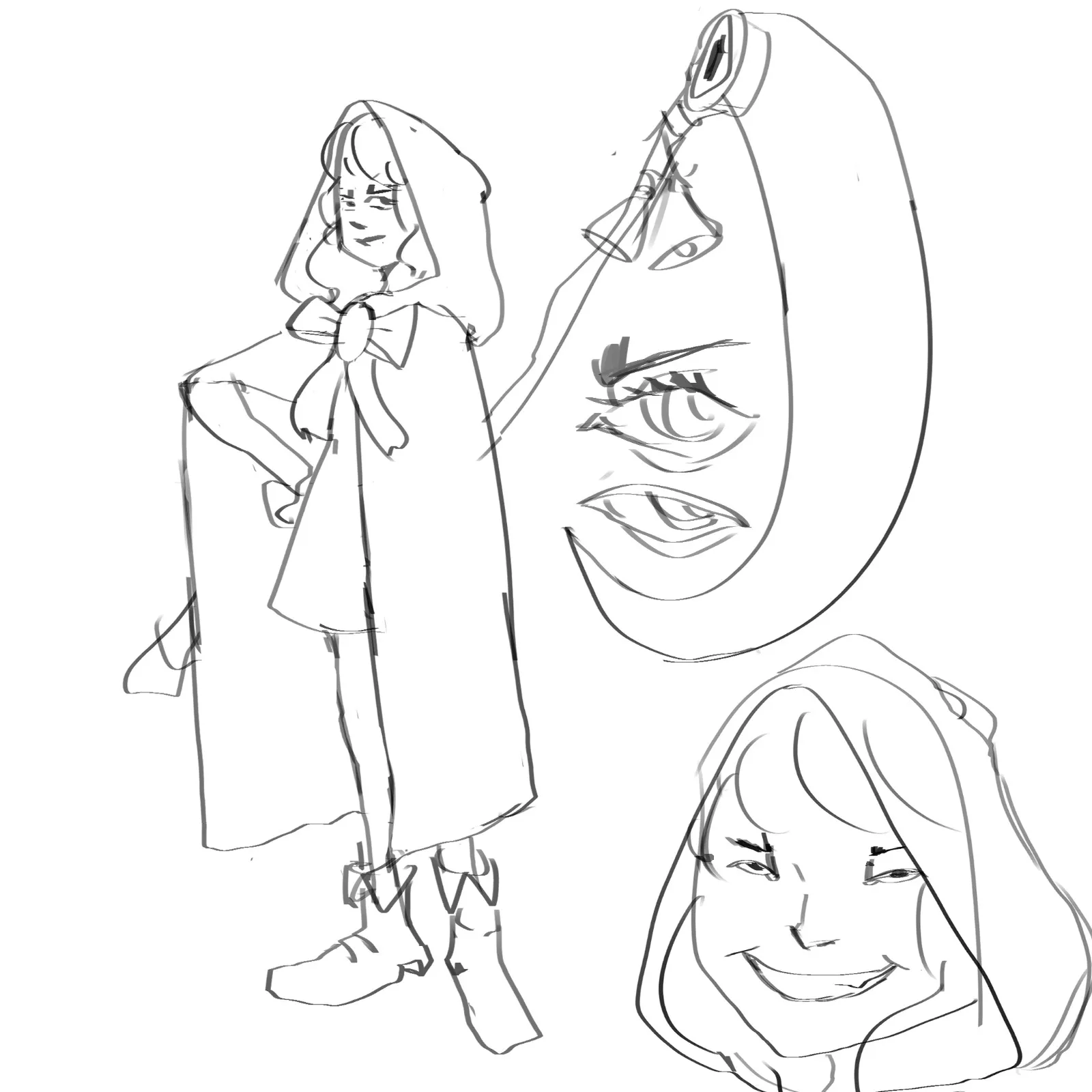
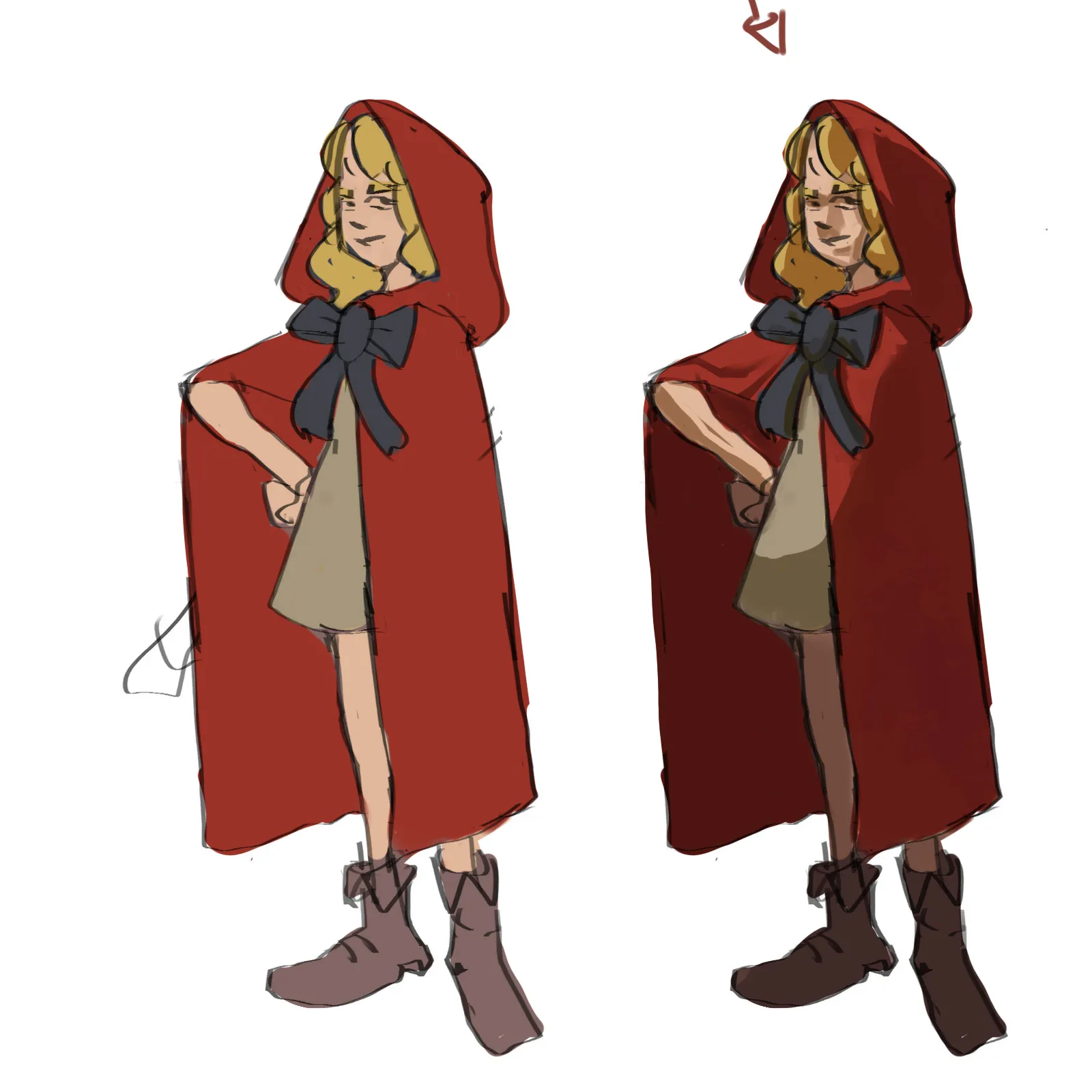
Idk why but the coat feels wrong i cant fix it Pls help
Há 40 minutos
Ver
Perspective and Form
Ainda sem resposta
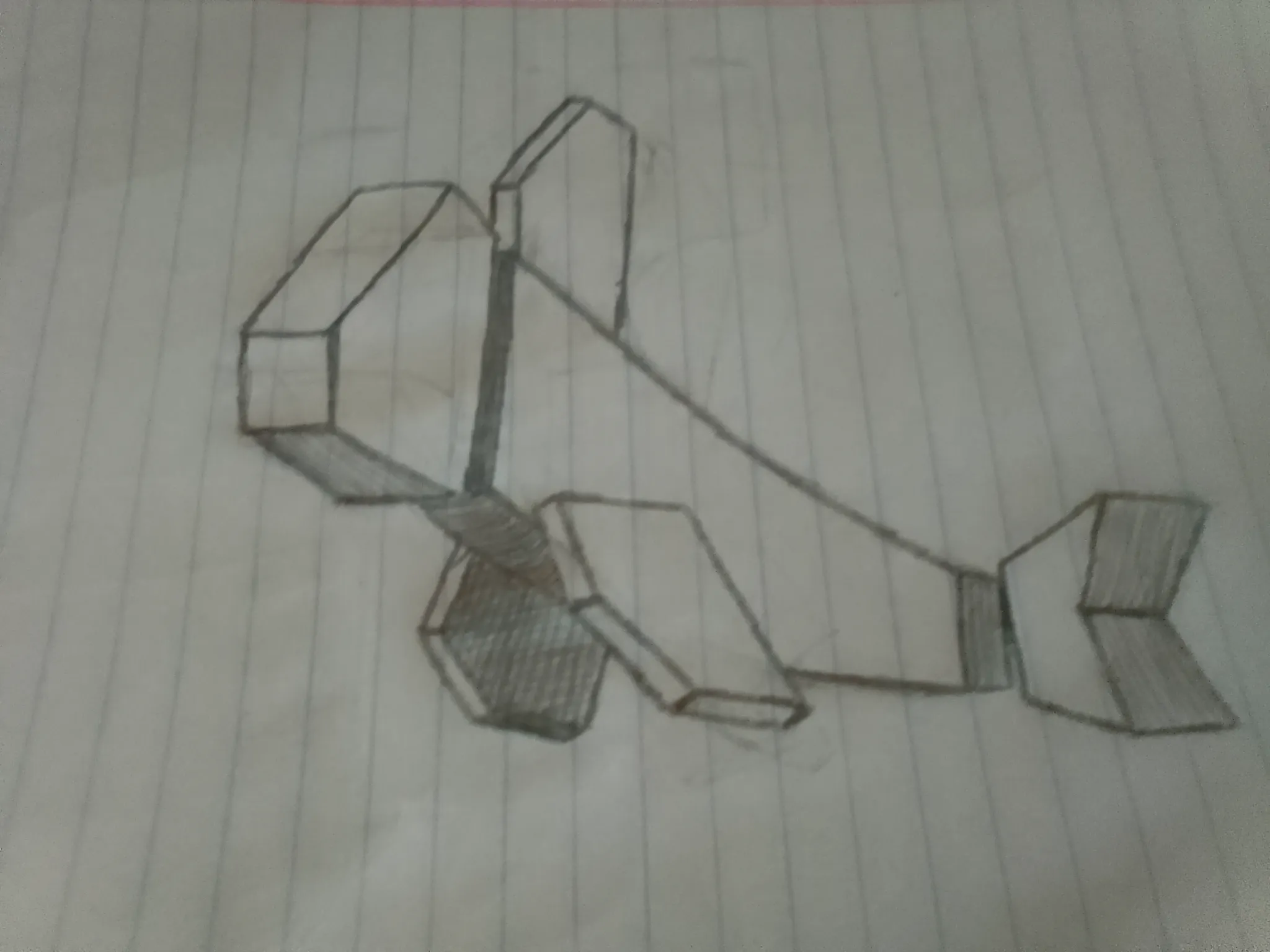
Any tips I can improve (3)
Final drawing I did, where I kinda, but not really, drew a fish. Just messing around with the shapes to see what I come up with in the end. Feel free to share your thoughts
1 há 1 hora
Ver
Perspective and Form
Ainda sem resposta
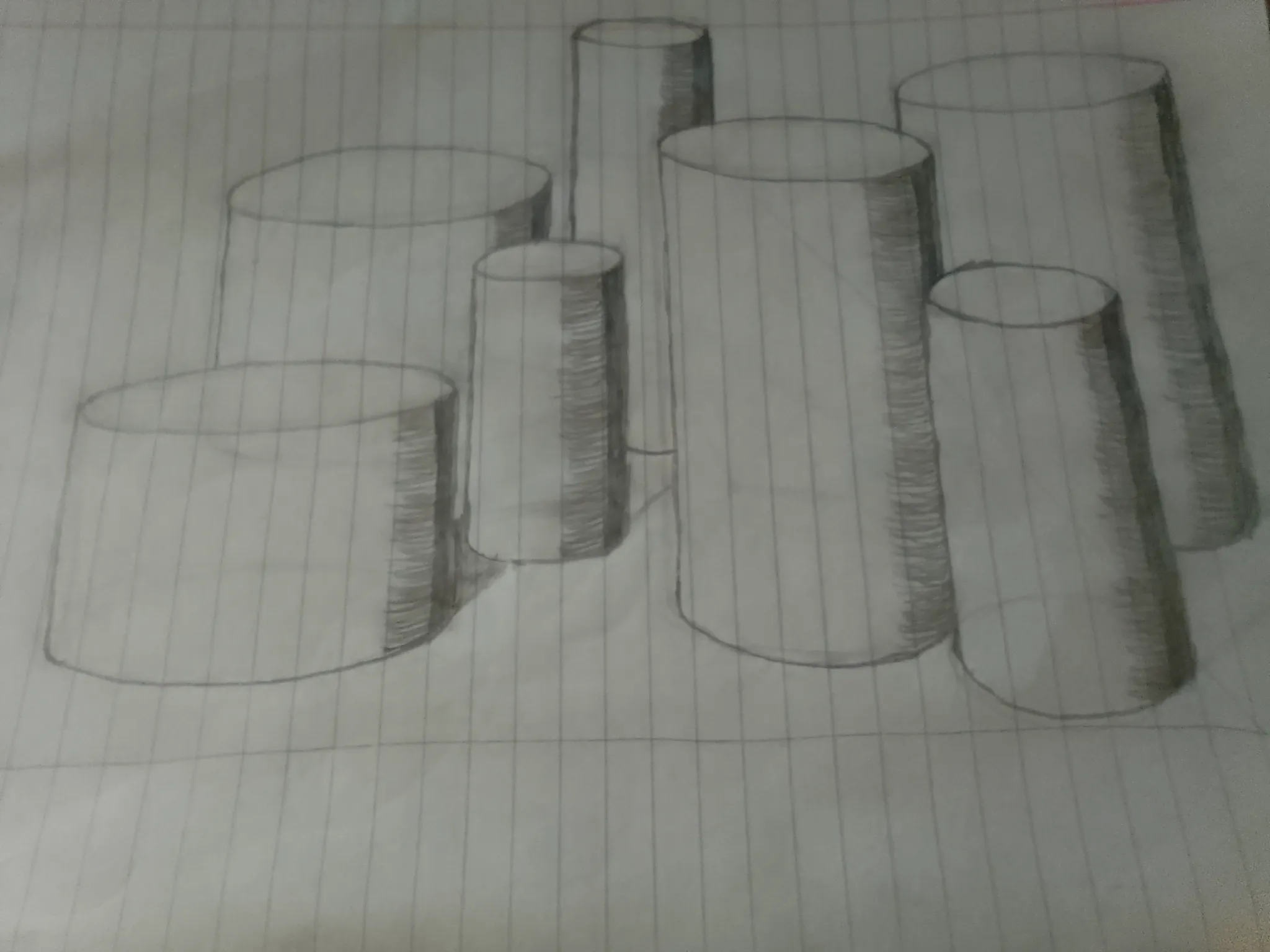
Any tips I can improve (2)
Another drawing I did, which I'm focusing on drawing better cylinders. Any thoughts on what I should improve? Shading as well
1 há 1 hora
Ver
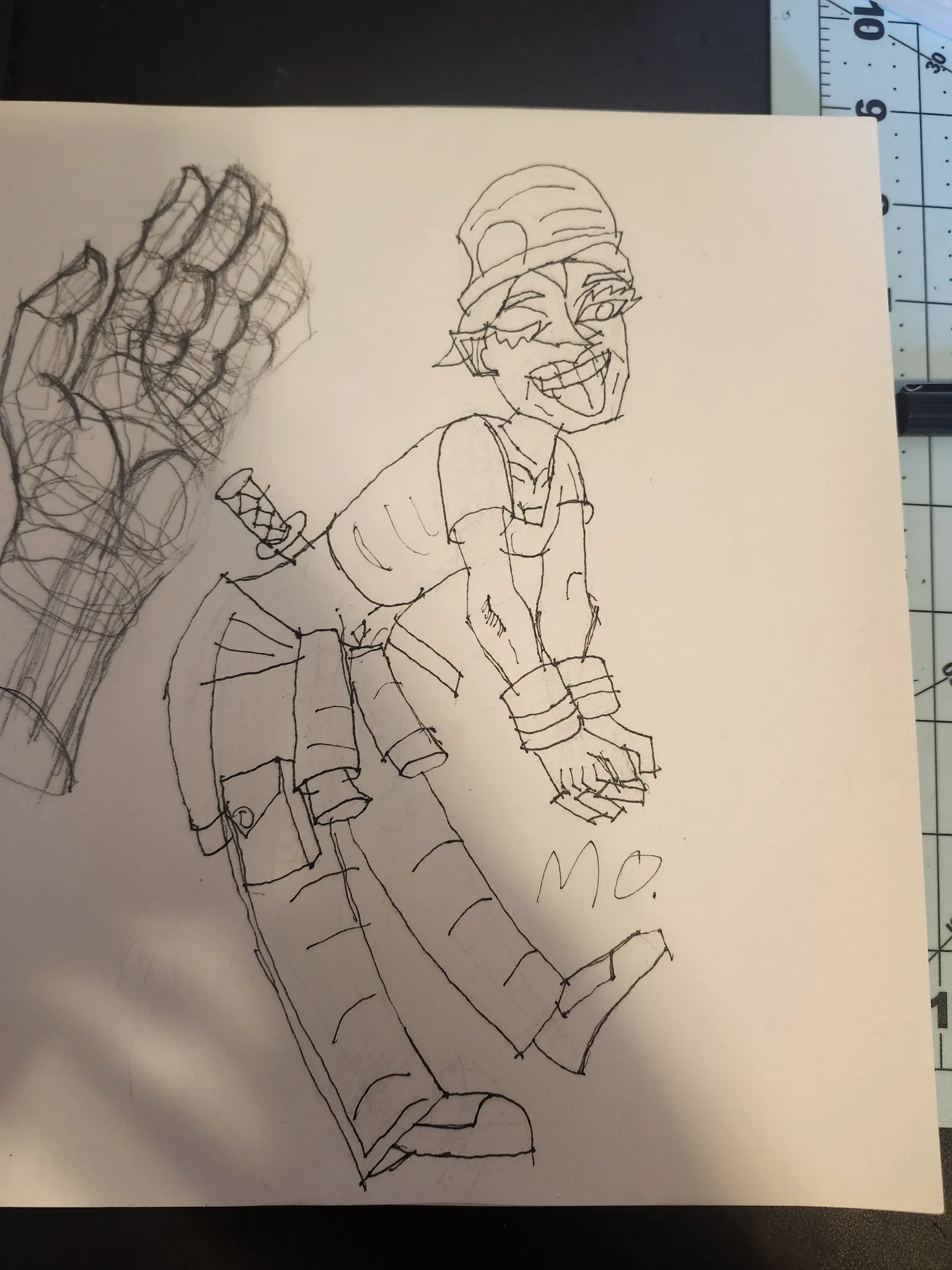
Anatomy
Ainda sem resposta
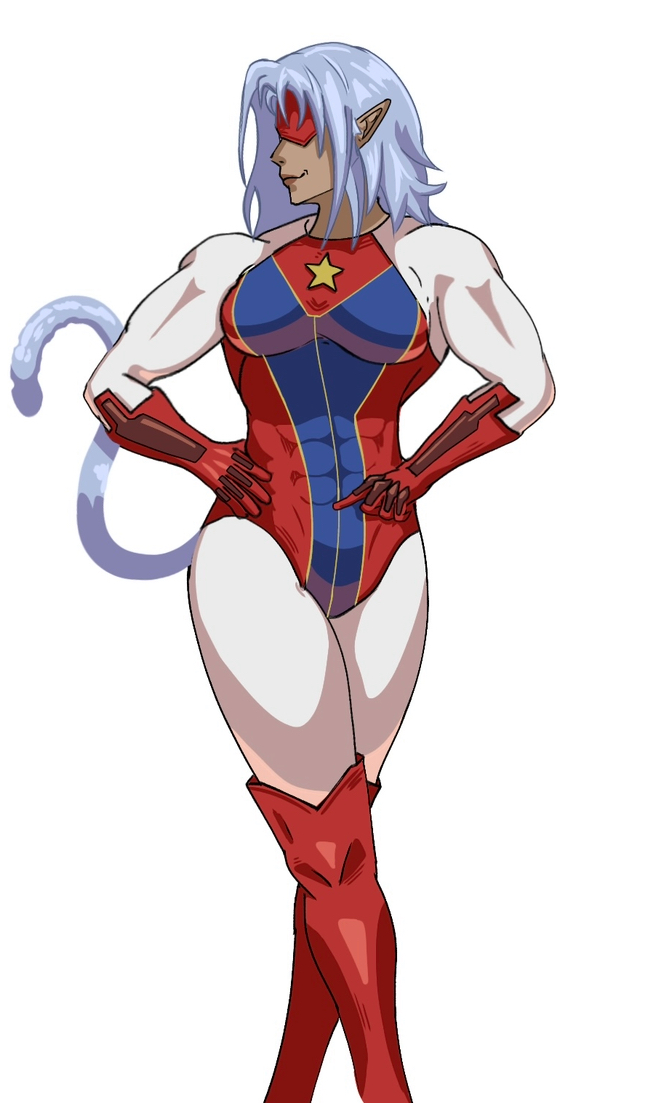
Character of mine for a story
i really have no idea what i was doing with the body and head on the pose, something is up with it and i don’t exactly know. maybe the head is the issue? or the arms i don’t know please could i have some help!
1 há 1 hora
Ver
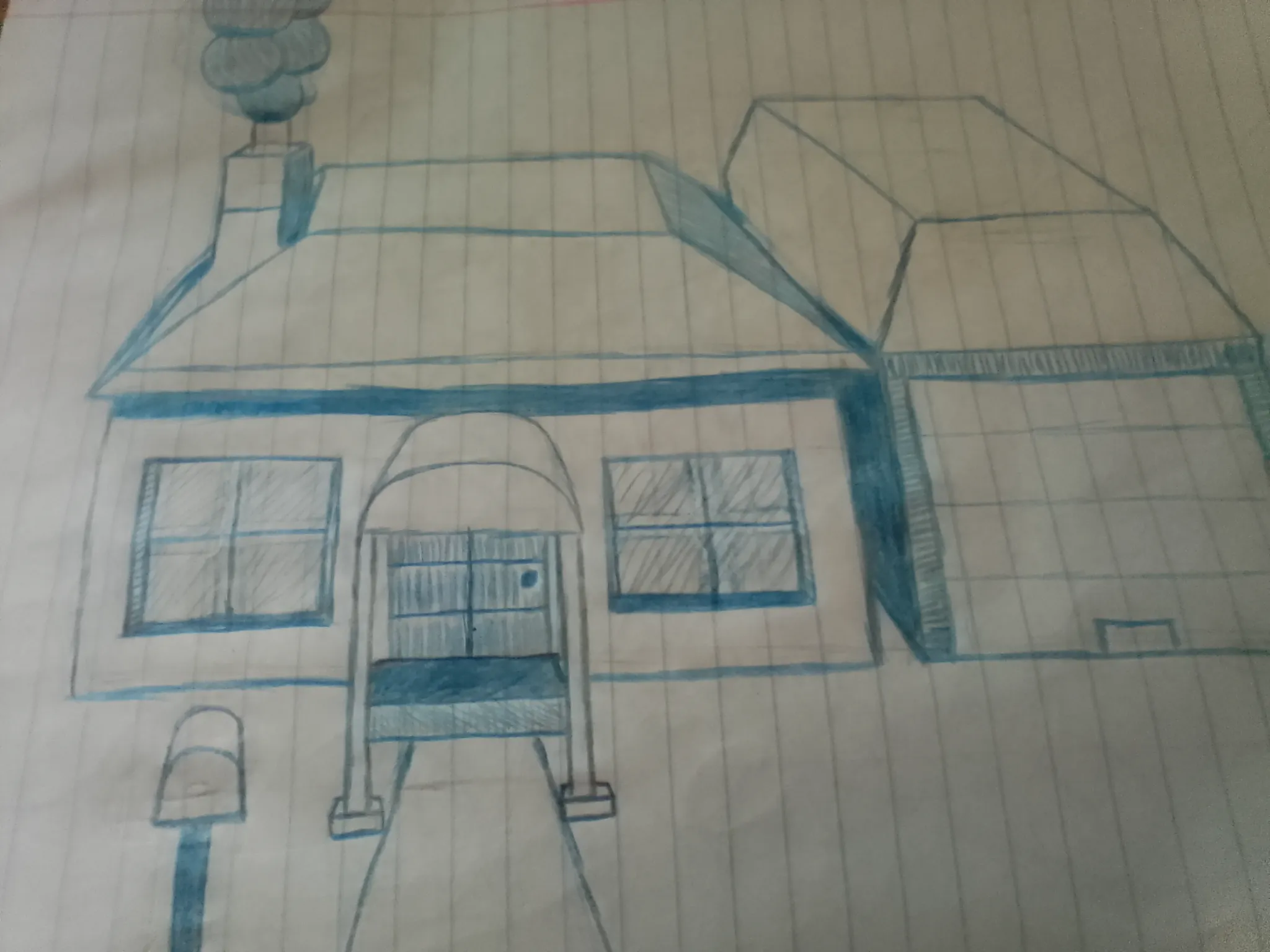
Perspective and Form
Ainda sem resposta
Any tips I can improve (1)
I did a pretty good job drawing a house, but I know there are some mistakes I made, but I can't put my finger on it. Sorry for the poor angle as well
1 há 1 hora
Ver
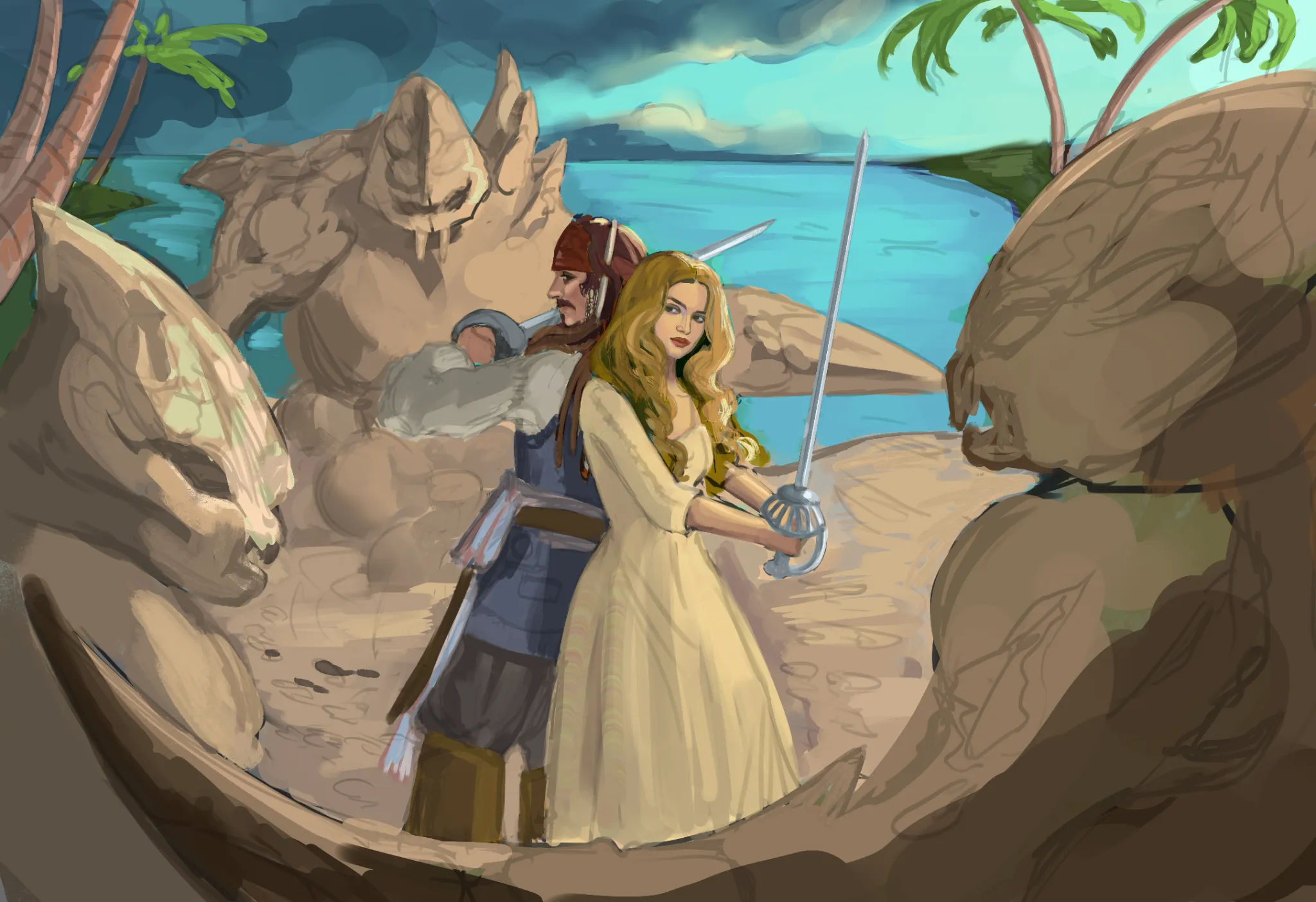
Rendering
Ainda sem resposta
Jack and Elizabeth
I havent finished this piece yet, due to some personal projects in between. I dont know how to render sand to be honest. But also the general perspective, colours and some forms I dont know how to tackle them! It feels like a puzzle/battle every time when I try to paint something and create my own composition! With Elizabeth's dress I ran to the issue of the colour that matches the sand. The sane beats dont look like sand beasts (although they are the same like in the game potc)
1 há 1 hora
Ver
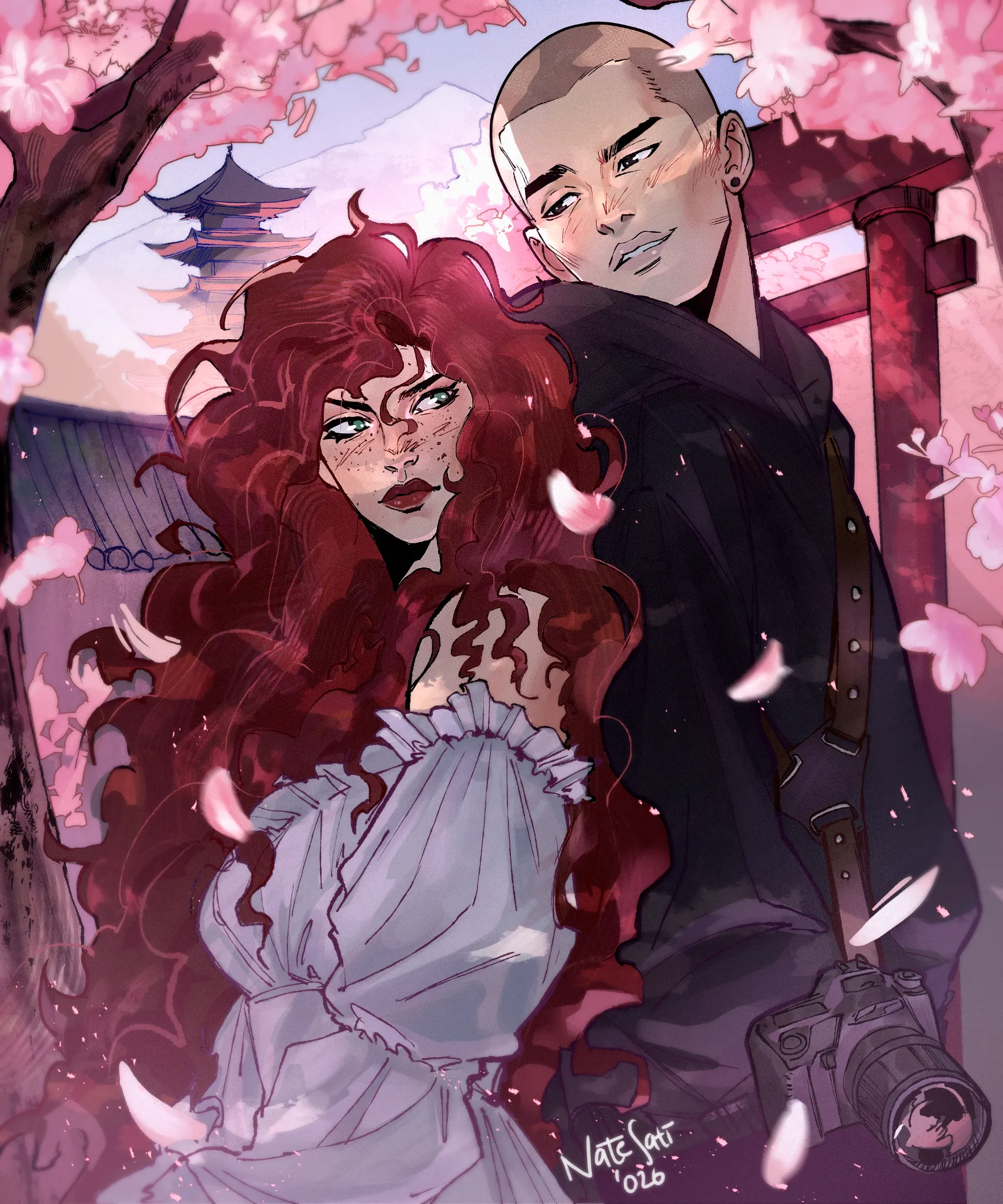
Portraits
Ainda sem resposta
commission art
Hi, I'm Nate. I'm looking to see how I can improve this drawing. It was done for a commission, and I'm happy with everything. so far
há 3
Ver
Anatomy
Ainda sem resposta
A reference on Pinterest
I don't know I feel like the problem I'm recently having is that a lot of my artwork looks flat but I am trying to study making my art not look flat and questioning whether or not I should be learning more Anatomy even though I don't really think it matters to me I don't really know what to do
há 5
Ver