Want to store your feedback?
Sign up to store all your feedback in one place on your account. Your feedback will be private instead of public.
Paintovers
Paintover Notes
Choose a paintover
Pick a user avatar to see their paintover notes and discuss them.
Also struggling with rendering?
Improve your shading and light control, a 3 min read
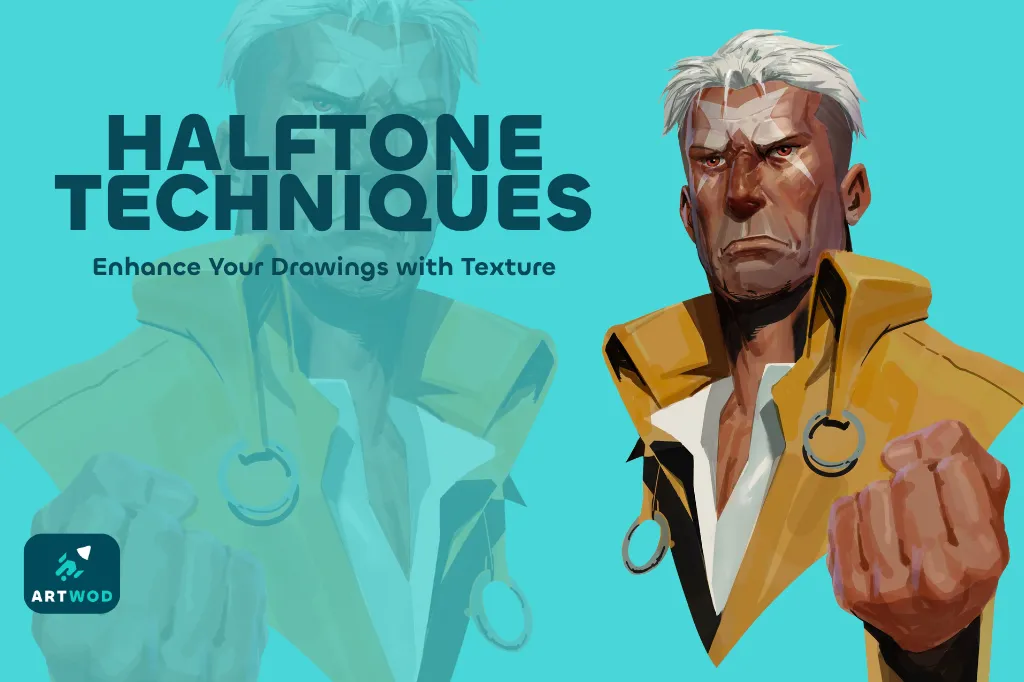
Halftone Techniques: Adding Texture and Depth to Your Artwork
Master halftones by establishing shapes, volumes, and shadows first, then practicing on beans, noses, portraits, and posters to add texture and depth to your artwork.
Rendering
Would you like to help someone who's still waiting?
Portraits
No responses yet
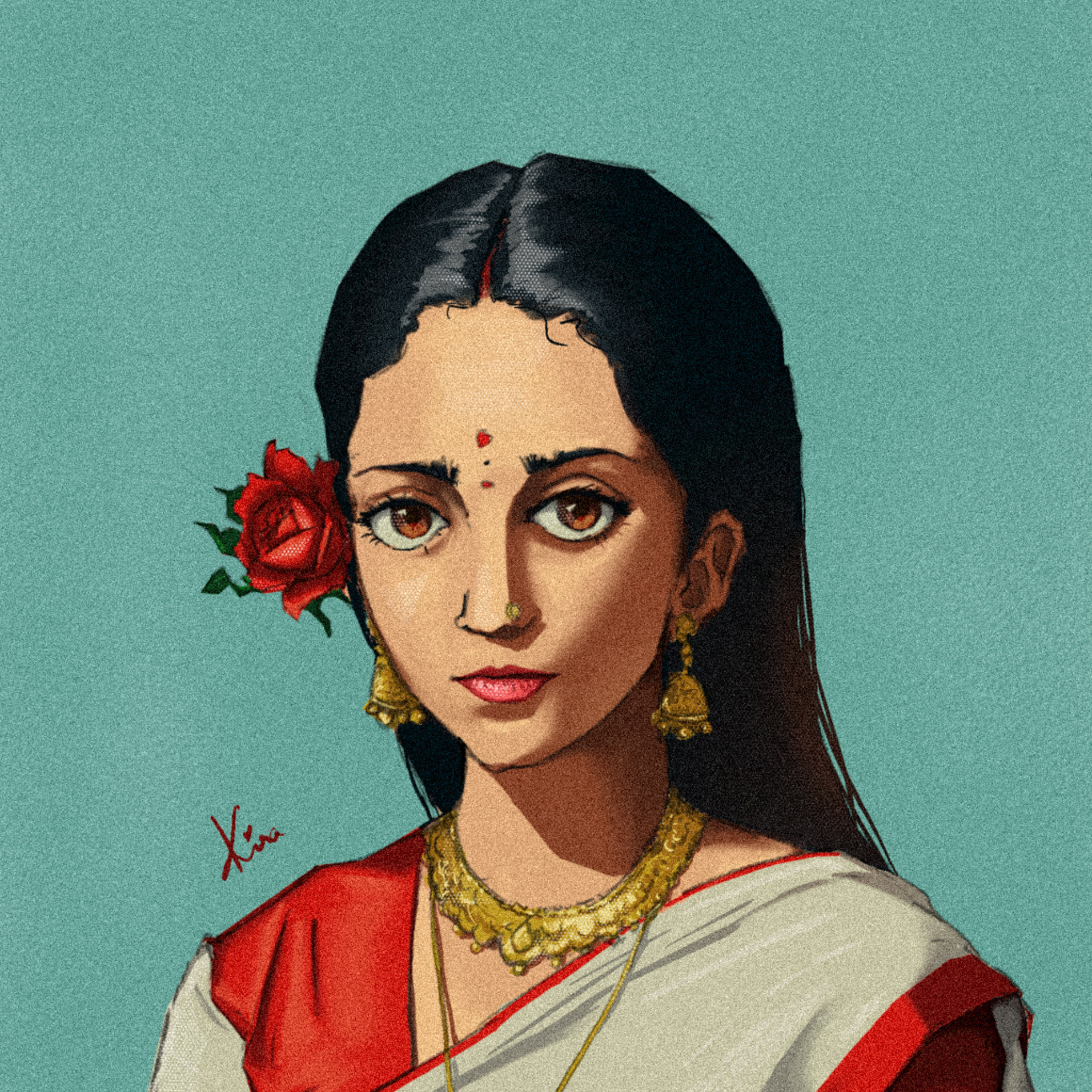
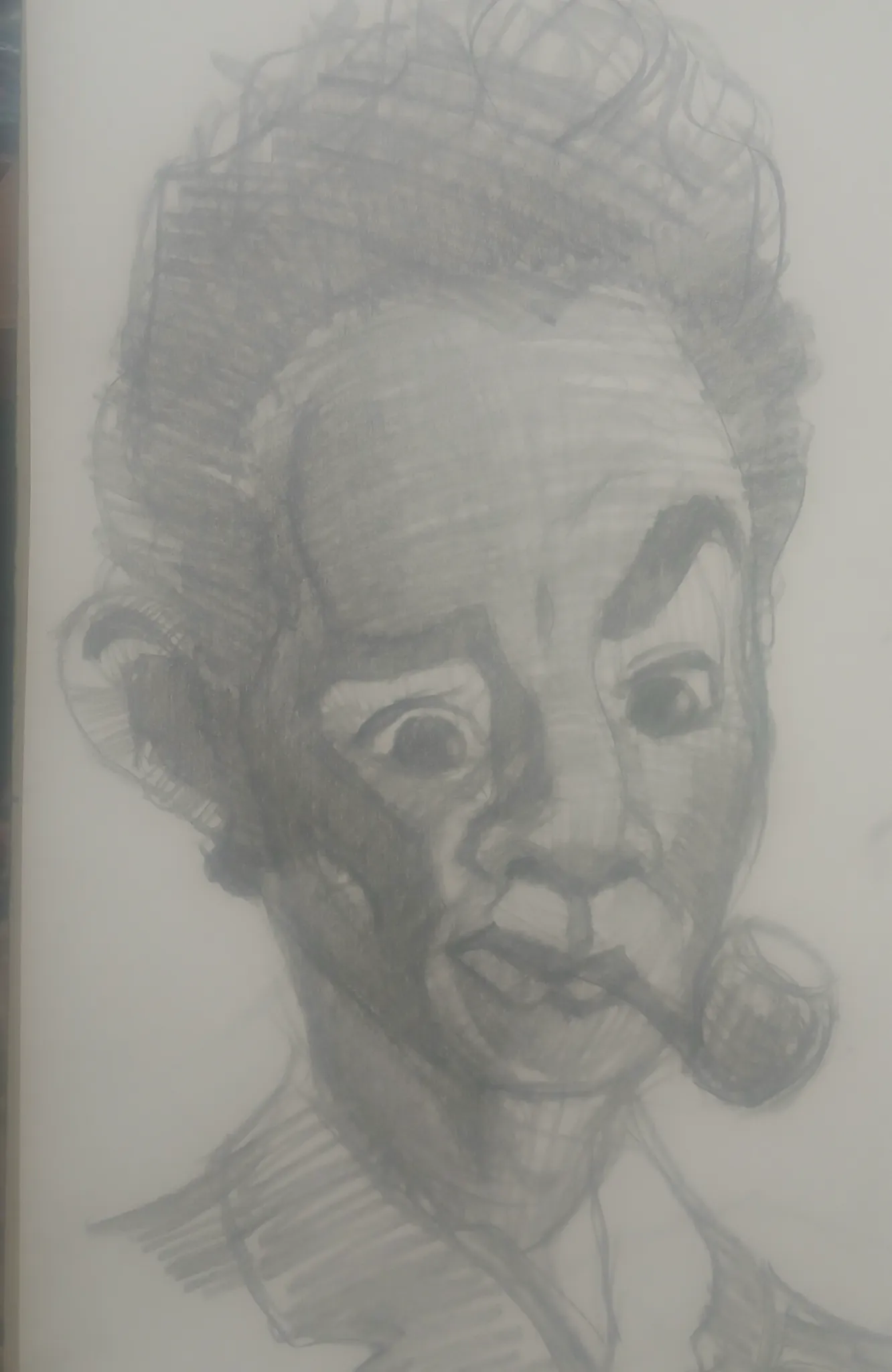
Portrait of a lady with a rose ?
I think there is something wrong with the face proportion and rendering …also cloth anatomy and hair
32 minutes ago
View
Perspective and Form
No responses yet
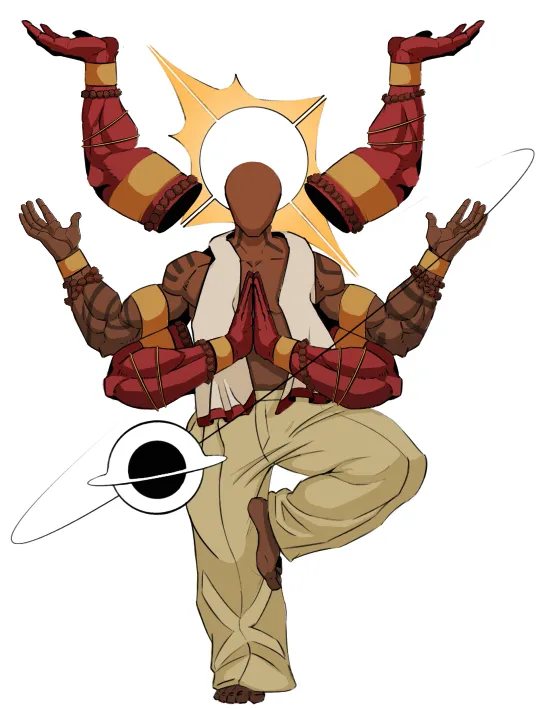
my character design. trying to build my own character in different cultures
is the pose and correct
1 hour ago
View
Portraits
No responses yet
Kazmo kramer
General
3 hours ago
View
Portraits
No responses yet
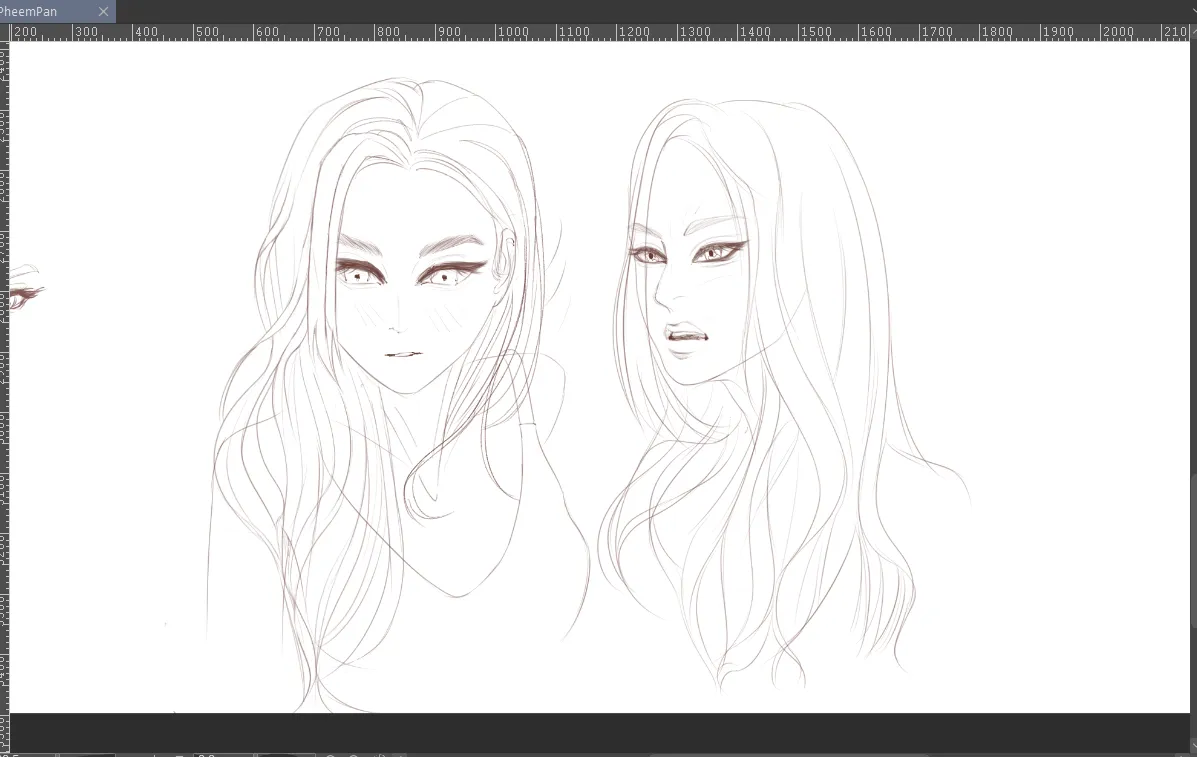
PheemPan
I'm really struggling with the features and the head. It felt like something is off here especially the 3/4th head.
5 hours ago
View
Figure
No responses yet
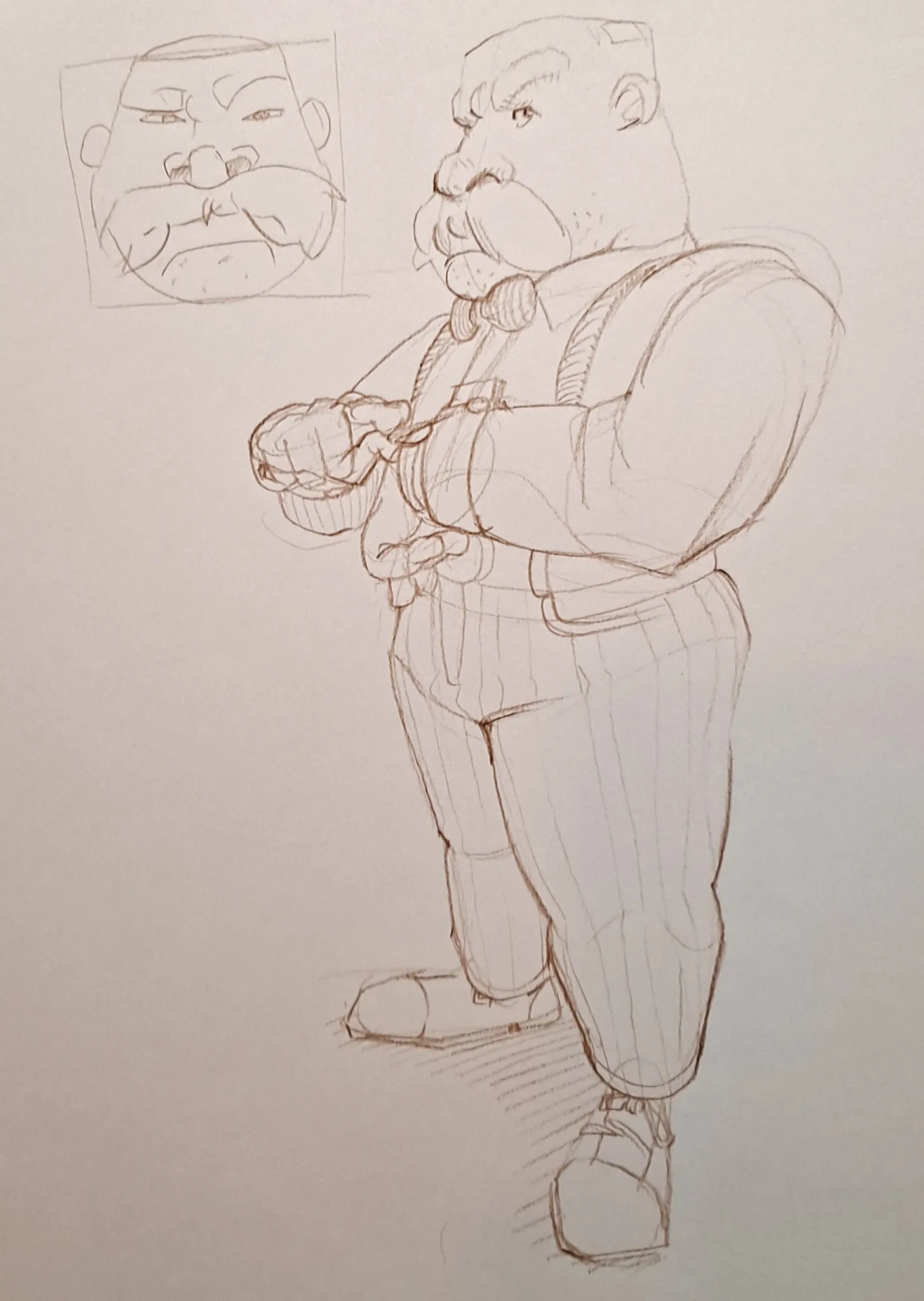
Fancy Dwarf Guy
This started out as a practice in unique head shapes and turning them in space, but it turned into a dwarf guy in a bow tie. Is the perspective working out? Any other thoughts? Thanks
10 hours ago
View
July Before & After Art Challenge
No responses yet
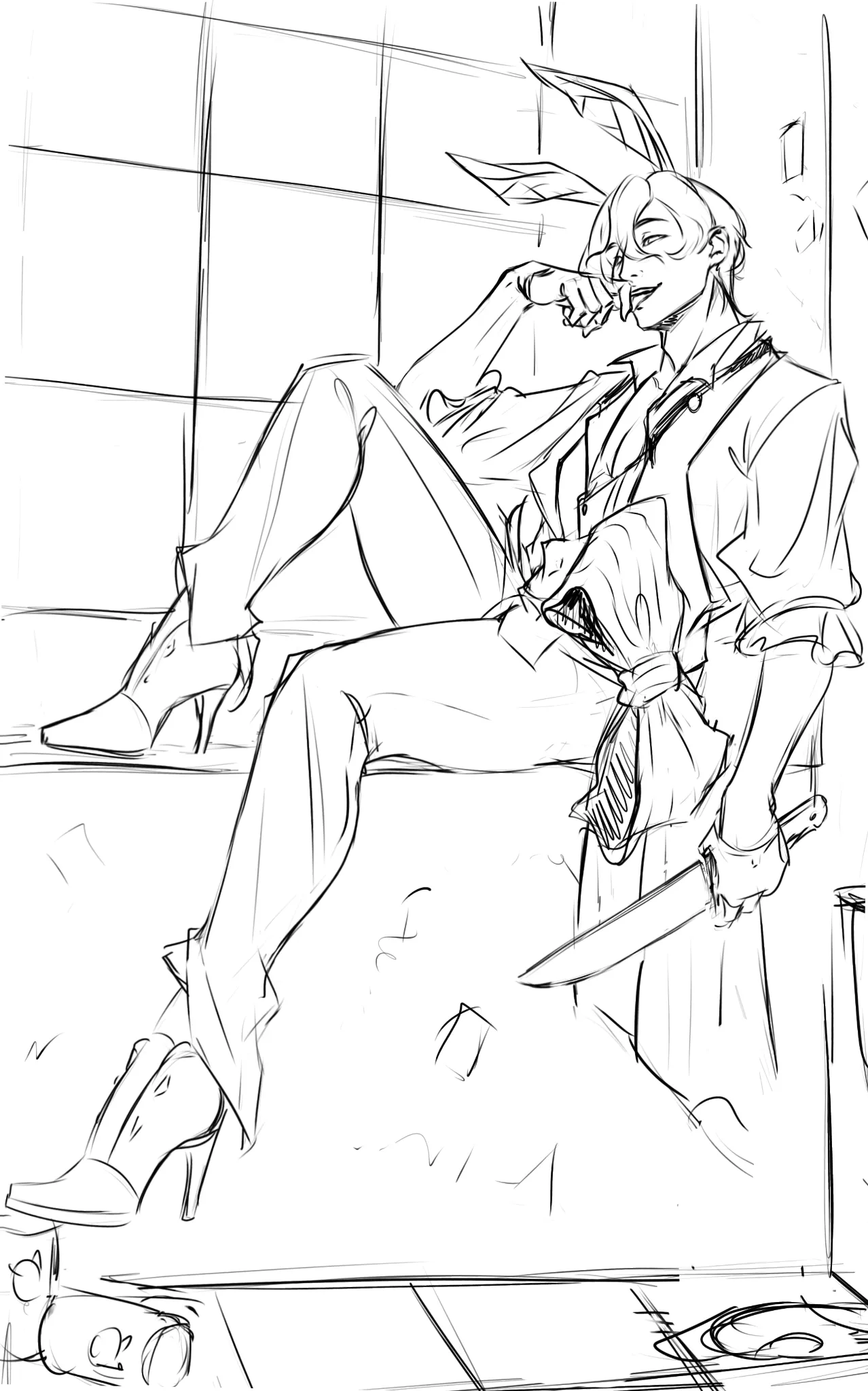
Redraw of an old piece - yandere bunny Belphie
Decided to go with version B based on feedback. Changed the angle a bit. Rough sketch before rendering. Could use help with anatomy >.<
12 hours ago
View
Perspective and Form
No responses yet
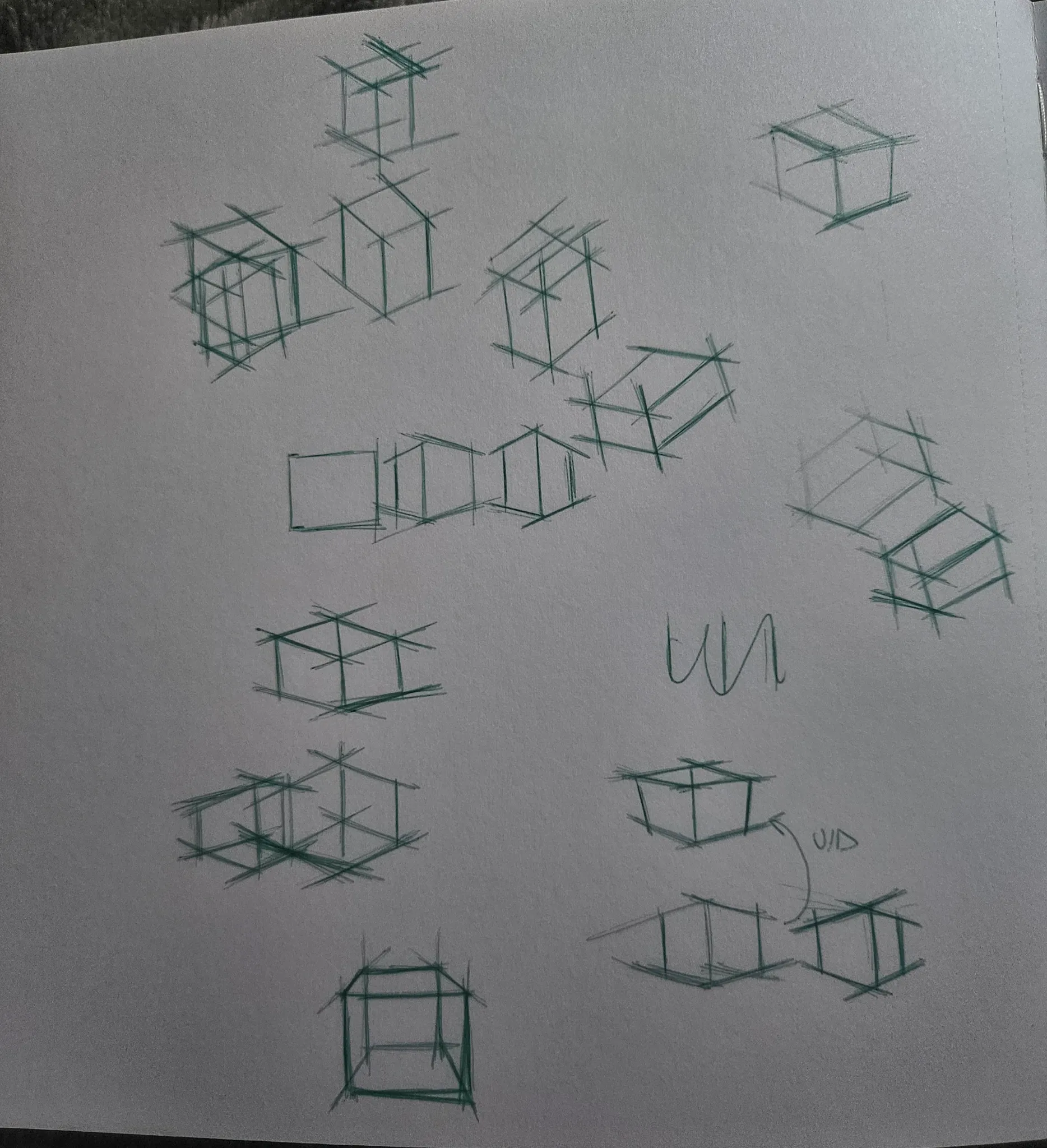
Boxes rotation 3 dimension
I'm doing box rotation exercised and it's been a struggle i cam see i am mpving and some ho rotating the box but i can figure out the logic behing it (like if i want to rotate in in the x or y or z axist what actually i need to change abt my lines and stuff) and i dont know if im doing it properly
15 hours ago
View
Figure
No responses yet
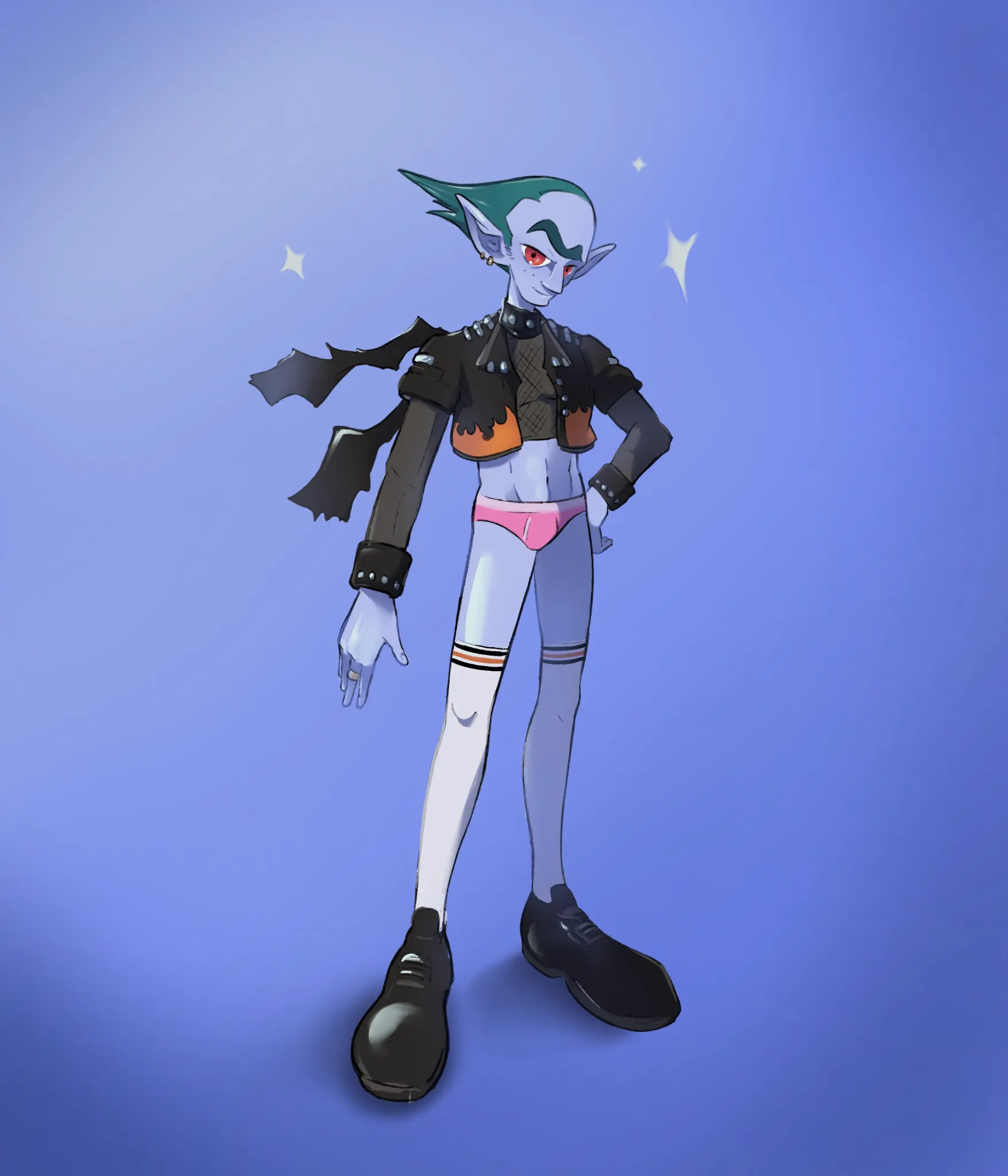
My OC protagonist
Need some feedback about character design and silhouete as well as rendering
18 hours ago
View
Perspective and Form
No responses yet
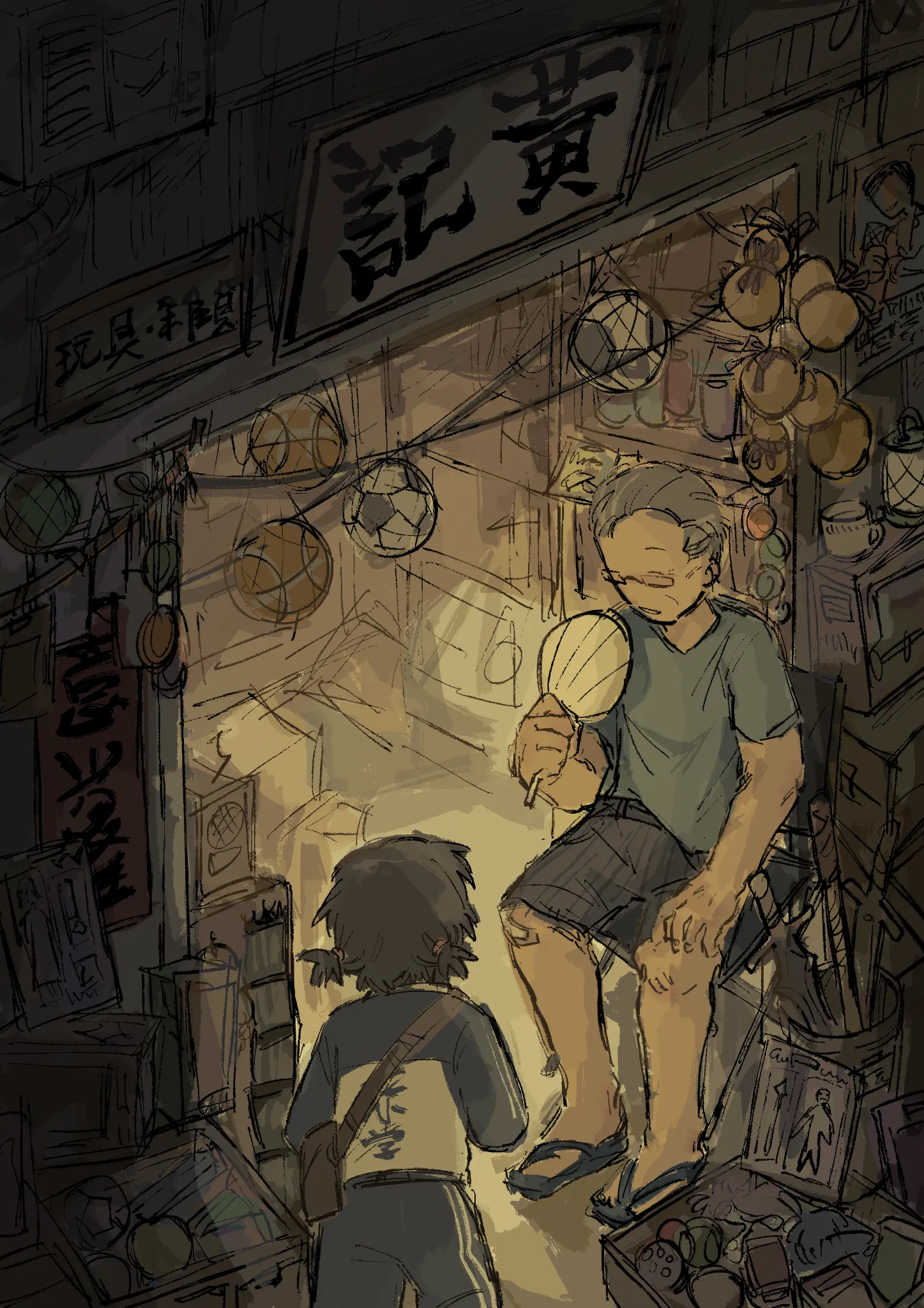
nostalgia
A bit of an older piece. Perspective is kind of off in this one i think (especially for the placement of the characters, and also the contrast and readability of the composition
18 hours ago
View