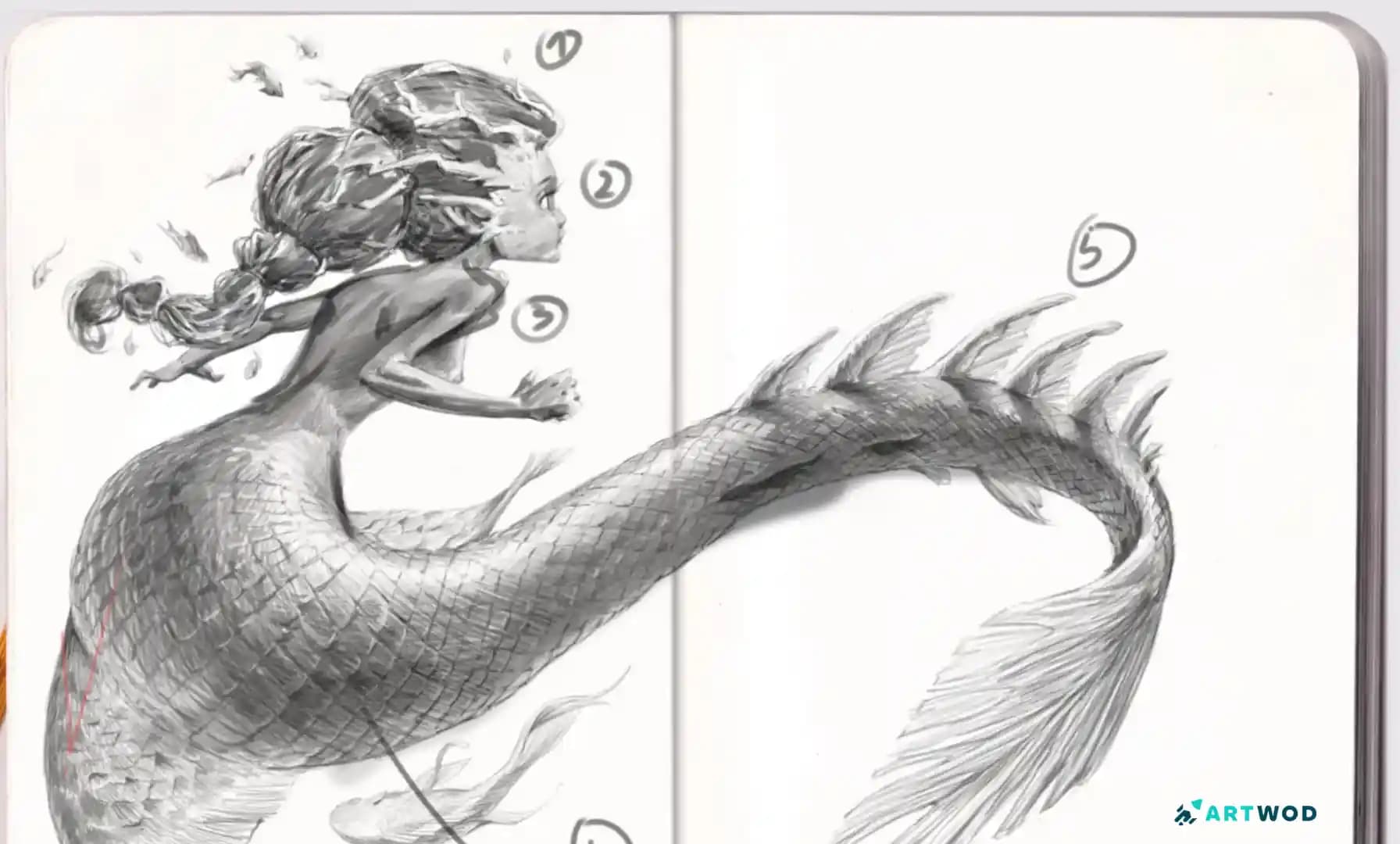
Why Sharing Work in Progress Art Improves Skills Faster
How Work in Progress Art Helps Artists Improve Faster
Every artist knows the feeling. You spend hours, days, or weeks grinding away on a piece in absolute secrecy. You refuse to let anyone see it until it is “perfect.” Then, you finally post it, only for someone to point out a massive perspective flaw or a broken anatomy bone that you are now too exhausted to fix.
What if the secret to breaking through your current skill plateau isn’t hiding your work until it’s finished, but intentionally exposing it while it’s still messy?
Discover why posting work in progress (WIP) artwork and receiving critique helps artists improve drawing, painting, and design skills at twice the speed of grinding alone.
What Qualifies as Work in Progress Art?
Before we dive into the psychology of improvement, let’s define what a WIP actually is. It isn’t just a half-colored painting. A work in progress can be:
Loose thumbnailed concepts and composition roughs.
A raw figure sketch feedback pass focusing strictly on gesture.
Unrefined perspective practice feedback blocks before any design elements are added.
Initial lay-ins for animal drawing improvement or structural anatomy.
Essentially, any stage of the artistic process where the foundational decisions are still fluid qualifies as a WIP.
The Power of Early-Stage Critique vs. Final-Stage Critique
When you ask for feedback on a completely finished, 20-hour fully rendered painting, you aren't actually looking for a critique—you are looking for approval. If an expert tells you the underlying horizon line is warped, changing it requires destroying hours of rendering. You get defensive, dismiss the advice, and move on.
Early-stage critique completely flips this script. When you seek an early portrait study critique when it’s just a loose construction block-in, correcting the alignment of the eyes takes five seconds. You haven't invested your ego into the rendering yet, making you incredibly receptive to changes.
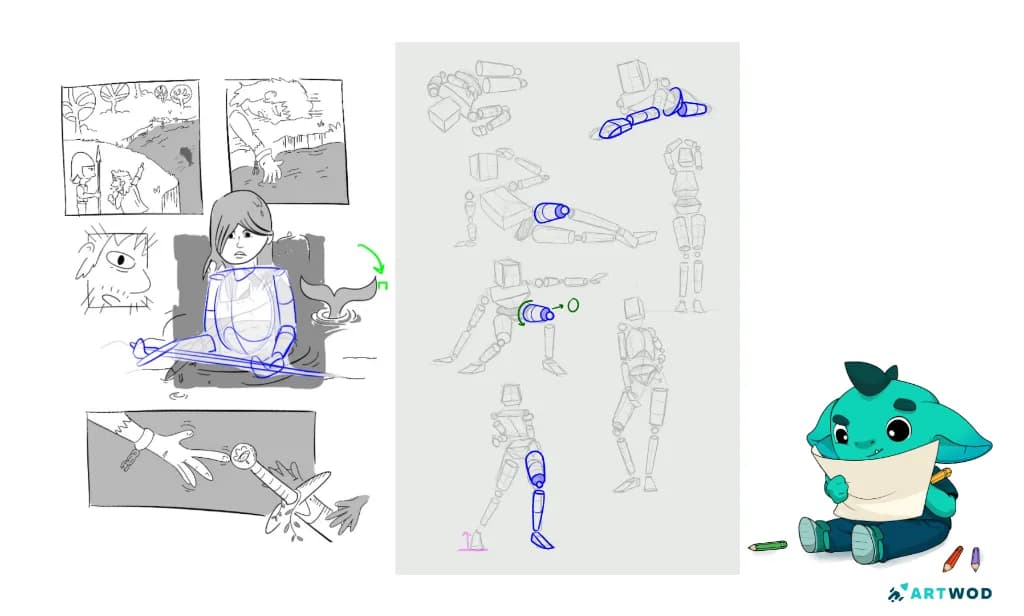
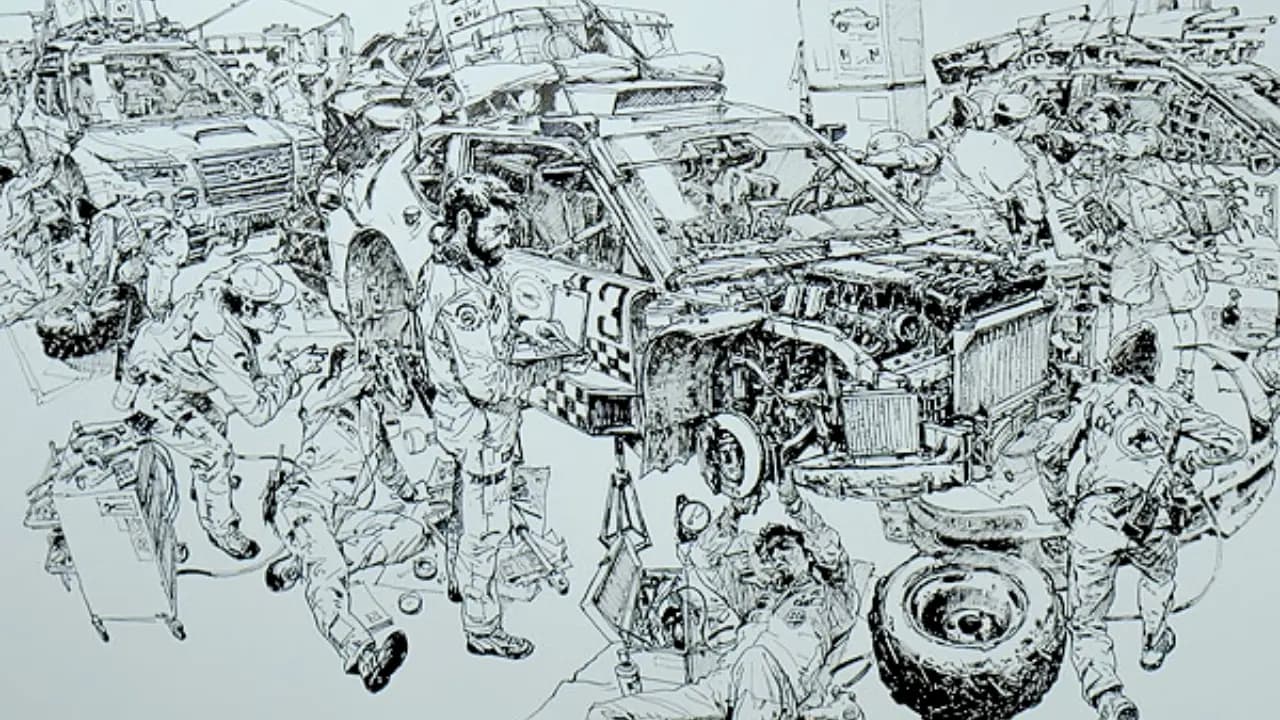
2 Images with Feedback on top of them: first image - a comic page about mermaid adventures, black and white, feedback indicates construction problems second image - 7 figure mannequins with 3 drawovers indicating construction mistakes On the right image of Woddy, Artwod Mascot, little green creature drawing with crayons.
Catching Anatomy and Perspective Mistakes Earlie
Your brain adapts to your own mistakes. The longer you look at a drawing, the more your brain rationalizes structural errors. By forcing yourself to share work in progress art, you get fresh eyes on your canvas before your brain locks the errors in place.
Getting structured anatomy studies feedback during the initial skeletal layout ensures you build your muscle layers on a solid foundation, saving you days of frustration.
Iterative Learning Cycles and Rendering Quality
True artistic growth happens through iterative learning and correction cycles
. The faster you complete the loop of Drafting ➔ Identifying Mistakes ➔ Correcting, the faster your muscle memory builds.Surprisingly, getting feedback early is also the secret to rendering improvement feedback. High-quality rendering is completely useless if the underlying form is flat. When your perspective, lighting planes, and volumes are validated early by a community, your final rendering phase becomes smooth, confident, and vastly superior in quality.
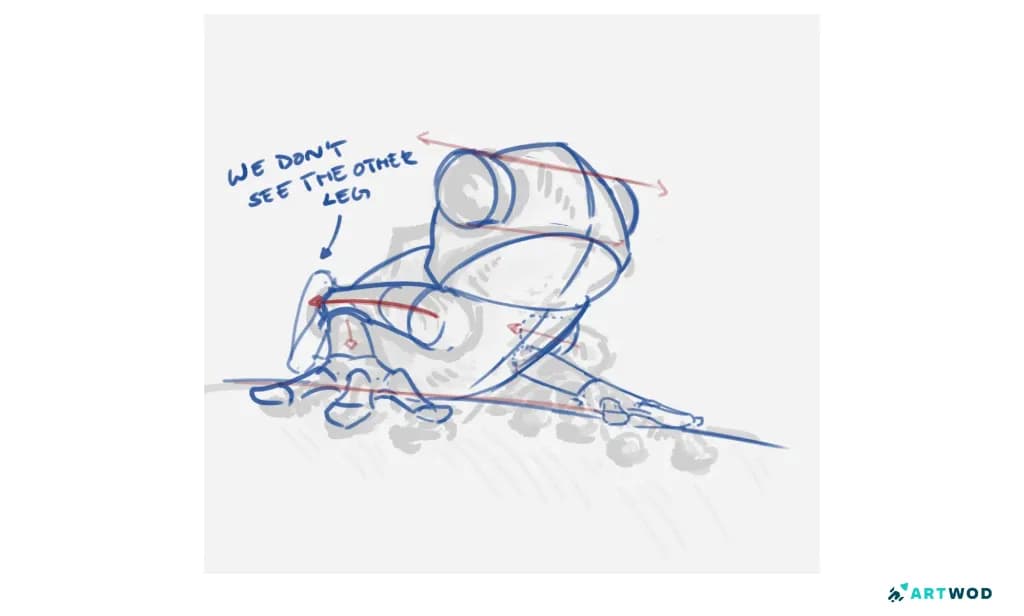
Feedback drawover of a frog. Art feedback indicates problems with construstion. "We don't see the other leg" says the critique
Overcoming the Fear of Showing the Messy Middle
The biggest hurdle for most artists isn't a lack of skill; it's the intense fear of sharing unfinished art. We live in an algorithm-driven world where everyone showcases polished, flawless final pieces. Showing your "messy middle" can make you feel exposed or judged.
However, professional concept artists and animators use WIP critiques every single day. In a studio environment, showing a finished piece that didn’t go through a layout check is a fireable offense. Professionals treat their art as a problem-solving process, not a performance. Embracing transparency in your artistic growth detaches your self-worth from the canvas and reframes every mistake as a data point for improvement.
How to Present Your WIP Art for the Best Feedback
To get the most actionable advice from other artists or mentors, don't just drop a messy sketch without context. Use these best practices:
State your goals:
Ask specific questions: Instead of asking "Is this good?", ask "Does the weight distribution on this leg look natural?"
Isolate the layer: If you are asking for environment concept feedback, show the line art or block-in values clearly without distracting textures.
Track Your Transformation and Build Community
Beyond the pure mechanical skill upgrade, process sharing completely changes how you interact with the art community. Audiences and fellow students love seeing the journey. Sharing your raw milestones creates a narrative, allowing you to track your artistic transformation over time.
Stop drafting in the dark. If you want to accelerate your growth curve, you need a dedicated, structured space to get your work evaluated by peers and mentors who understand the fundamentals.
Ready to get your current project dialed in? Head over to the Artwod Feedback Tool
right now, upload your current messy layout, and build your next masterpiece on a flawless foundation.Related Posts