Structured Art Feedback That Helps Artists Improve Faster
How Artists Improve Faster With Structured Art Feedback
What structured art feedback actually means
Great feedback does more than identify mistakes. It helps artists understand their work on a deeper level while giving them a clear path toward improvement. A strong critique should feel educational, motivating, and practical at the same time. When feedback is structured correctly, artists do not feel lost or overwhelmed. Instead, they understand exactly what is holding the drawing back and what they can do to improve it immediately.
Every feedback should include five essential parts that transform a simple correction into a valuable learning experience.
Every critique should begin by identifying the single most important mistake in the drawing. Artists often struggle when feedback becomes too broad or overloaded with small corrections. Focusing on the main issue creates clarity and direction from the beginning.
The core issue should always be written in a direct and specific way. Avoid vague statements that leave room for interpretation. The artist should instantly understand what the problem is without needing additional explanation.
Instead of saying:
- “The proportions feel weird.”
Write:
- “The head is approximately 20% too large compared to the torso.”
- “The torso perspective does not align with the pelvis.”
- “The lighting direction changes between the face and the shoulders.”
Specific feedback creates confidence because it removes uncertainty. The artist immediately knows where their attention should go first, which makes the correction process much easier and far more productive.
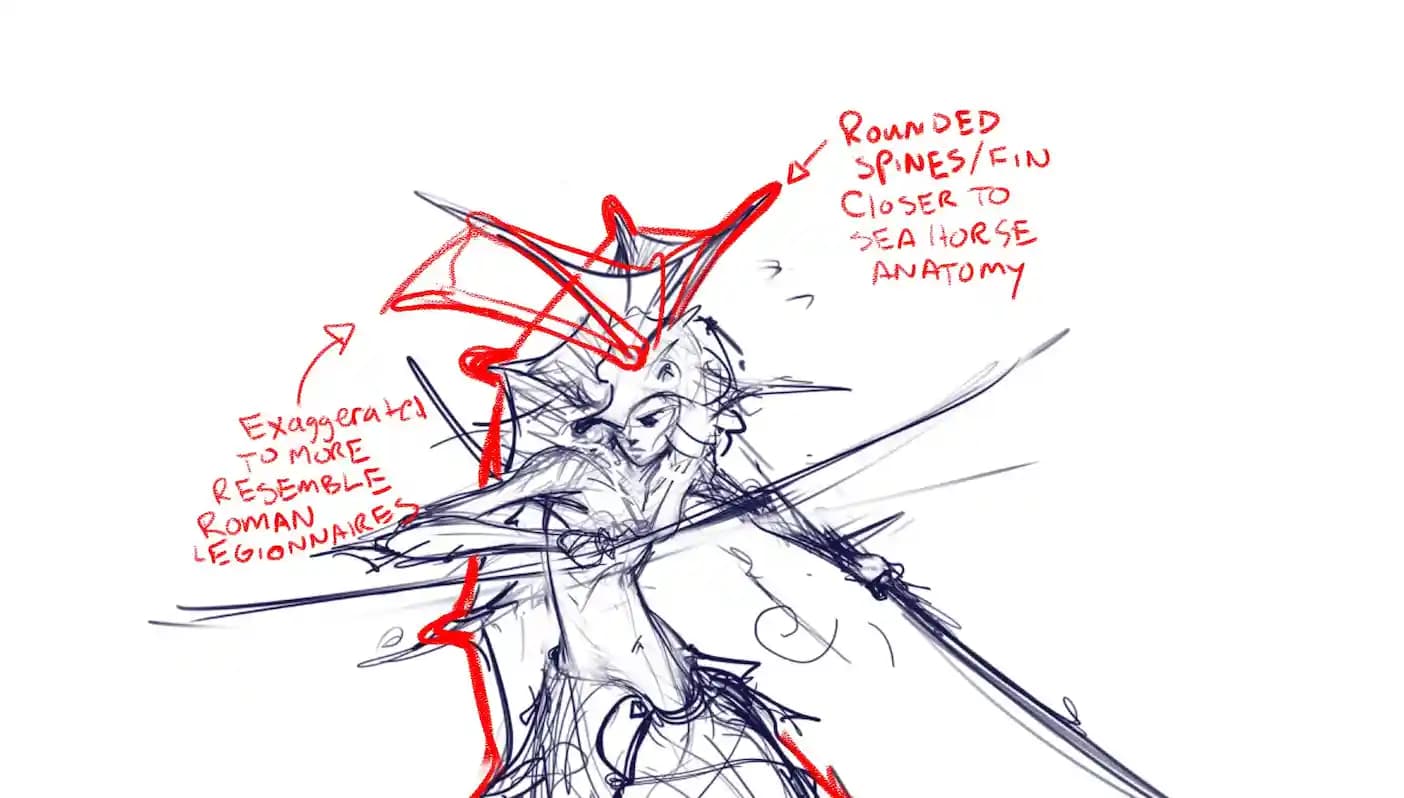
Example of great feedback by Fosco in the Artwod Feedback Tool
After identifying the mistake, the next step is explaining why it weakens the drawing. This is where feedback becomes educational instead of purely corrective. Simply pointing out errors is not enough. Artists improve faster when they understand the principle behind the mistake.
A strong explanation should be clear, approachable, and focused on the fundamentals of art. Depending on the issue, this may involve anatomy, perspective, structure, proportion, gesture, lighting, or form.
The goal is to teach the artist something they can apply to future drawings, not only to the current piece. When artists understand the reason behind the correction, they become more capable of identifying similar mistakes on their own later.
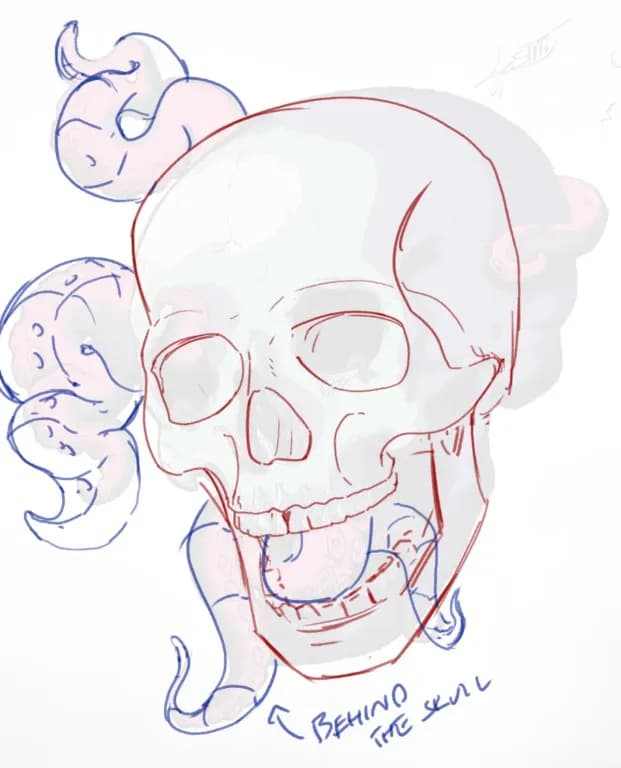
Visual corrections are often the fastest way to communicate a solution. A draw-over allows the artist to compare the original drawing directly with the corrected version, making the mistake easier to understand instantly.
A strong draw-over should stay focused on the core issue instead of attempting to repaint the entire artwork. The purpose is not to create a polished illustration. The purpose is to clarify the correction as quickly and clearly as possible.
The draw-over should simplify the solution. It should help the artist recognize the difference between the original structure and the corrected structure without unnecessary complexity.
For example, if the issue involves torso perspective, the draw-over might focus only on correcting the ribcage angle, shoulder alignment, and pelvis orientation. If the issue involves anatomy, the correction might simplify muscle groups into basic forms instead of detailed rendering.
The process should stay efficient and intentional. Spending excessive time polishing the draw-over usually reduces clarity rather than improving it. A quick and focused correction is far more valuable than an overworked repaint that distracts from the original lesson.
A good draw-over should communicate the solution within minutes because clarity matters more than perfection.
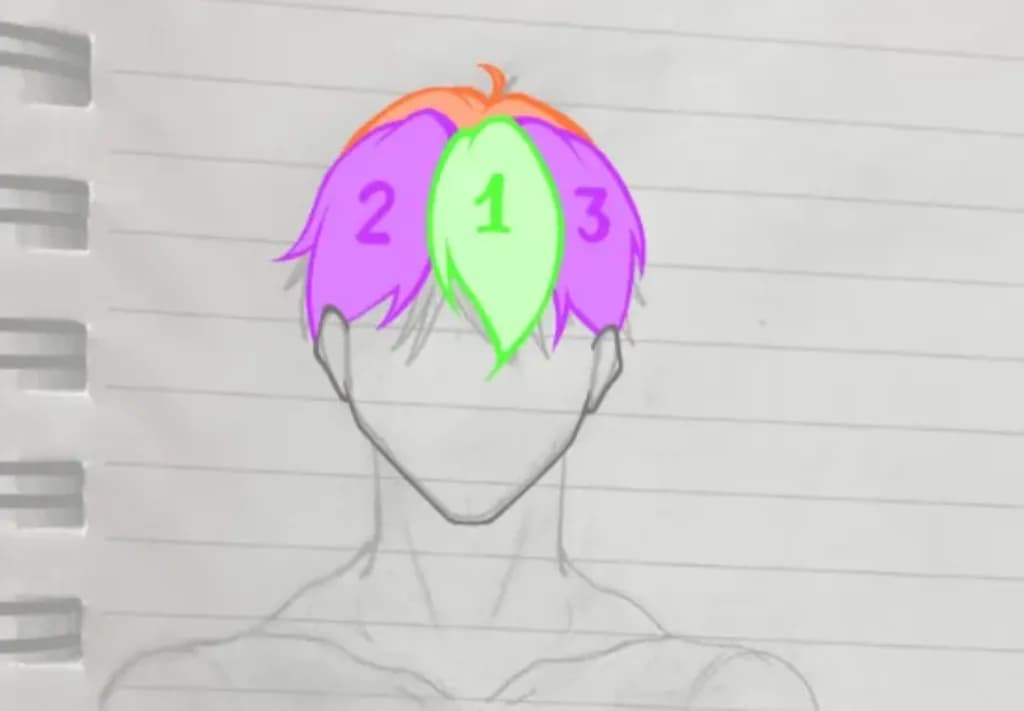
Example from community member on Artwod
Once the issue has been explained visually and verbally, the artist needs practical instructions they can apply immediately. This is one of the most important parts of effective feedback because it transforms theory into action.
Artists should never leave feedback sessions wondering what to do next. The correction steps should feel concrete, measurable, and easy to follow.
Instead of writing:
- “Practice anatomy more.”
Write:
- “Reduce the head size by 15–20%.”
- “Align the shoulder angle with the perspective of the ribcage.”
- “Construct the torso using simple box forms before adding anatomy.”
- “Establish the light direction before rendering shadows.”
Actionable feedback removes confusion. It creates momentum because the artist knows exactly what changes to make first.
Clear fix steps also make the learning process feel manageable. Large artistic problems become easier to solve when they are broken down into specific actions. This builds confidence and encourages artists to engage more deeply with the correction process instead of feeling discouraged by the complexity of the mistake.
Artists improve faster when they understand the visual impact of the correction. After explaining the issue and the solution, feedback should clearly communicate what improves once the fix is applied.
This creates a direct connection between technical adjustment and artistic outcome.
For example, reducing an oversized head does more than correct proportion. It improves the balance of the figure, strengthens anatomical believability, and creates a more natural silhouette. Correcting perspective does more than fix alignment. It improves depth, structure, and spatial clarity.
When artists understand the result of the correction, the lesson becomes more meaningful. They begin to recognize how small technical adjustments can dramatically improve the overall quality of an artwork.
This final part also reinforces motivation. Feedback should not feel like a list of failures. It should feel like a process that moves the artwork from a weaker state toward a stronger and more confident result.
The purpose of feedback is not simply to point out mistakes. The purpose is to help artists see more clearly, think more structurally, and create stronger work with every iteration.
Common mistakes artists fail to notice themselves