Tu veux enregistrer ton avis ?
Enregistrez tous vos commentaires au même endroit sur votre compte. Vos commentaires seront privés et non publics.
Peintres
Paintoover Notes
Choisir un vernis
Choisissez un avatar pour voir ses notes et en discuter.
Tu as aussi du mal avecle rendu ?
Améliore tes ombres et ta maîtrise de la lumière, 3 min de lecture
Beginner's Guide to Storytelling Through Comics: Easy Steps for Your First Comic
Master comic storytelling by blocking shapes, simplifying forms into mannequins, imitating professional styles, then creating your own narrative-driven panels.
Rendering
Tu aimerais aider quelqu’un qui attend encore ?
Perspective and Form
Pas encore de réponse
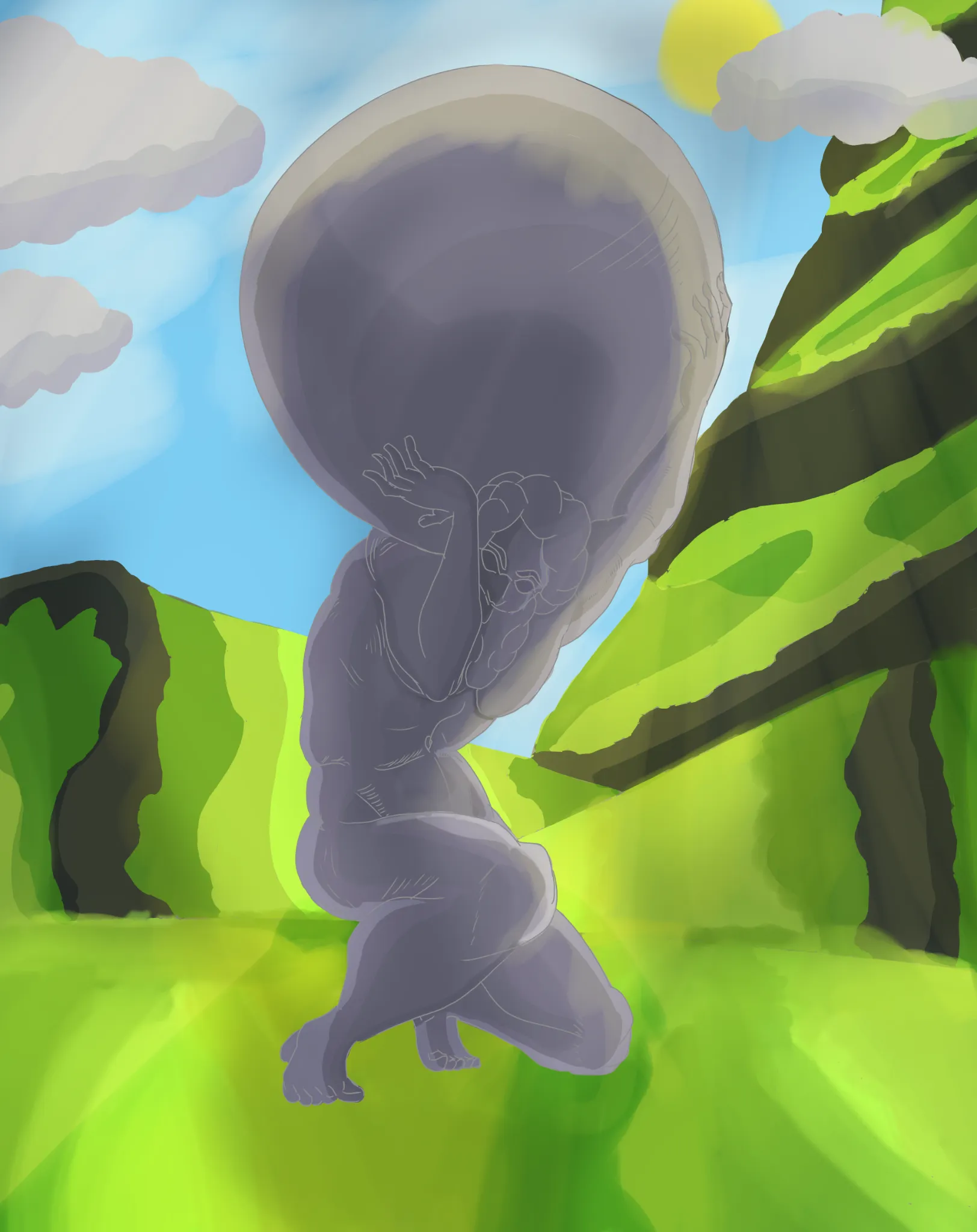
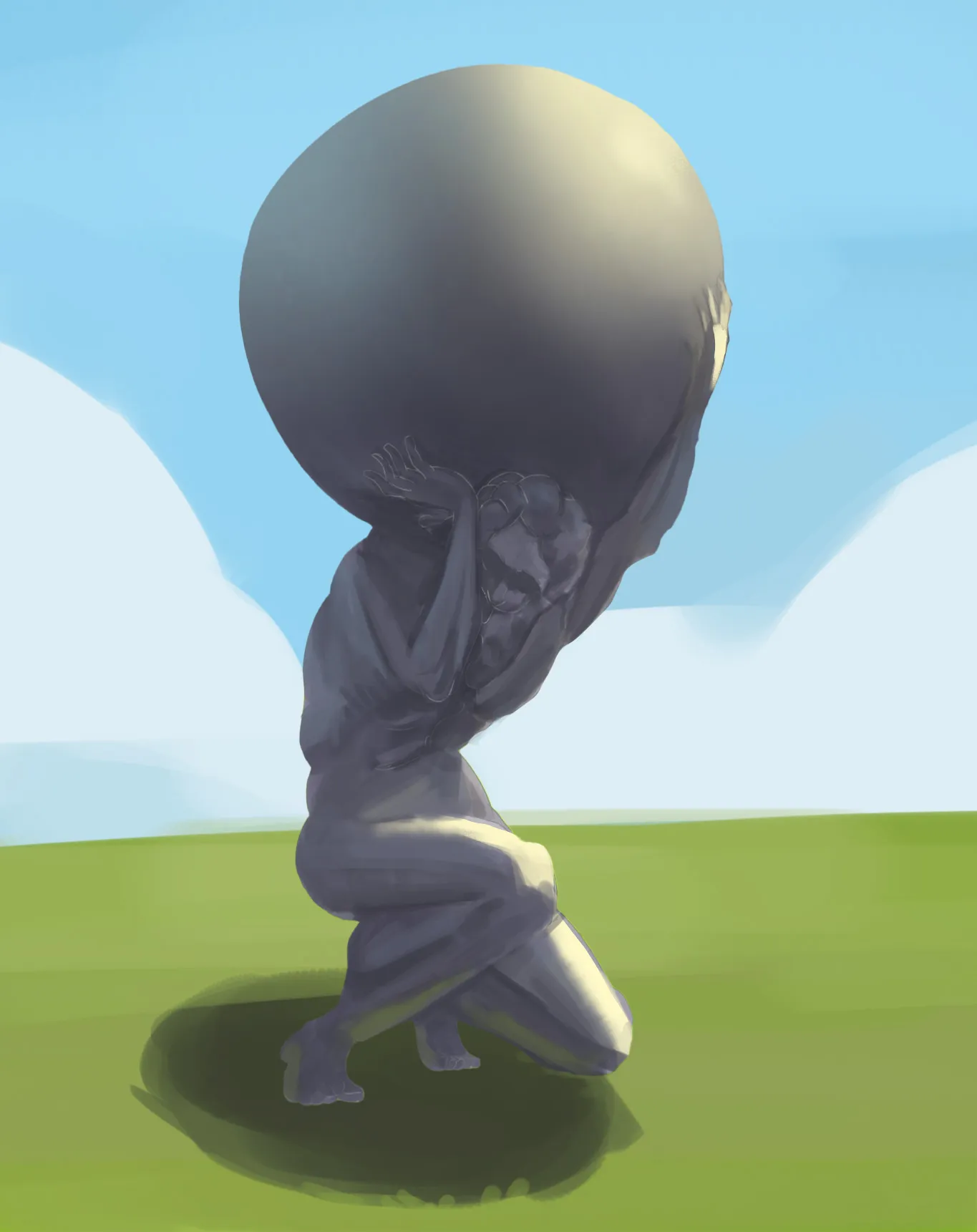
CragDyna
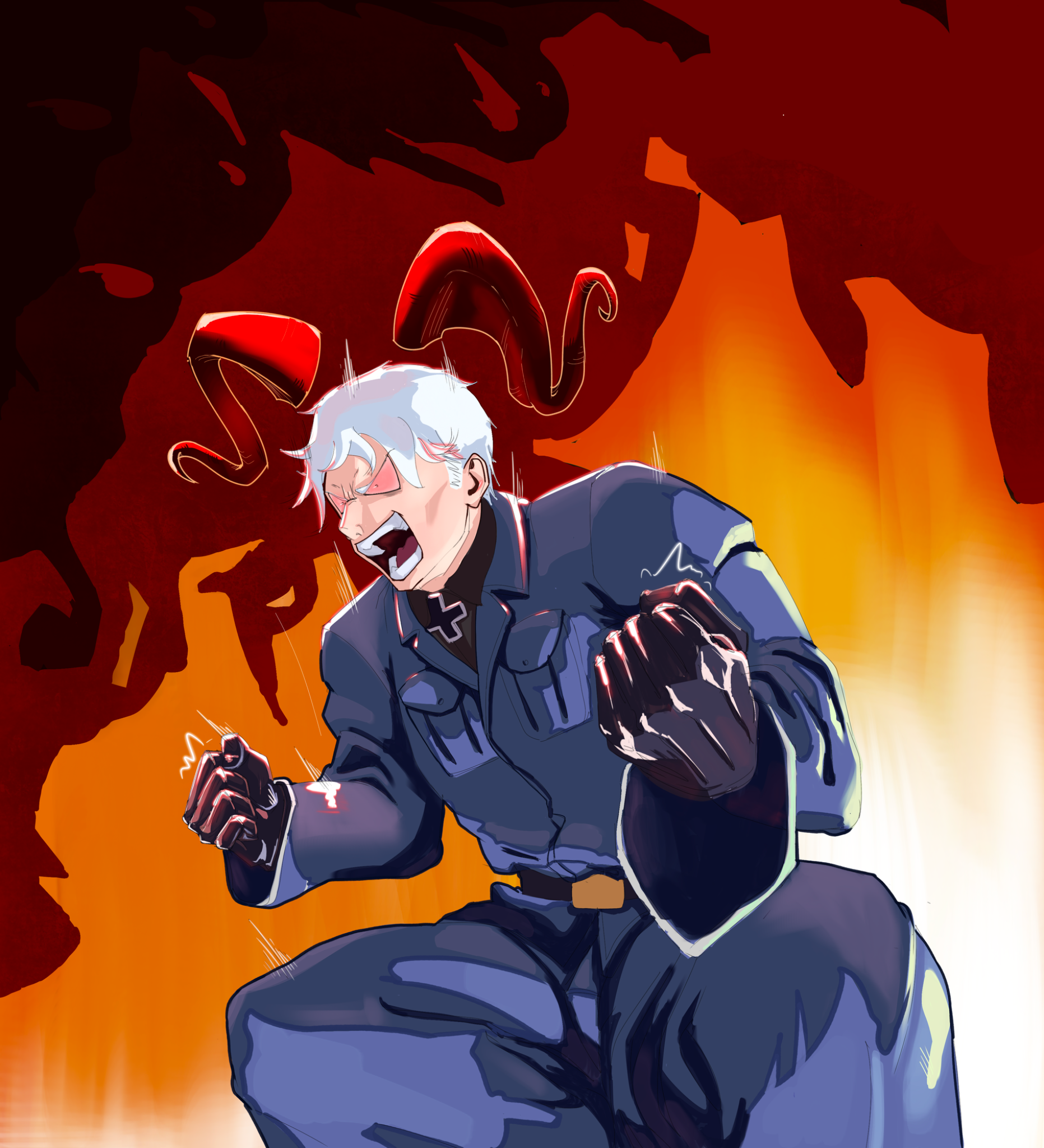
I want to get better at communicating shadows and perspective. That's something I've always struggled with. I'm sure there are some things I could've done better, but I need a seasoned eye to tell me what specifically.
Il y a 40 minutes
Vue
Rendering
Pas encore de réponse
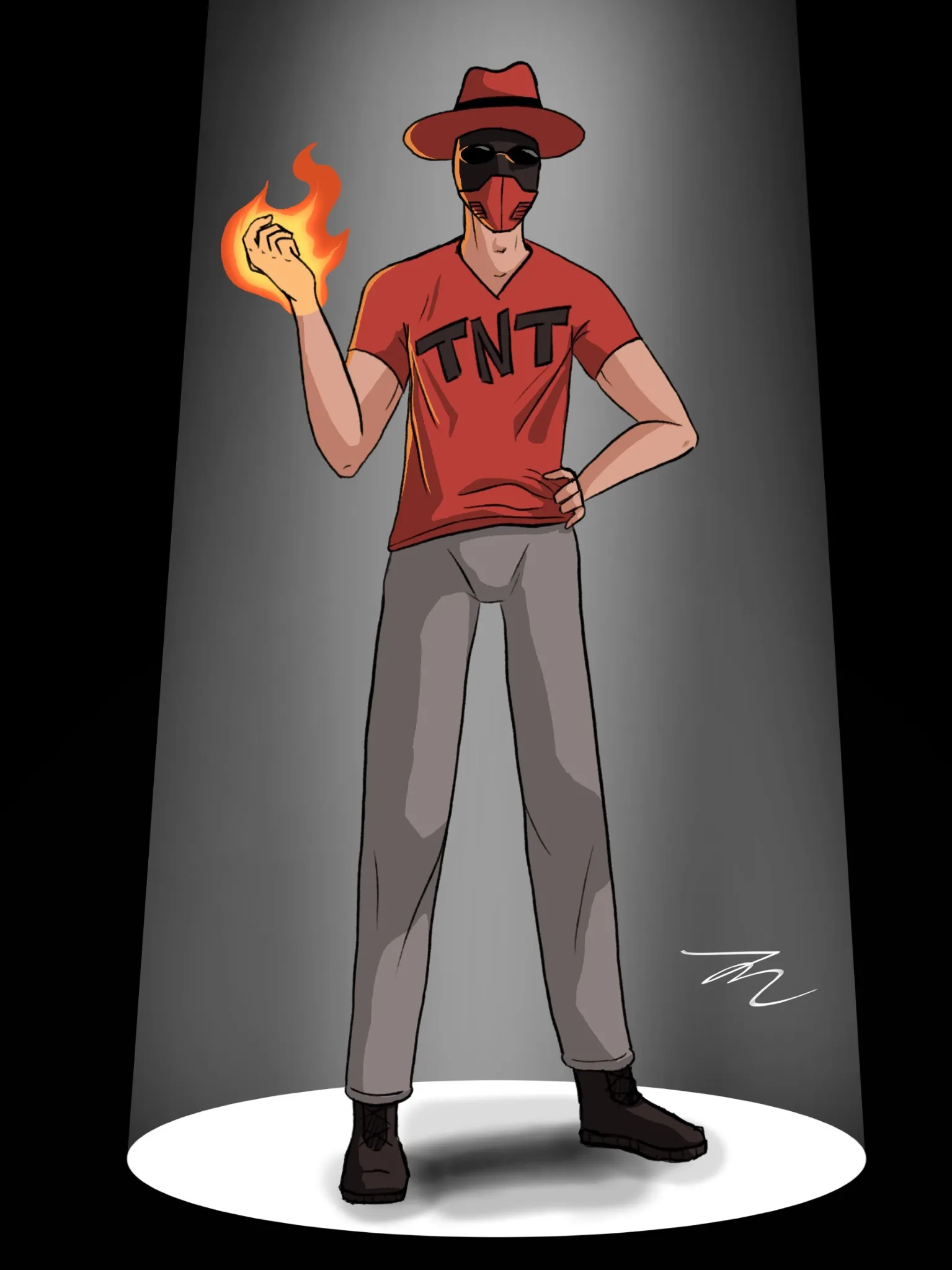
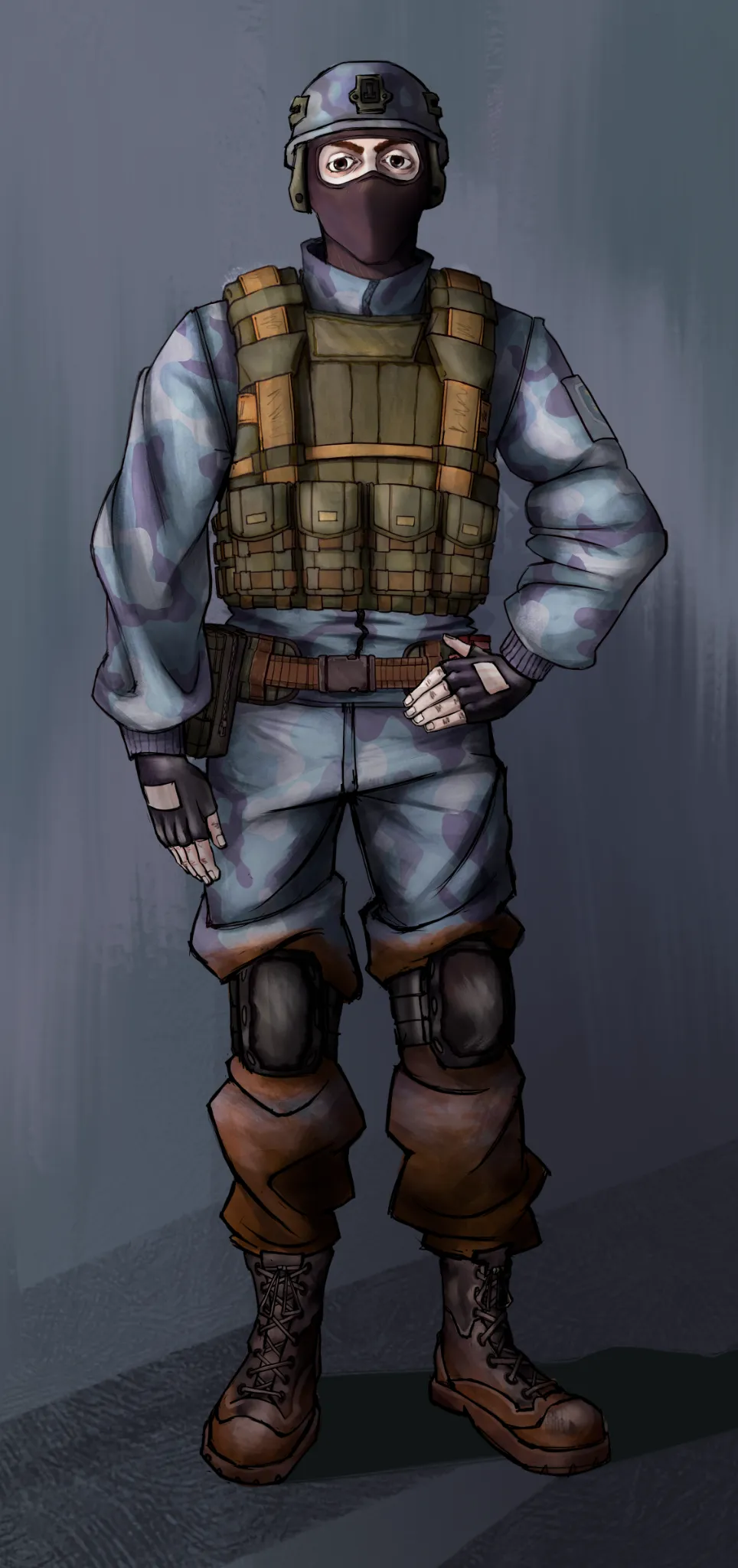
A character i drew, want to get some feedback
This is a commission i drew recently, and i think that aside from the boots, my texturing and render is kinda week.
Il y a 1 heure
Vue
Figure
Pas encore de réponse
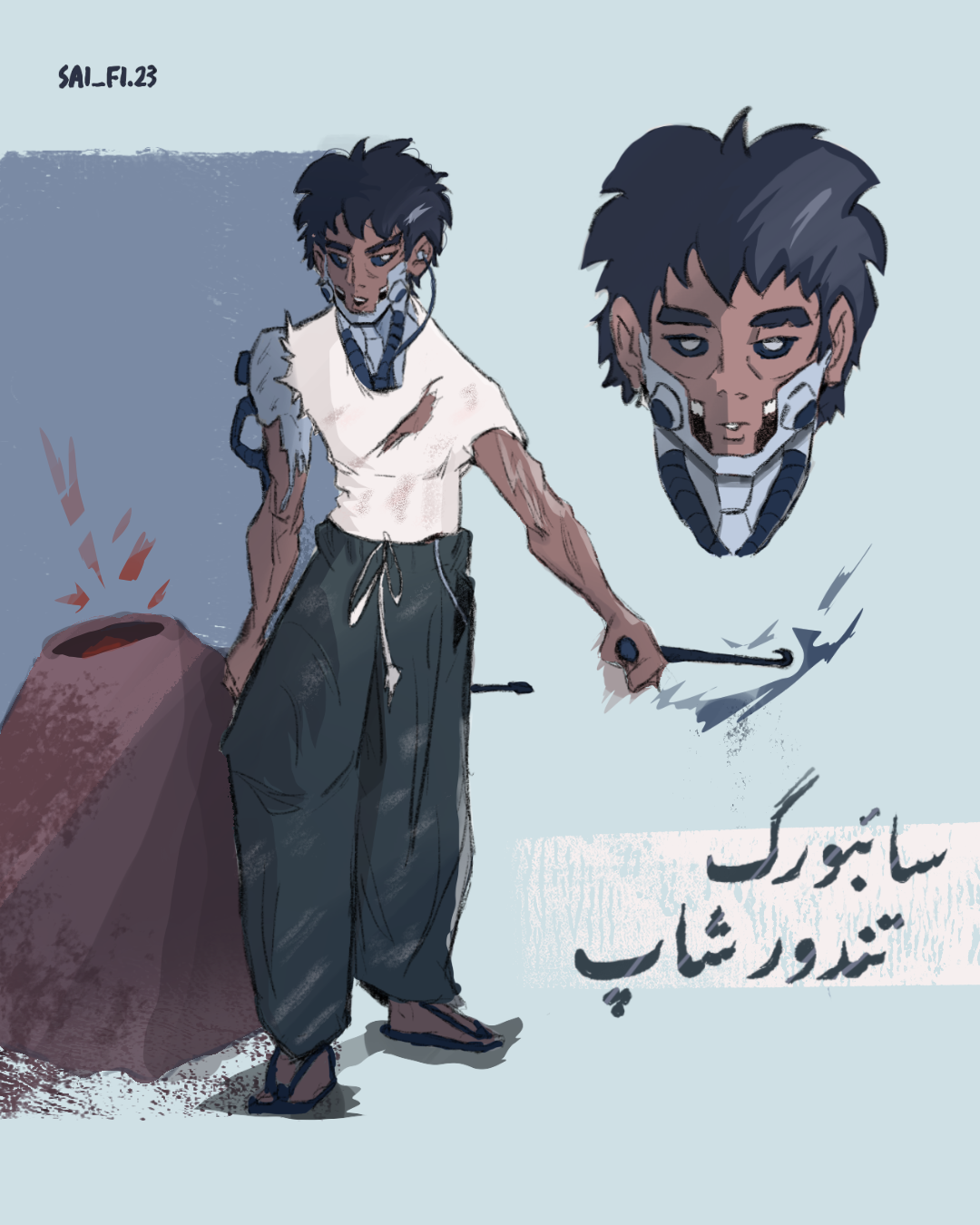
Bread maker Saleh
How can I improve the pose overall and make it feel more dynamic, I feel like the arm holding the rod can be executed better, other suggestions are appreciated as well.
Il y a 2 heures
Vue
Perspective and Form
Pas encore de réponse
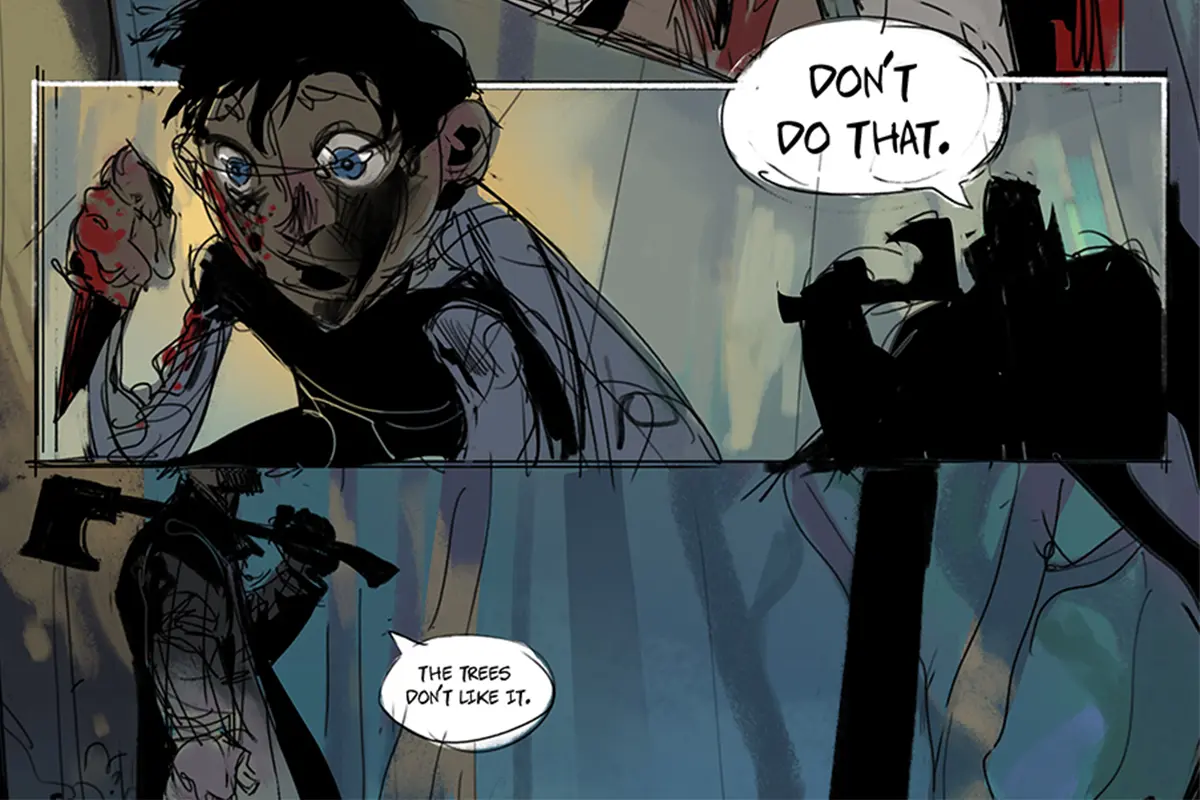
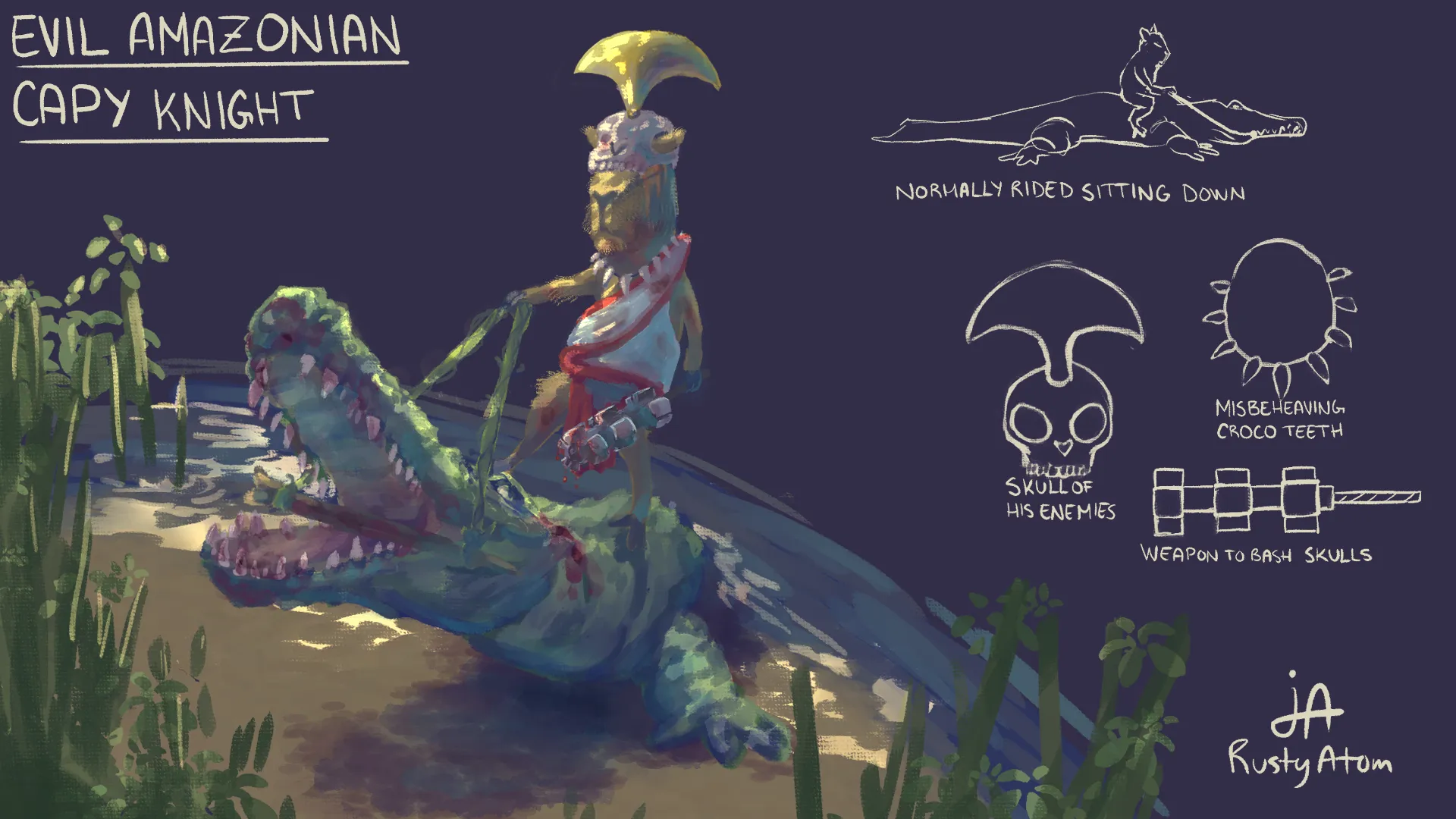
Evil capy knight
So, did this for this year's Chroma Corps assignment yesterday, and as proud as I am of this piece, I really did not receive the feedback I thought I would. I know my weak point is presentation, but I have also always struggled with both perspective and colors. I feel like the alligator and capy could've been in a more dynamic angle on more intense perspective, but I have no idea how to get it done.... Any help and ressources would be so much appreciated 👏
Il y a 2 heures
Vue
Rendering
Pas encore de réponse
Lighting/Coloring Improvements
Anything I could do to improve this? Thanks!
Il y a 4 heures
Vue
Rendering
Pas encore de réponse
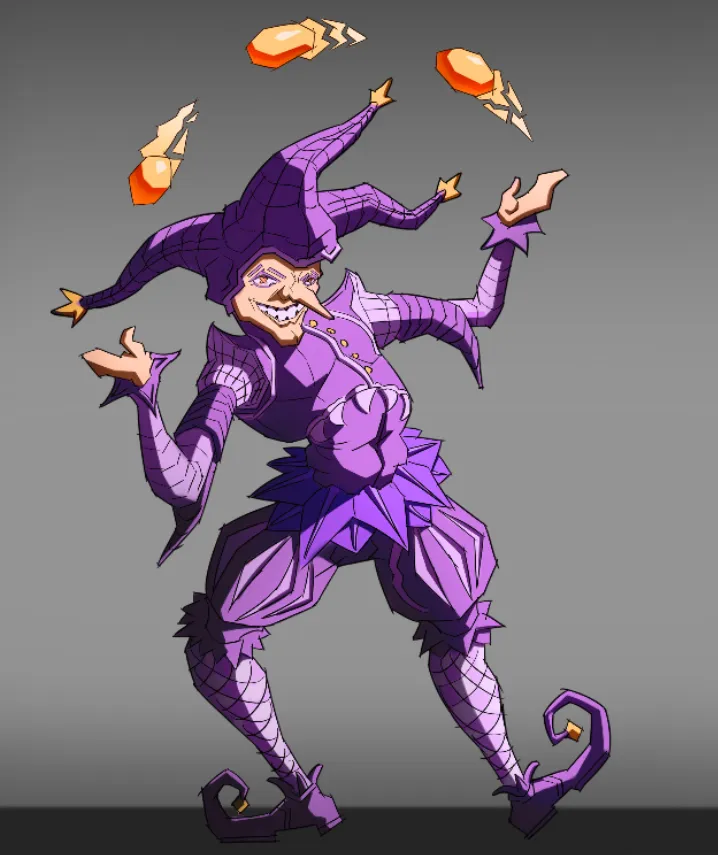
Character design, jester
This is practically my first piece of art without references. I drew it until I ran out of ideas on how to improve it. I would be glad to receive any advice.
Il y a 4 heures
Vue
July Before & After Art Challenge
Pas encore de réponse
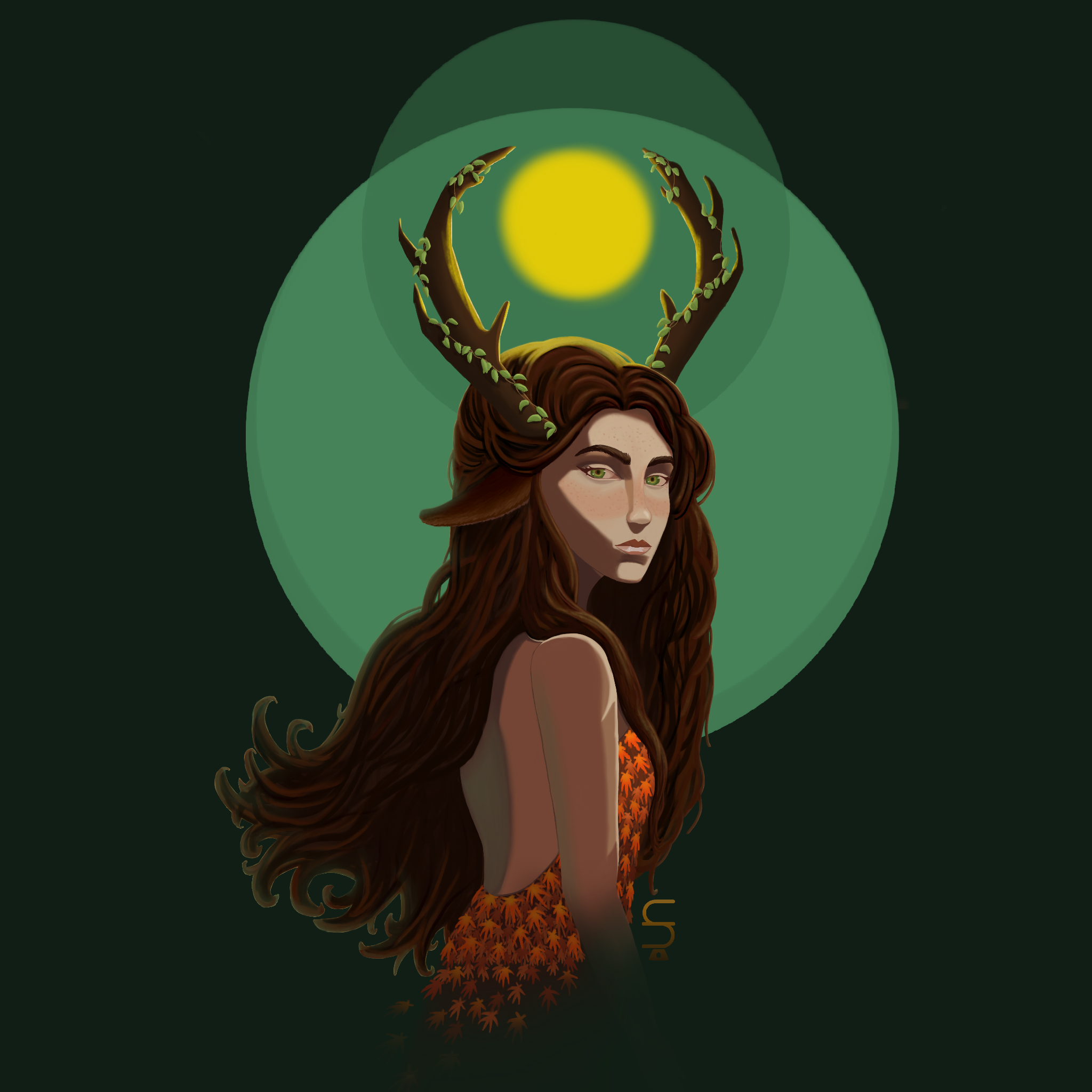
Profile illustration
Rework Thanks so much for your feedback, Fosco ! My drawing has really improved !
Il y a 4 heures
Vue
Environment
Pas encore de réponse
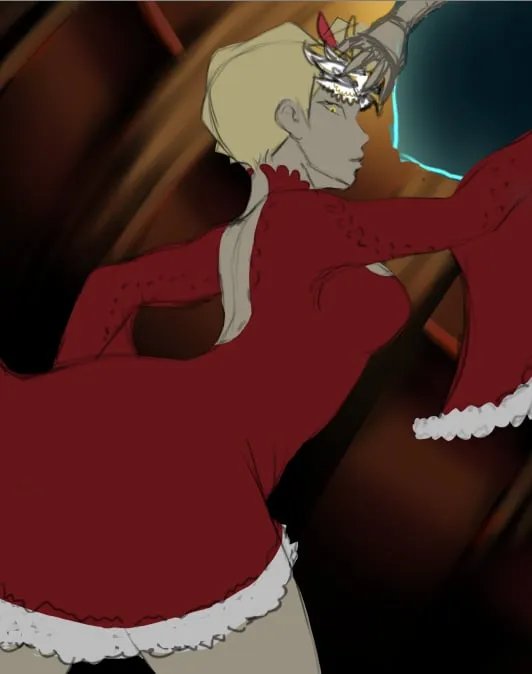
help me with the background
i really dont like the background it was supposed to be inside of a fancy mansion but it looks like a cabin i really dont know what to add. before i render i wanted to fix the environment first so it doesn't turn out bad
Il y a 4 heures
Vue
Figure
Pas encore de réponse
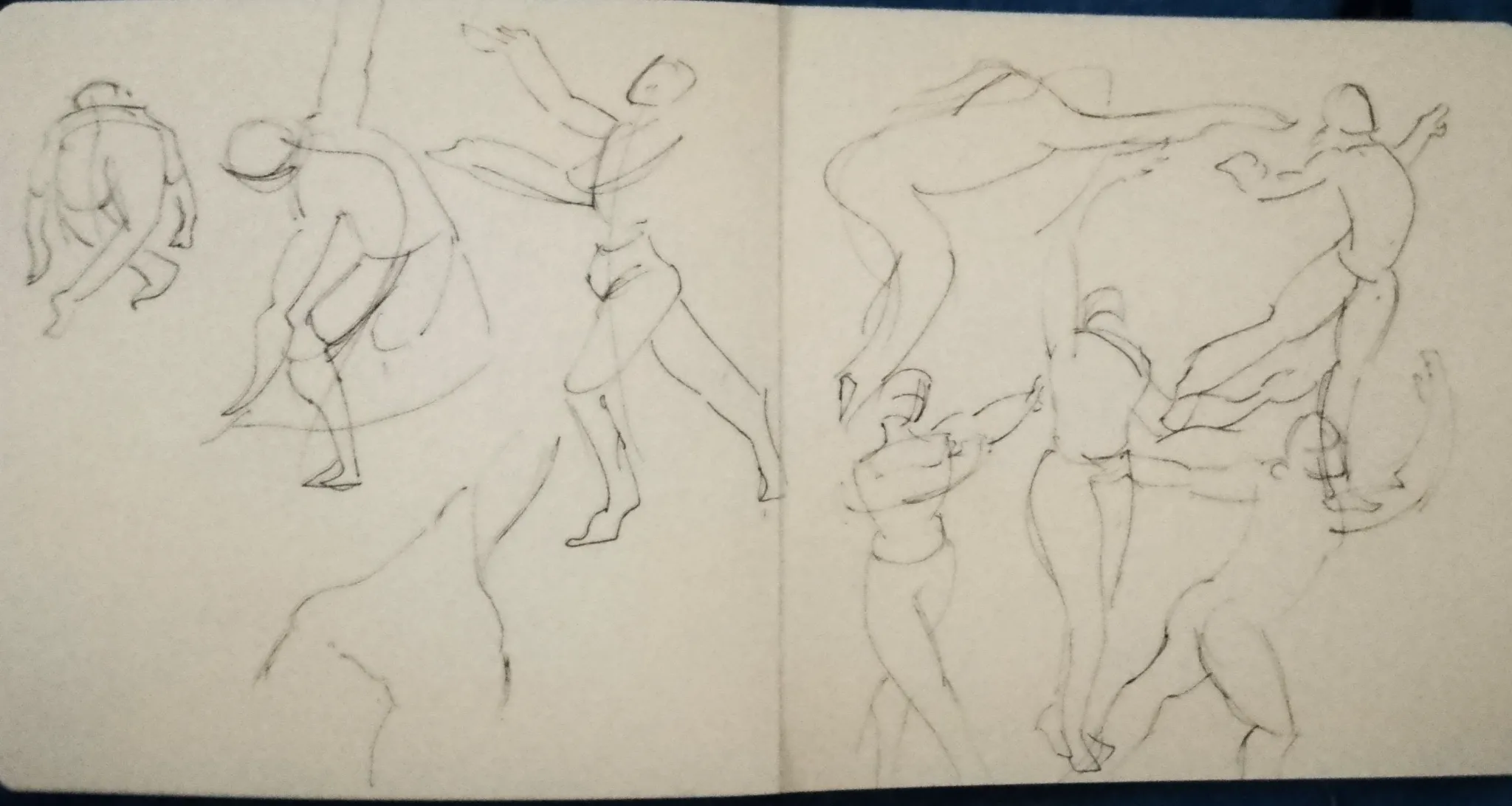
Figure drawing practice
Hello, I'm a beginner and I was practicing figure drawing. I'd like to know if I need to have certain criteria or what I should consider.
Il y a 4 heures
Vue