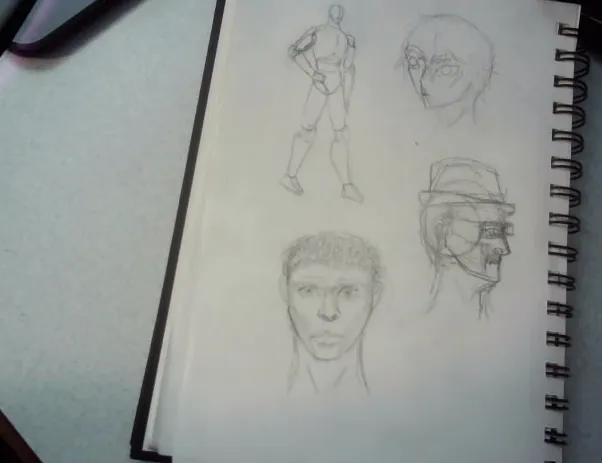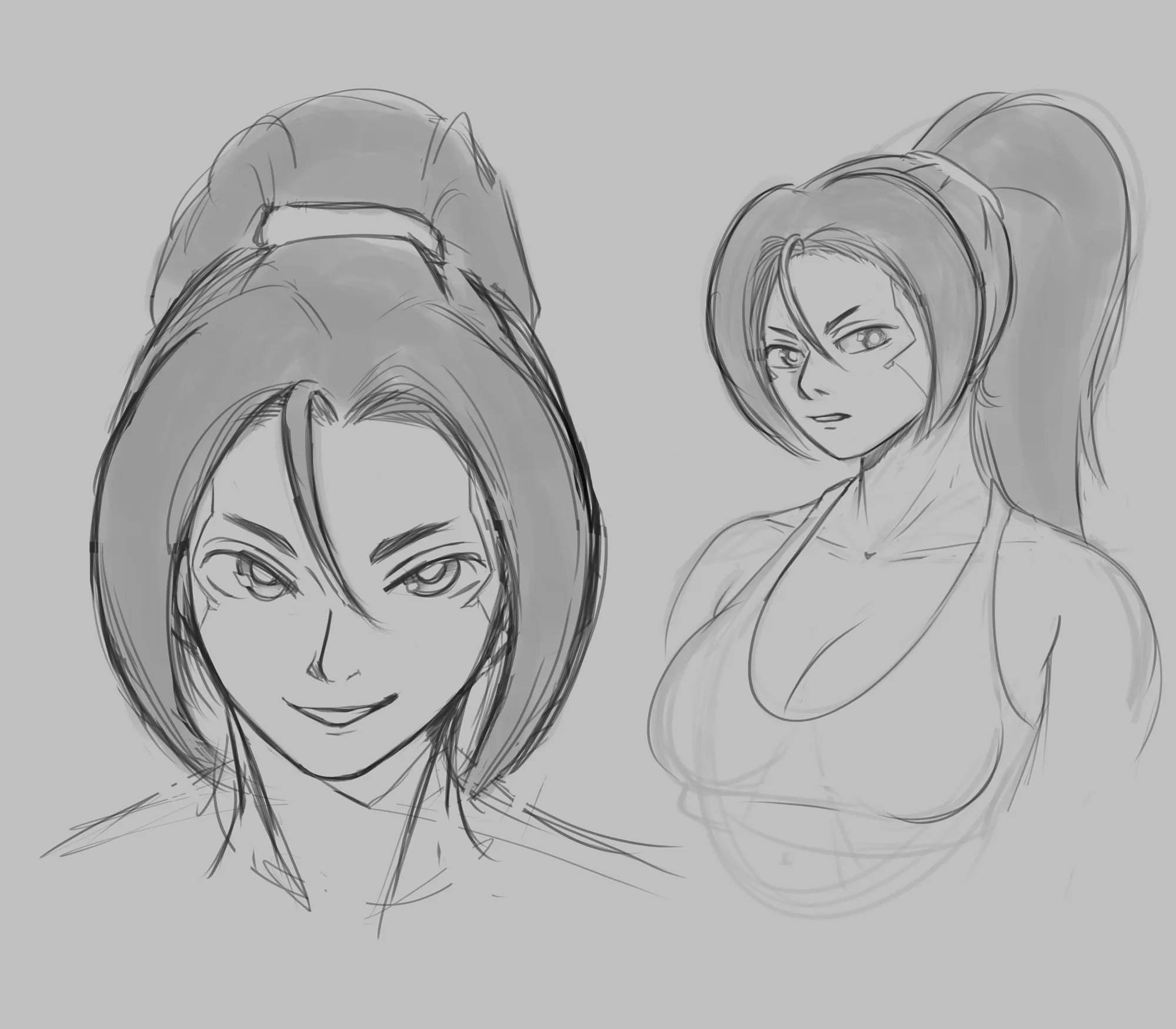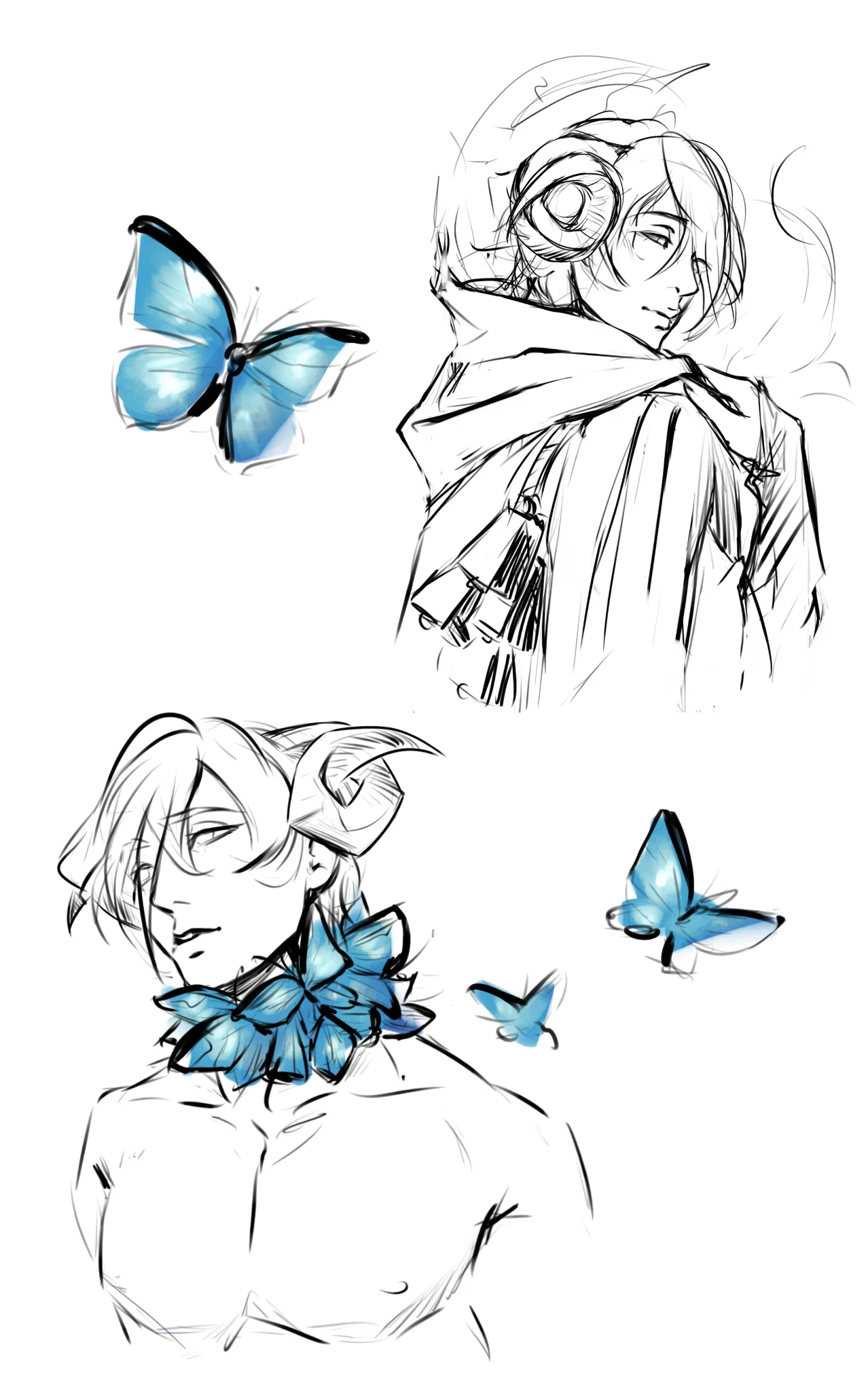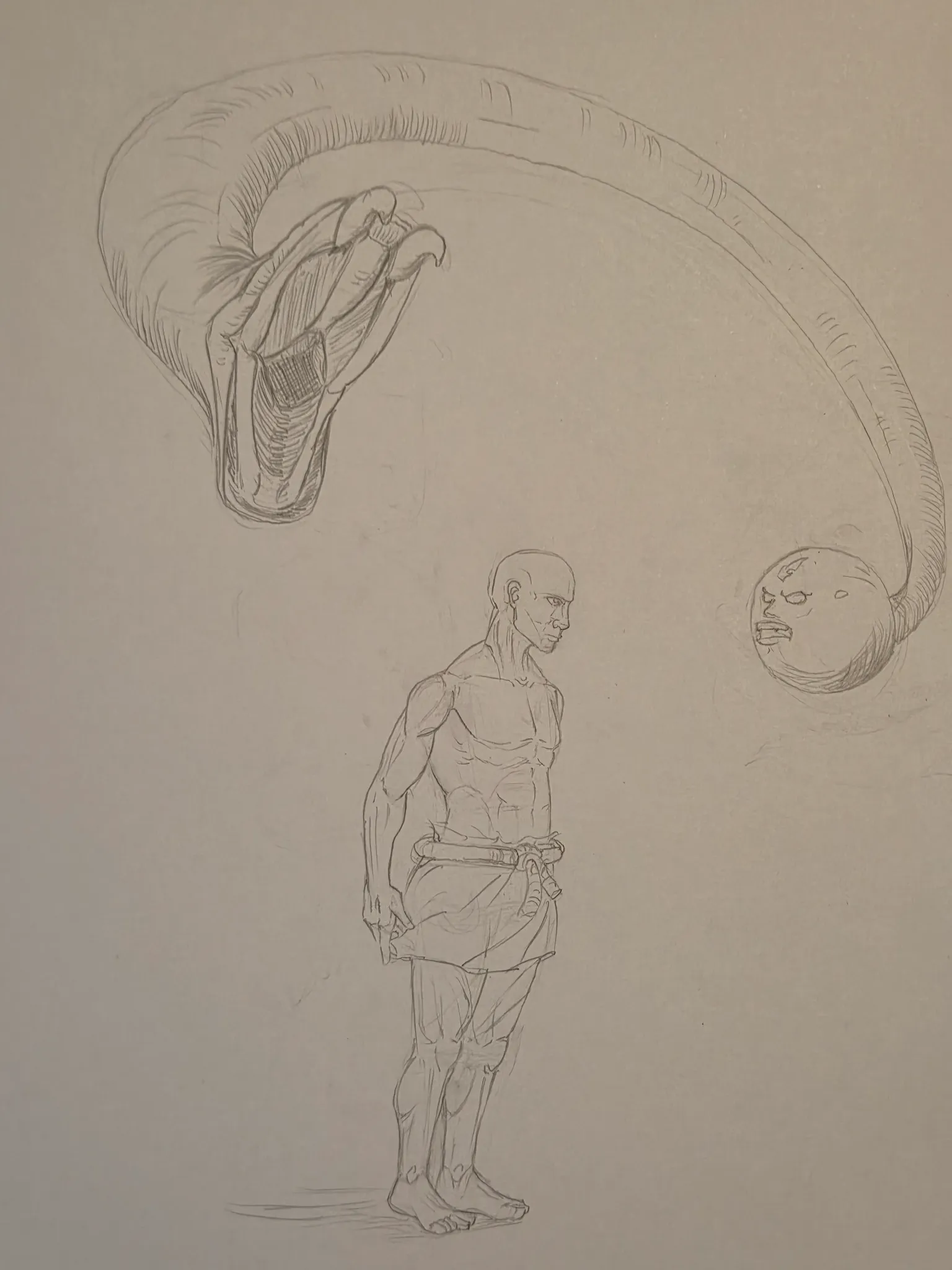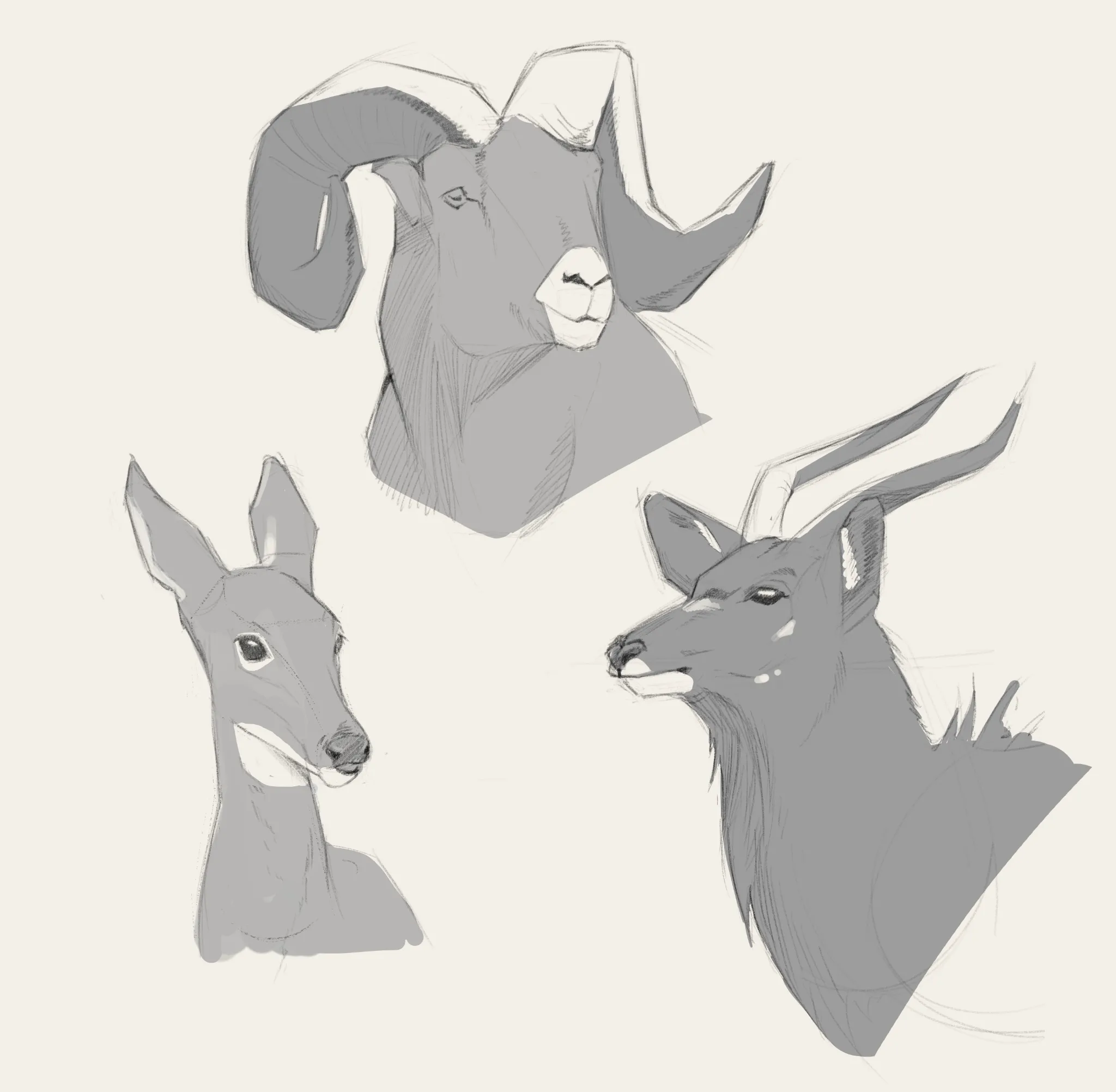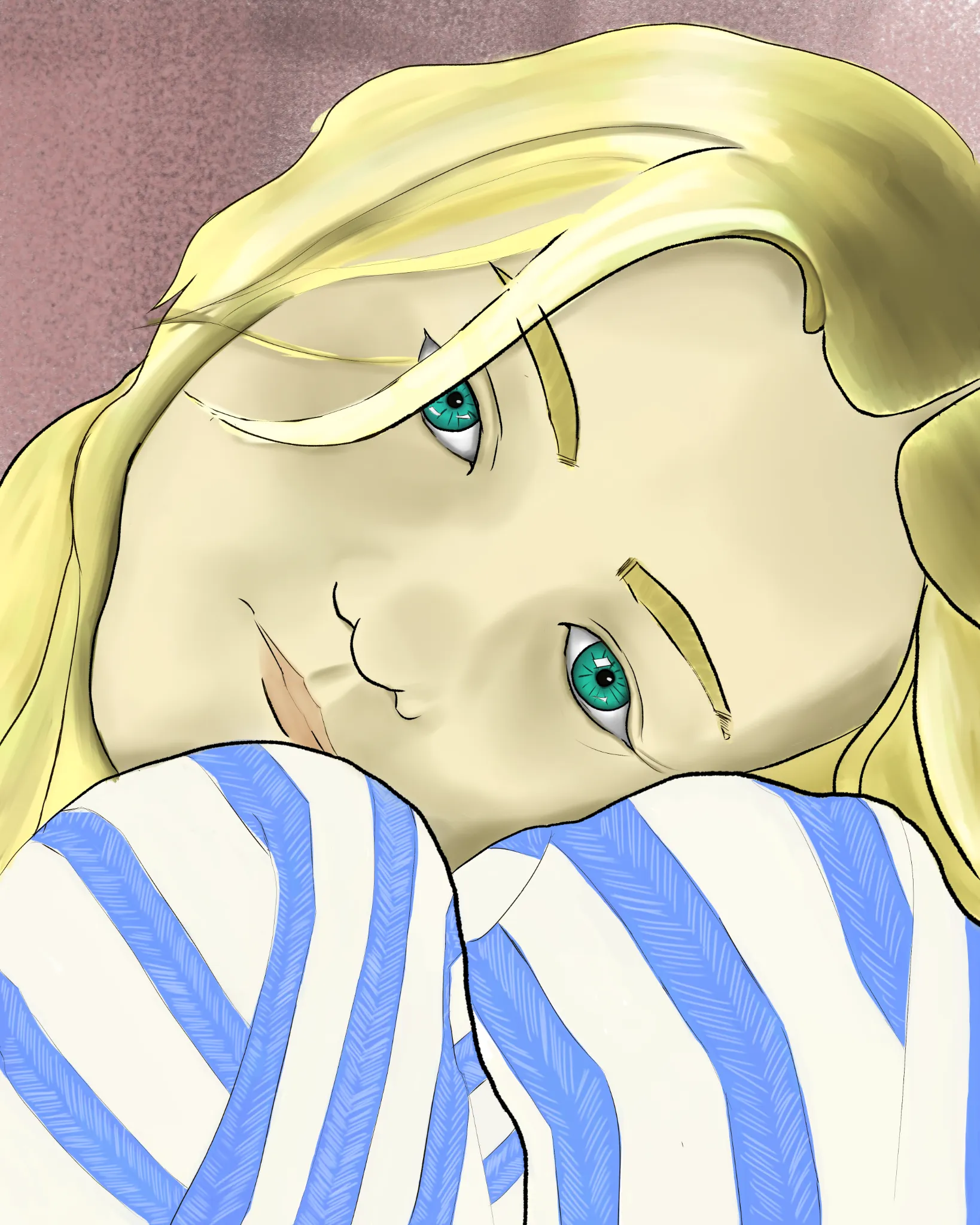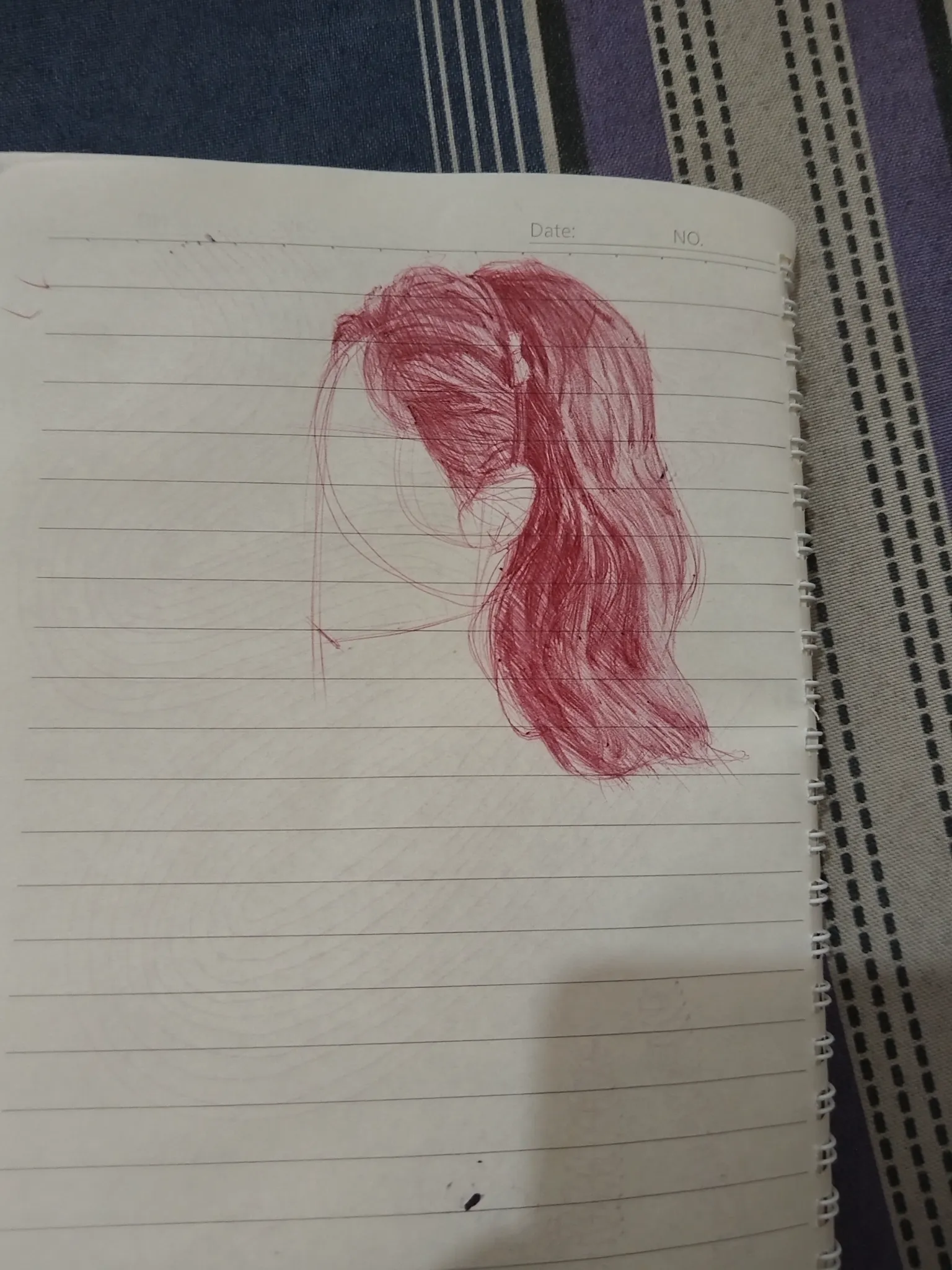
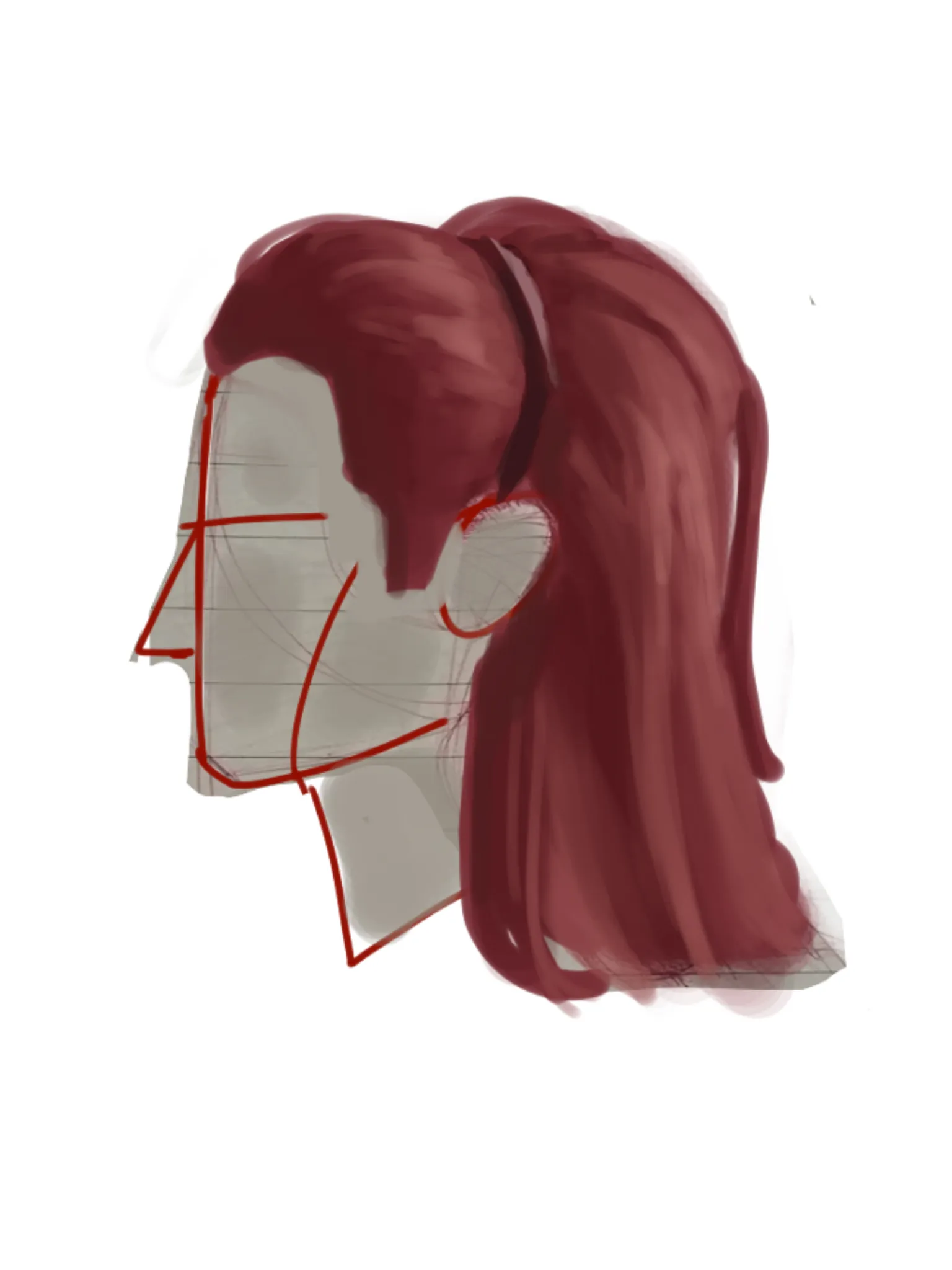
Hi hi! Great start with practice! I encourage you to finish the face. It's good to practice both! Instead of sketching individual hair strands, realistic hair drawing entails mapping the overall shape, establishing value (light/dark sections), and layering. Sketching the hair flow, utilizing directional pencil strokes (flicking), recognizing light and dark forms, blending for softness, and removing highlights to get a three-dimensional impression are important processes. To determine the volume, sketch out the general contour of the hair and the hairline on the skull. Break the hair into big "ribbons" or clusters rather than individual hairs. Think about the flow of hair from the parting line.First, lightly darken the regions that are the darkest. Determine the regions of the hair that receive light—typically a band around the head—and leave them lighter.To create a natural, tapered effect, use directional strokes, pushing harder at the beginning and lifting up at the finish. To ease the transitions between highlights, midtones, and darks, use a cotton swab or blending stump. Use a sharpened eraser (or kneaded eraser) to lift away graphite to create fine, bright highlights. Use a sharp pencil to add individual stray hairs. I hope it helps! Happy learning.
Participez à la discussion
Inscrivez-vous pour donner votre avis sur cette œuvre.