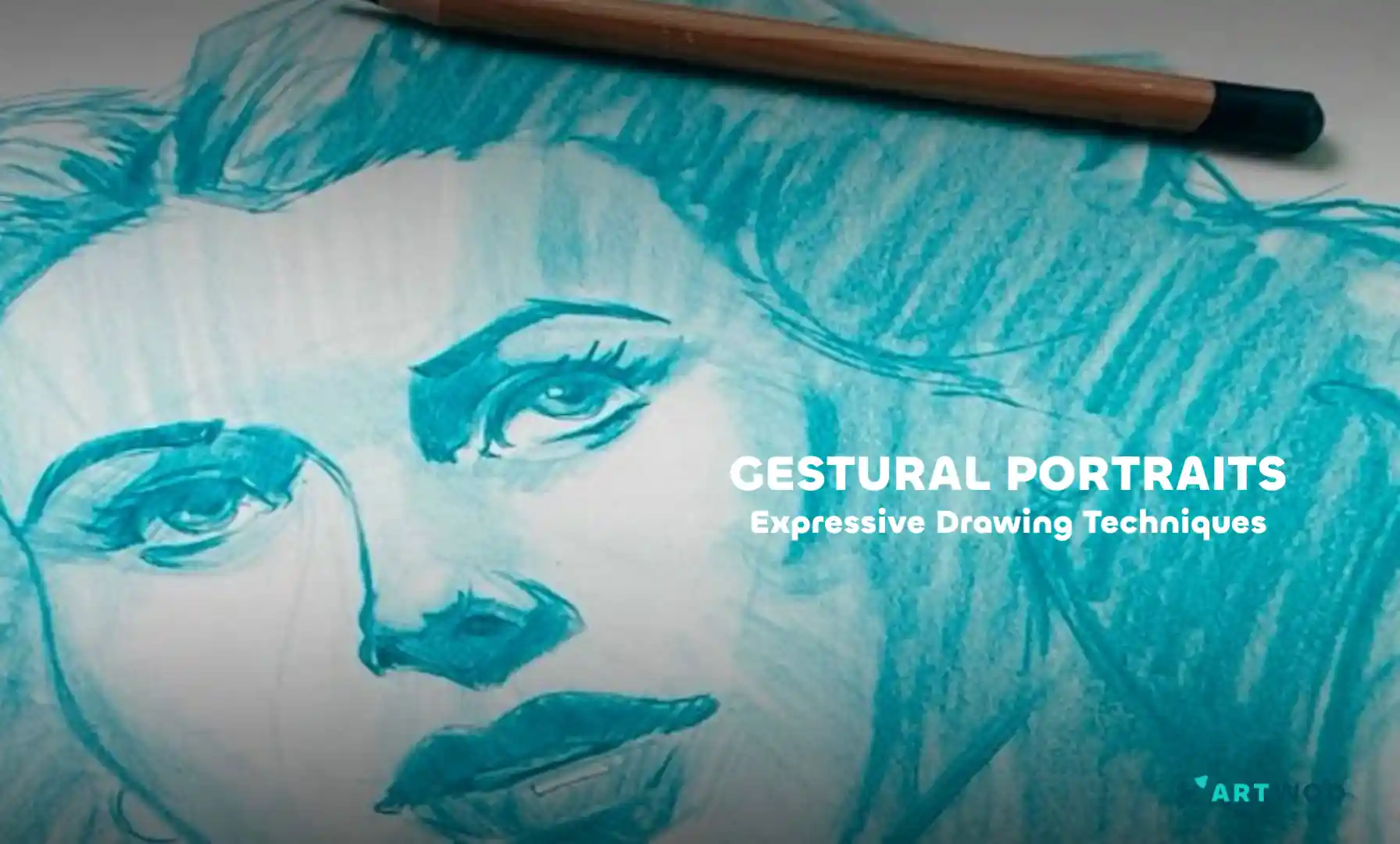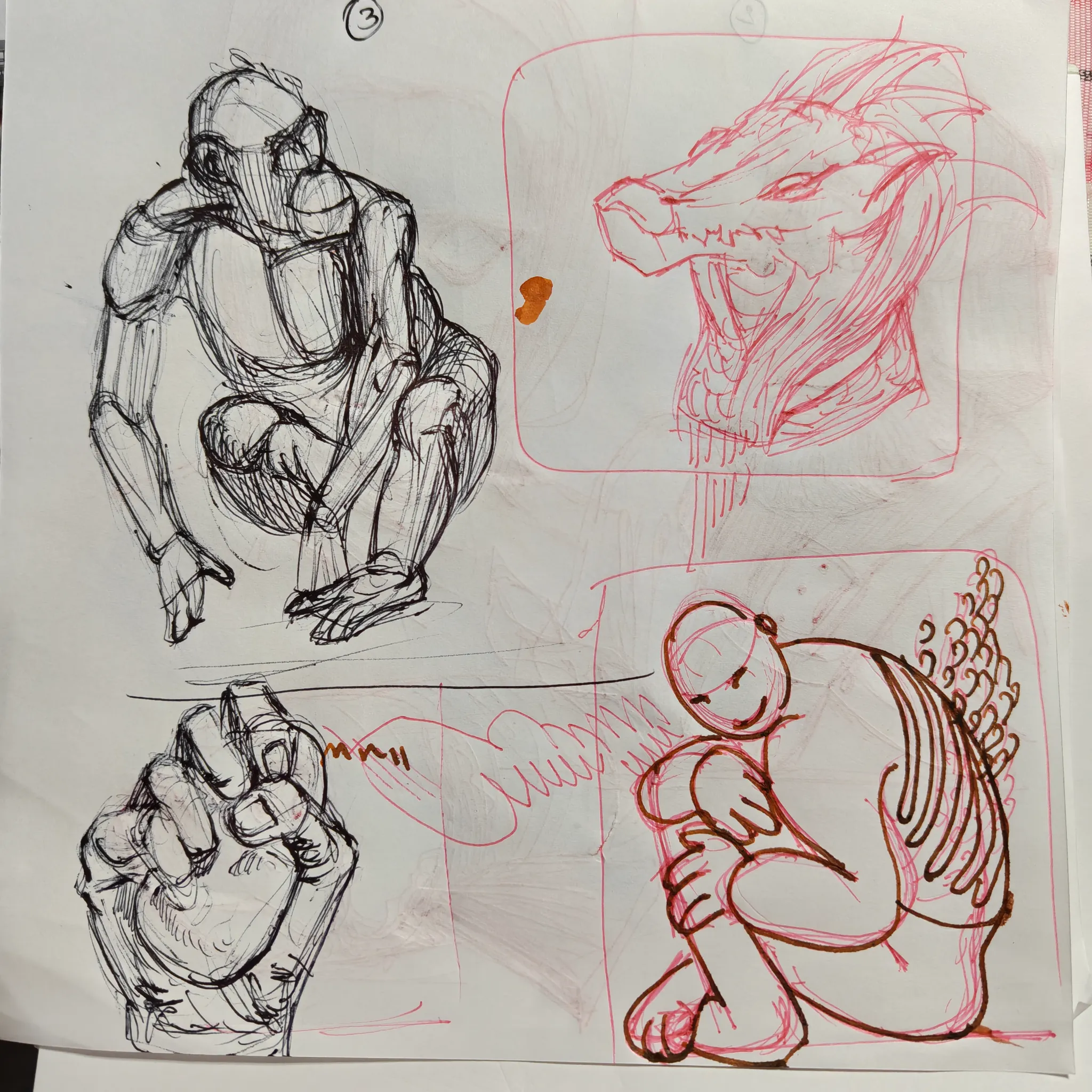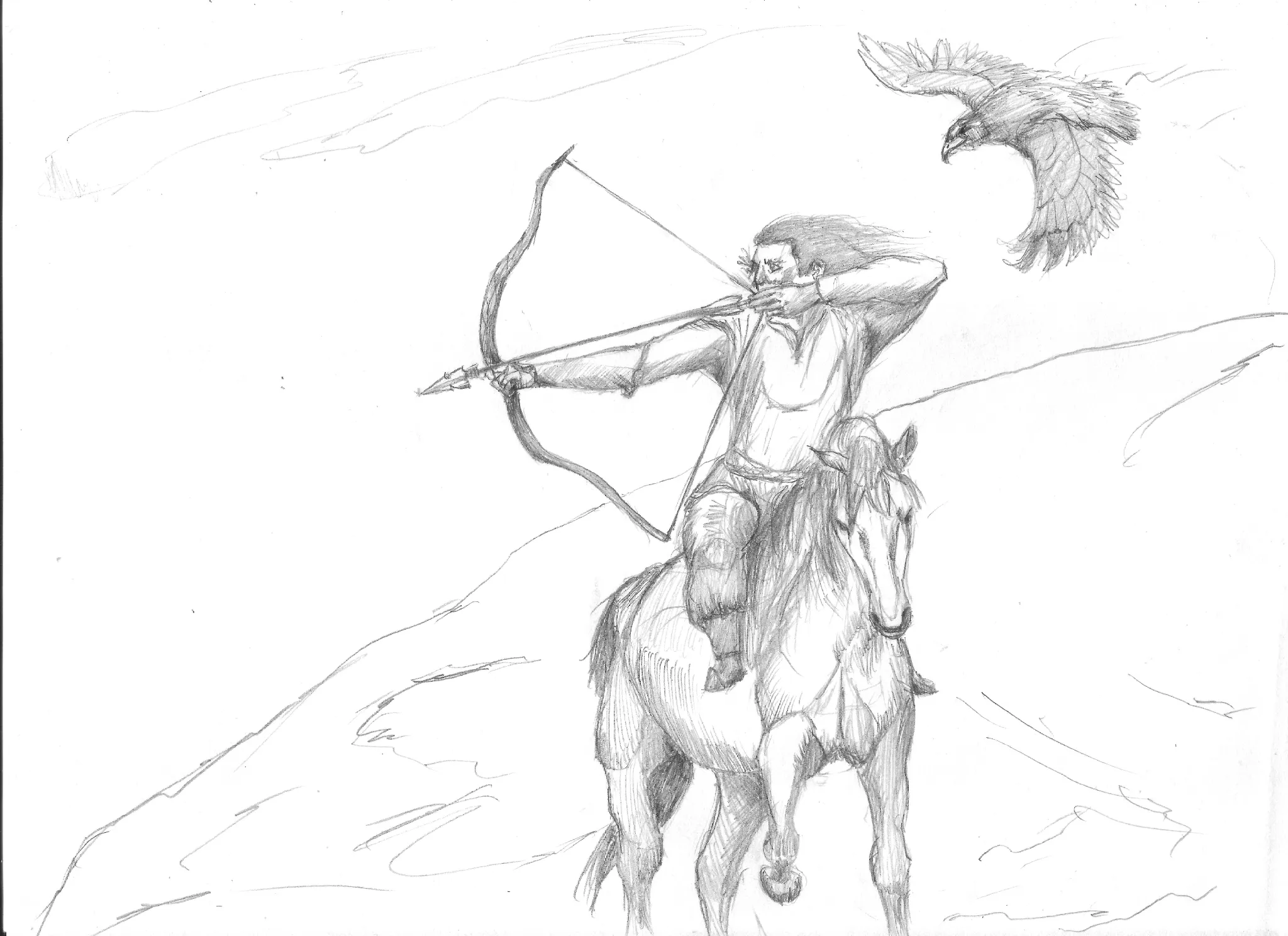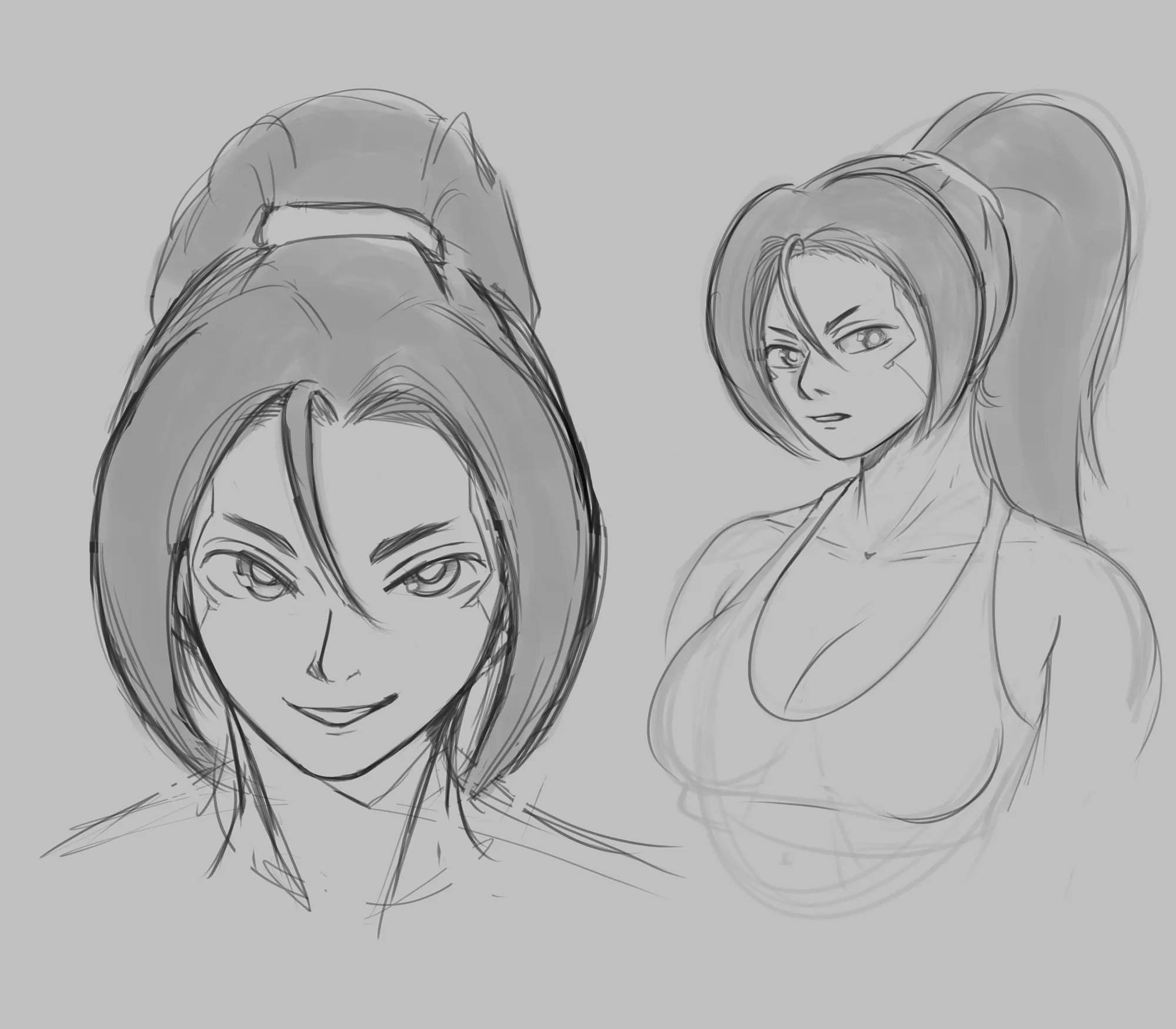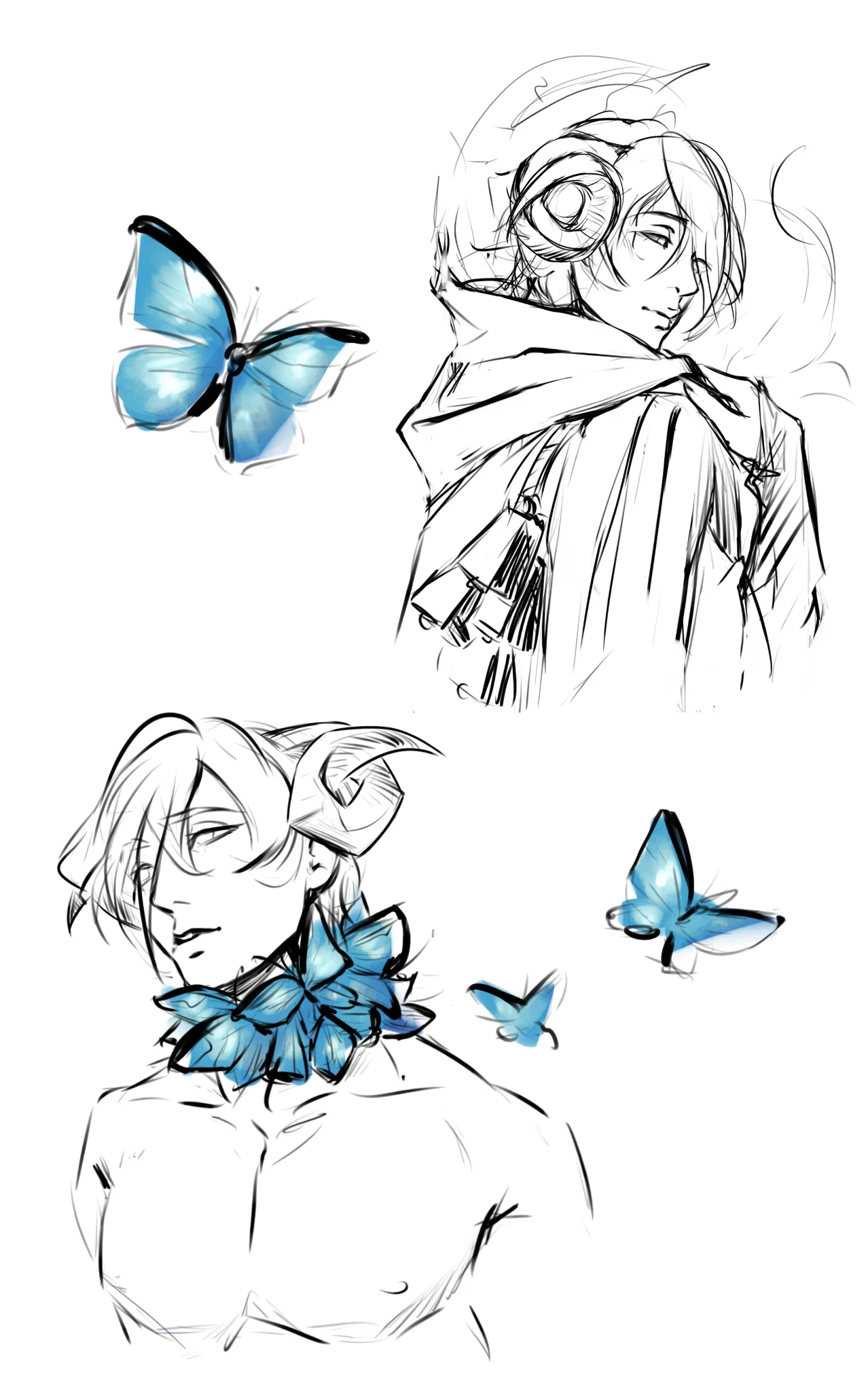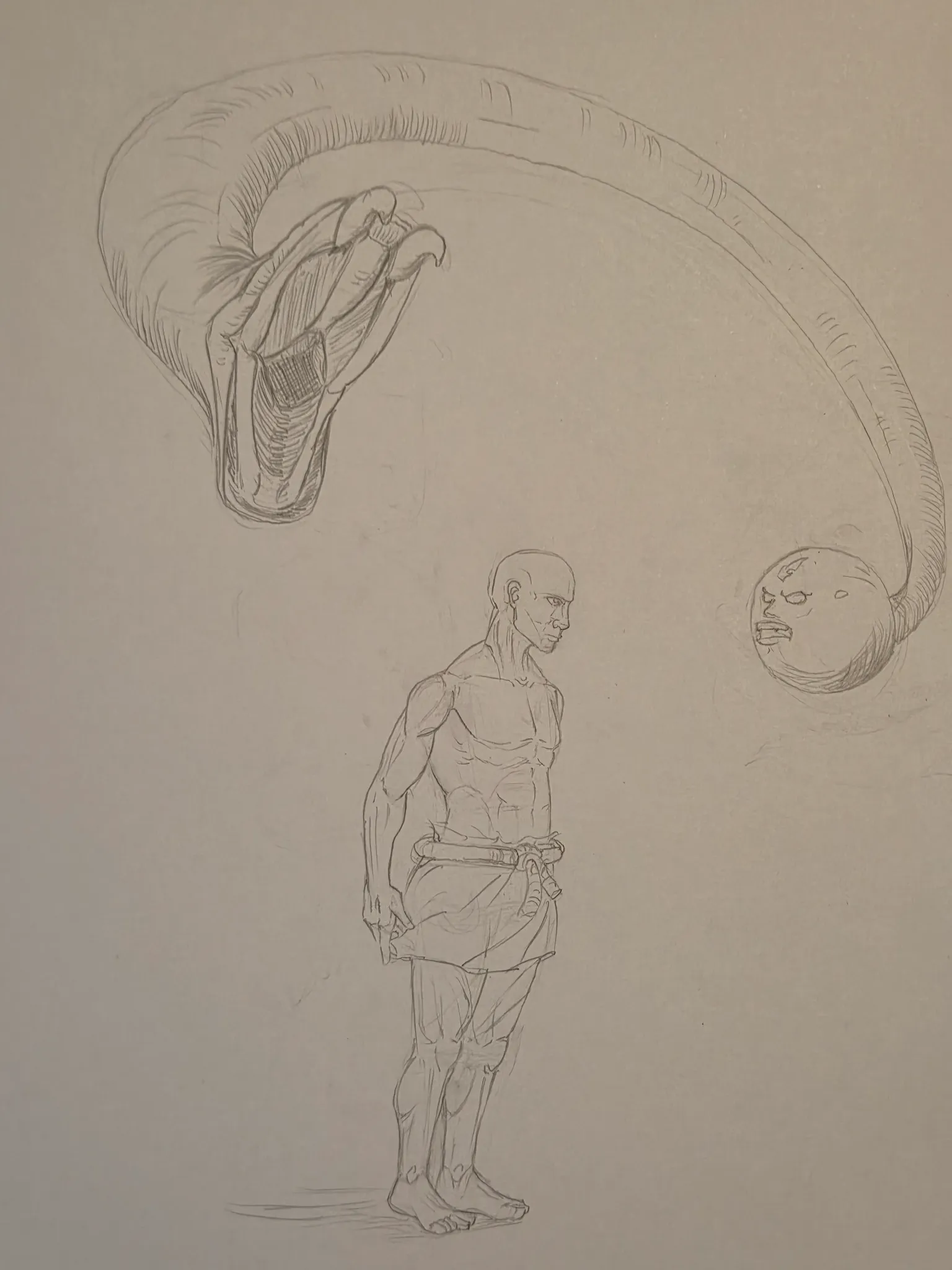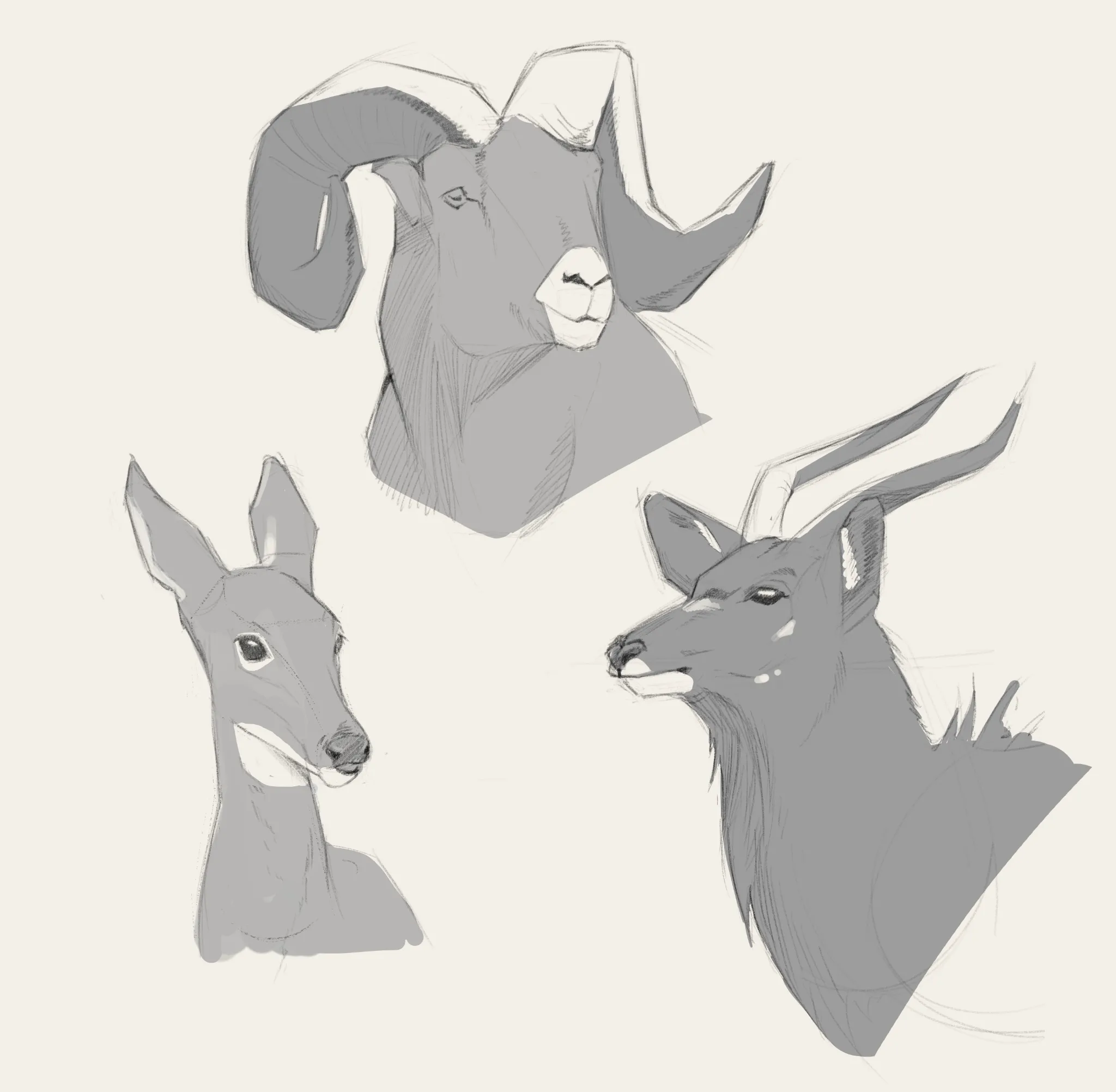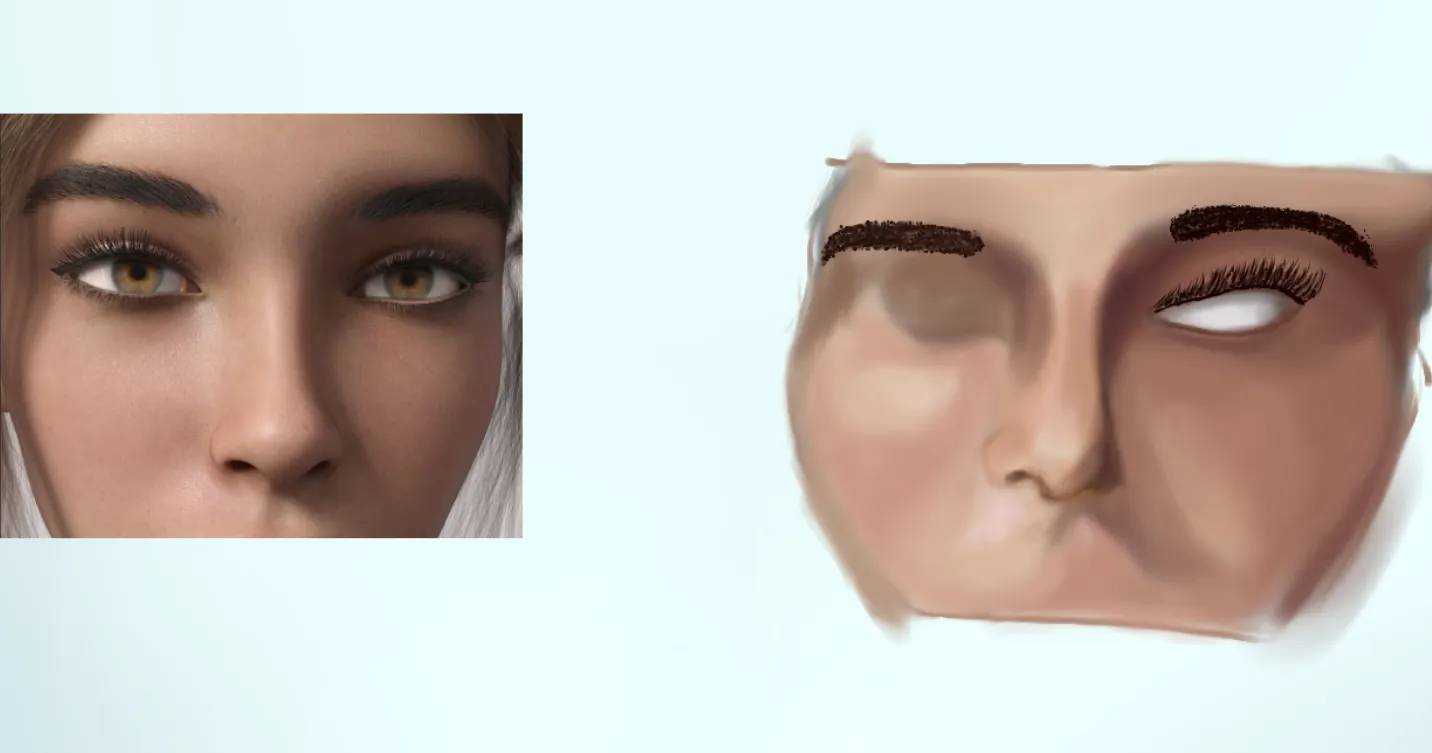
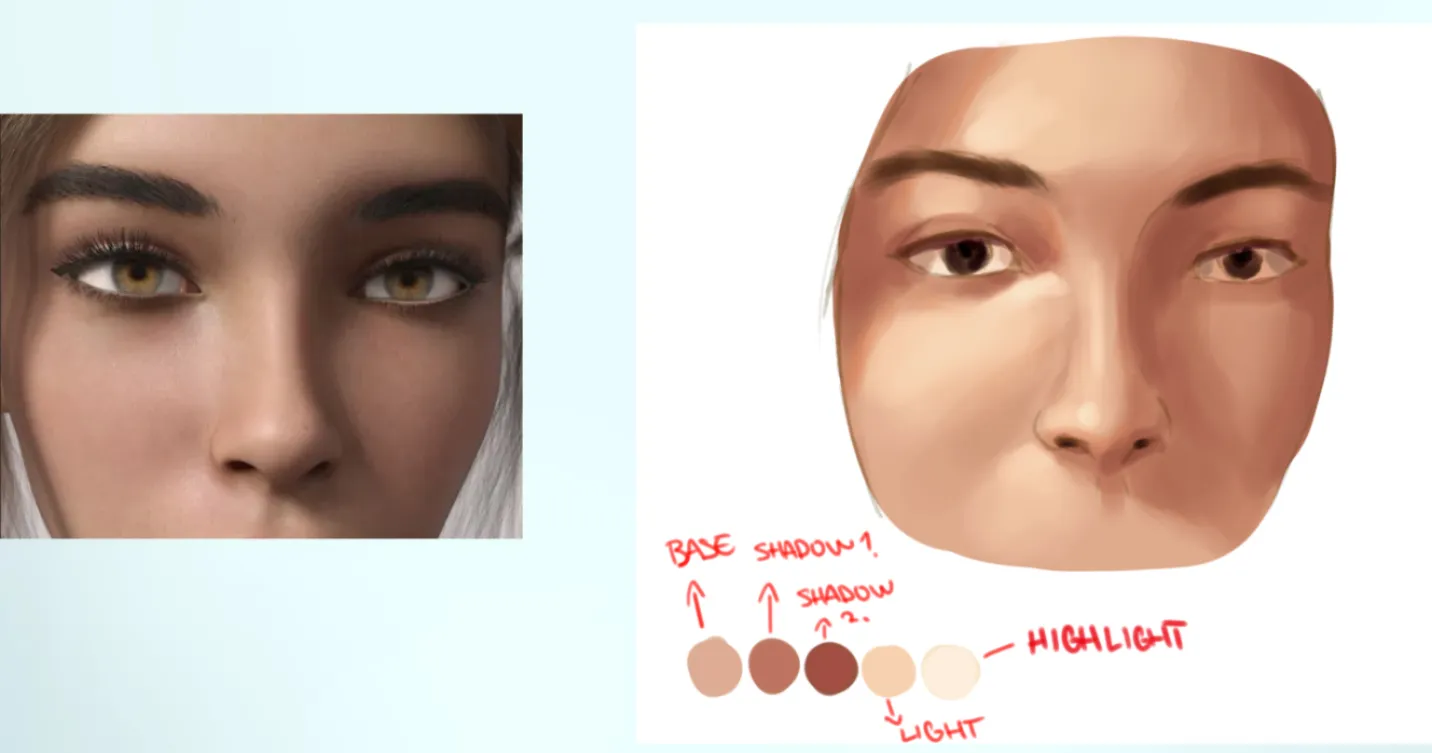
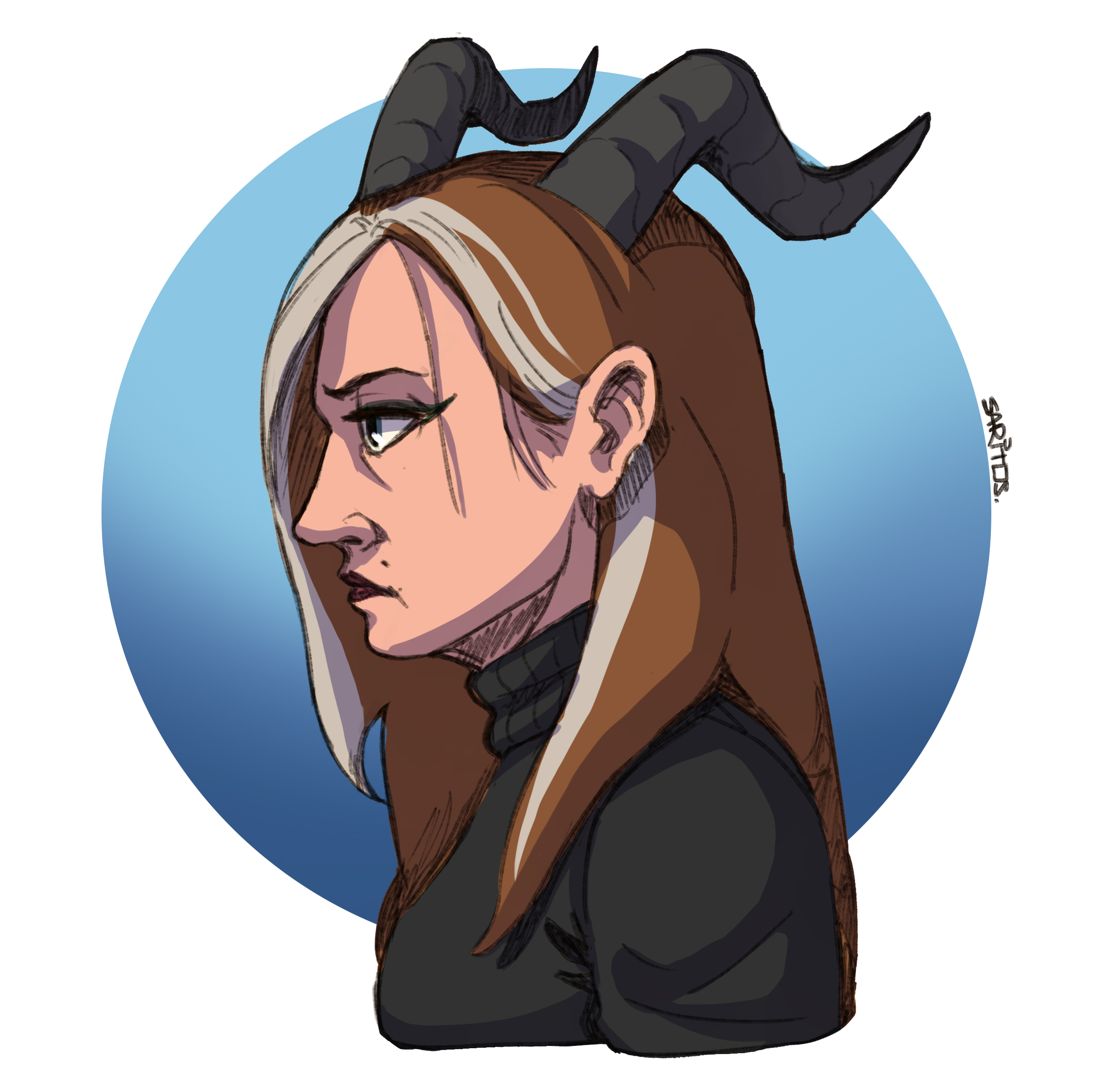
Hi Hi! It is great that you include painting in your exercises. Here are my few tips for good start while rest you can find here in Artwod and various tutorials on Youtube. Establishing a strong base tone, utilizing "planes" of the face to map lighting and shadow, and adding color variation—such as reds, yellows, and blues—instead of merely white and black for realism. On a different layer, begin with distinct line art. You can trace your artwork to get better at drawing figures if you are only practicing coloring.A neutral foundation color that is not very light, dark, or saturated should be applied to the skin region. The base skin layer should be positioned over the background. To maintain colors inside the lines, use "Clipping Masks" when shading layers. Prior to darkening, determine where the light strikes. This is really important, and I strongly advise staying away from references that have very little or no light. Strong lighting will make mapping easier. To eliminate shadows, use a slightly cooler, darker hue, paying particular attention to the nose, eye sockets, and beneath the chin. To gradually build up tones for mid tones, use a brush with a lower opacity. Describe Color Variations: Reds/Pinks: On the nose, ears, joints, and cheeks; Yellows/Oranges. Blues/Olive Greens: Under the eyes or in shadowed places on the forehead and lighter areas.To represent light traveling through skin, add intense orange or red at the terminator—the line between light and shadow. Do not mix everything together. Apply harsh brushes to regions with sharp shadows, such as under the nose, and soft brushes to areas like cheeks. Use soft edges to imply a three-dimensional form and strong edges to define it. Hope it helps! Have fun learning!
Participez à la discussion
Inscrivez-vous pour donner votre avis sur cette œuvre.