Want to store your feedback?
Sign up to store all your feedback in one place on your account. Your feedback will be private instead of public.
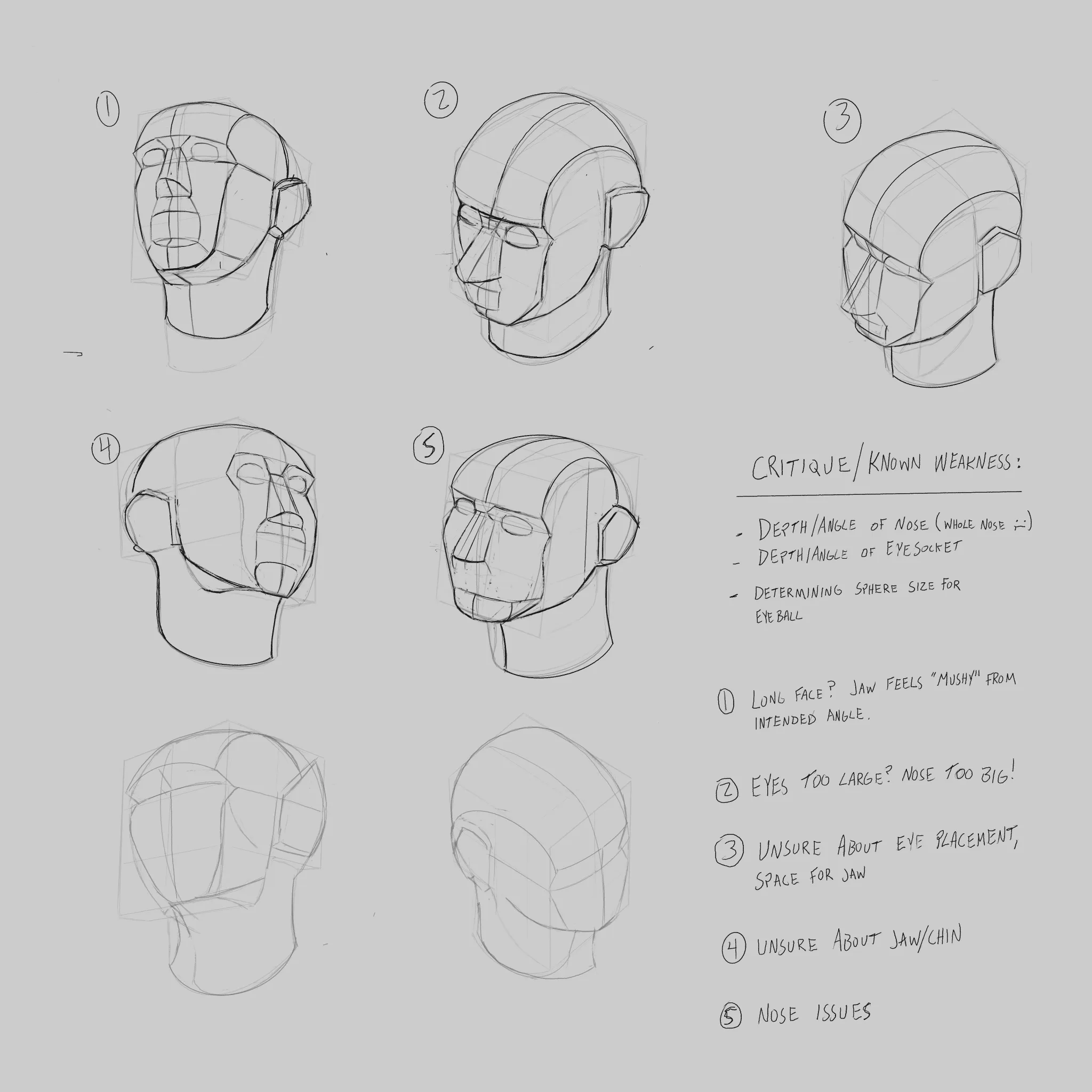
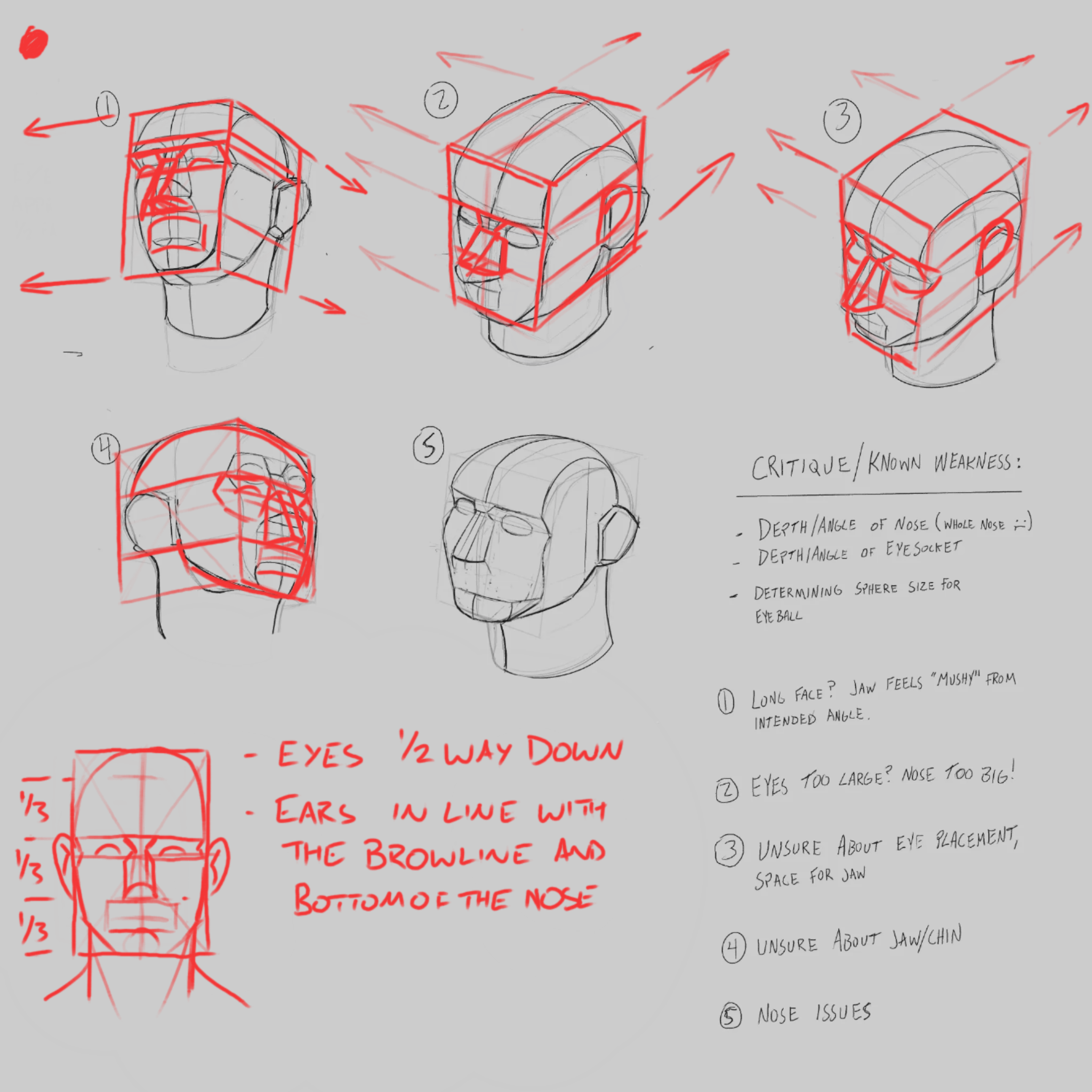
Paintovers
Paintover Notes
Choose a paintover
Pick a user avatar to see their paintover notes and discuss them.
Also struggling with perspective & form?
Improve your depth and 3D understanding, a 3 min read
How to Draw Portraits: A Step-by-Step Guide for Beginner Artists
Master portrait drawing by progressing through head structure, simplified features, anatomy, stylistic exploration, observation practice, and imaginative creation.
Portraits
Would you like to help someone who's still waiting?
Perspective and Form
No responses yet
Ellipses in boxes
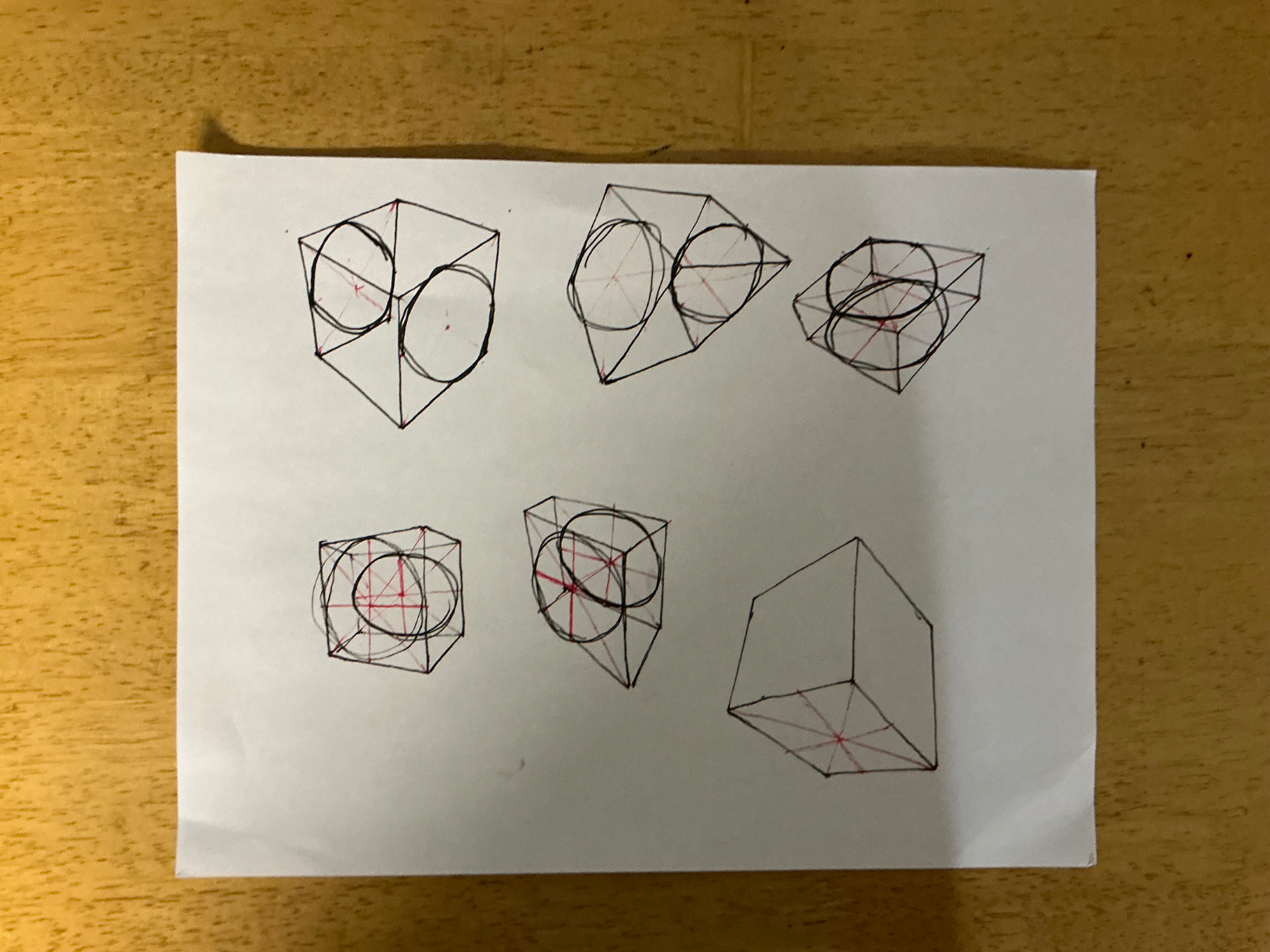
I’m trying to figure out my biggest issue with ellipses. I can usually draw a fairly smooth ellipse when it’s just floating on the page, but as soon as I have to fit it inside a box or align it to a minor/major axis, it becomes much harder. I feel like I’m trying to do two things at once: keep the ellipse smooth while also making sure it’s properly aligned. When I focus on alignment, the ellipse tends to develop flat spots, become asymmetrical, or lose its smoothness. When I focus on smoothness, the alignment is often off. I draw from the shoulder, and when the ellipse has to fit inside a specific space, I almost feel restricted compared to drawing a free-floating ellipse. My cylinders seem to suffer from this because the ellipses stop feeling clean and symmetrical.
1 hour ago
View
June 30 Sketchbook Pages Challenge
No responses yet
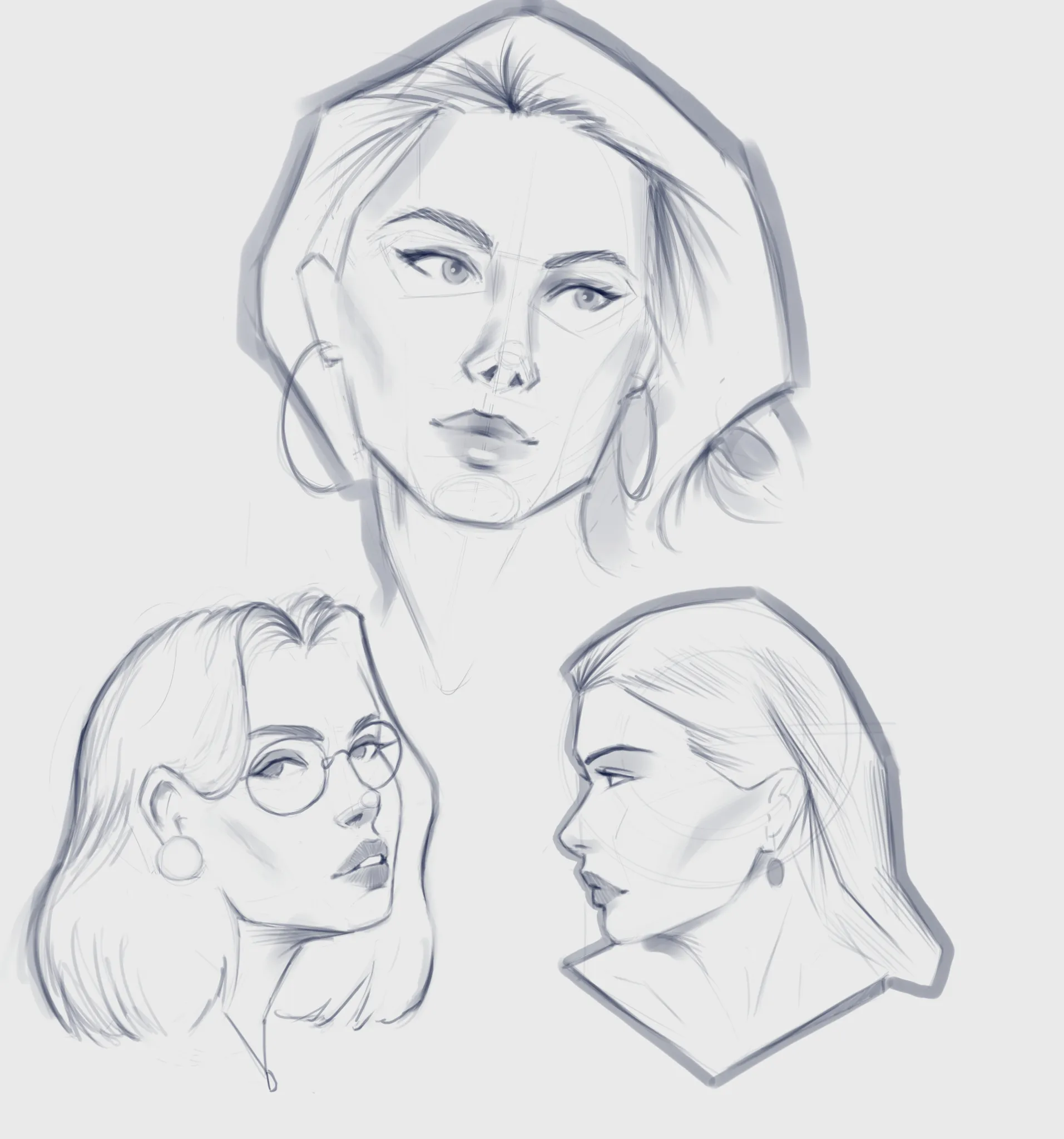
24th June submission
Made one from imagination and 2 from reference. I for sure struggle with same face syndrome when drawing from imagination.
1 hour ago
View
June 30 Sketchbook Pages Challenge
No responses yet
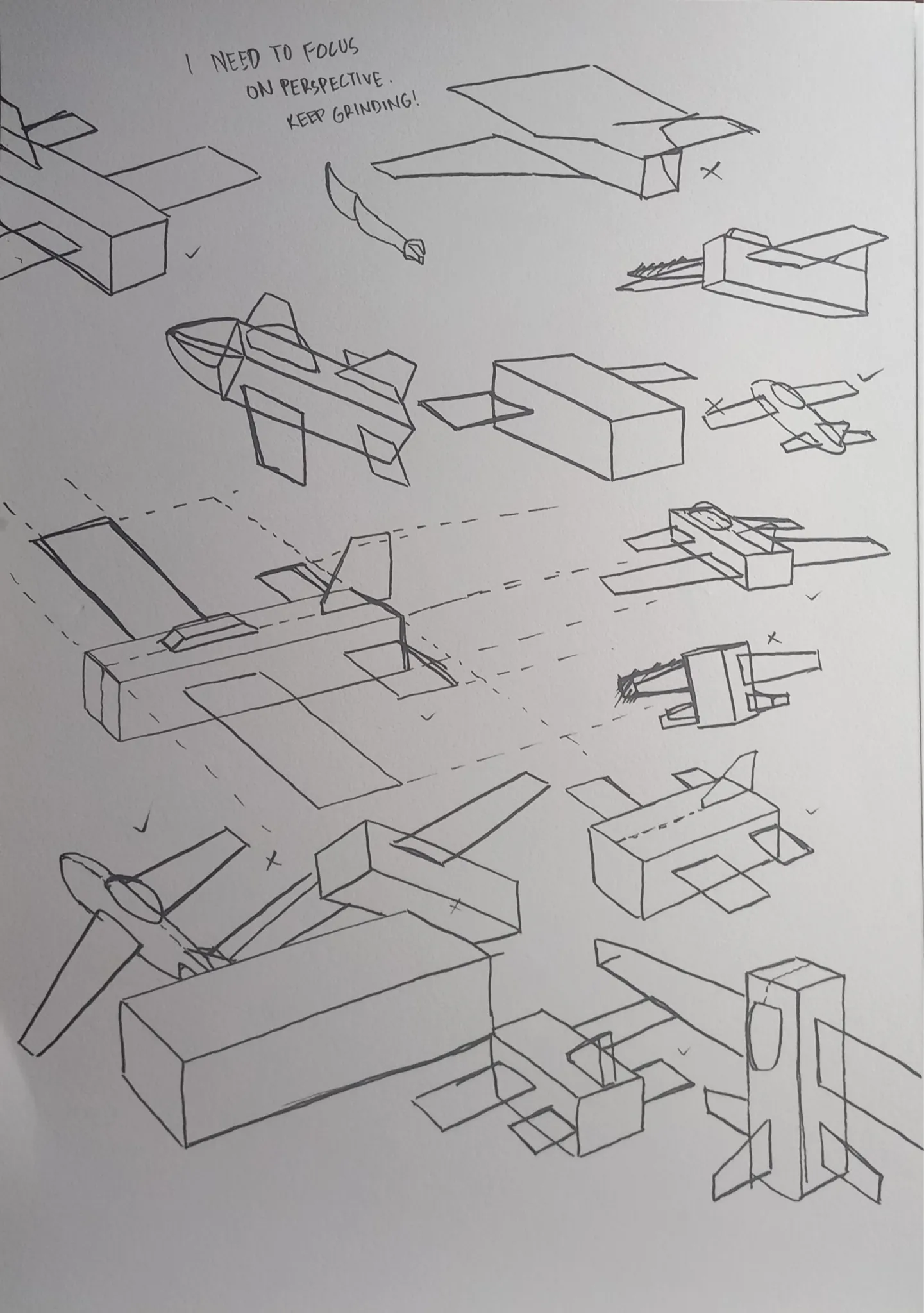
June Sketch Day 24
Back at it again, with all these blocky planes xD. I'm having fun with this since i know the form of each block, i kinda went all out with different angles. I found my go-to practice, thanks to Fosco, Marco and Christopher. I will keep hammering at this practice until i'm comfortable to draw planes without guiding lines. From their feedback, i thought that i needed to work more on perspective, and proportion. Hence, why i made all these blocky shapes, to ease my understanding with planes but in simple forms. For the two real planes, I also worked on proportion by following the corresponding line from the front tube to the back of the mainframe/rudder. It's still messy, but i hope it'll get better if i keep practicing. Shoutout to Fosco, Marco, and Christopher, you guys are awesome.
1 hour ago
View
Figure
No responses yet
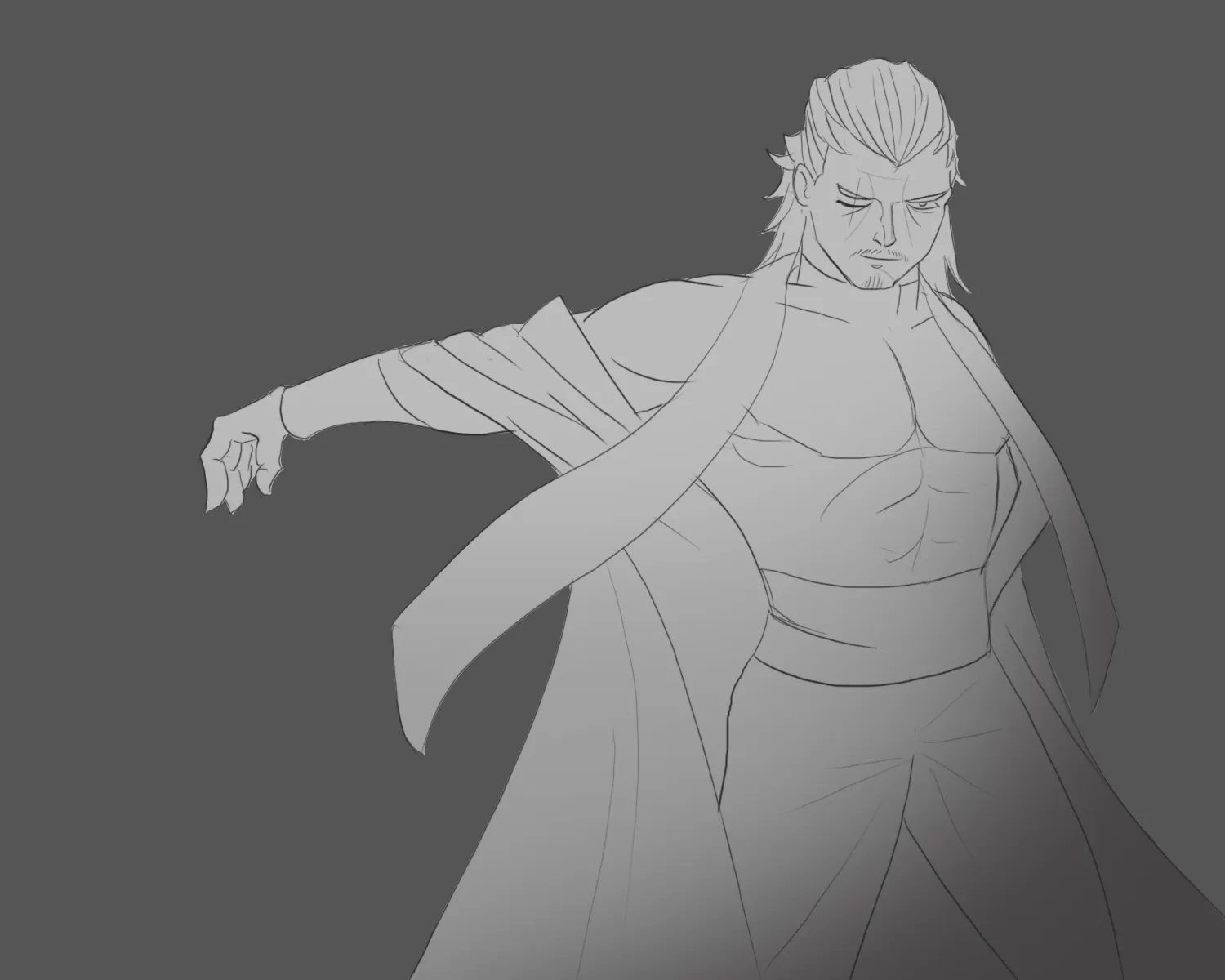
Need help checking proportion
Hi guys, I feel something off about arm and torso proportion. Pls help me check, I draw alone for 4 months with no feedback and I'm craving it a lot. If you have suggestion for other parts, feel free to correct me. I need it a lot. Thank you so much.
2 hours ago
View
Rendering
No responses yet
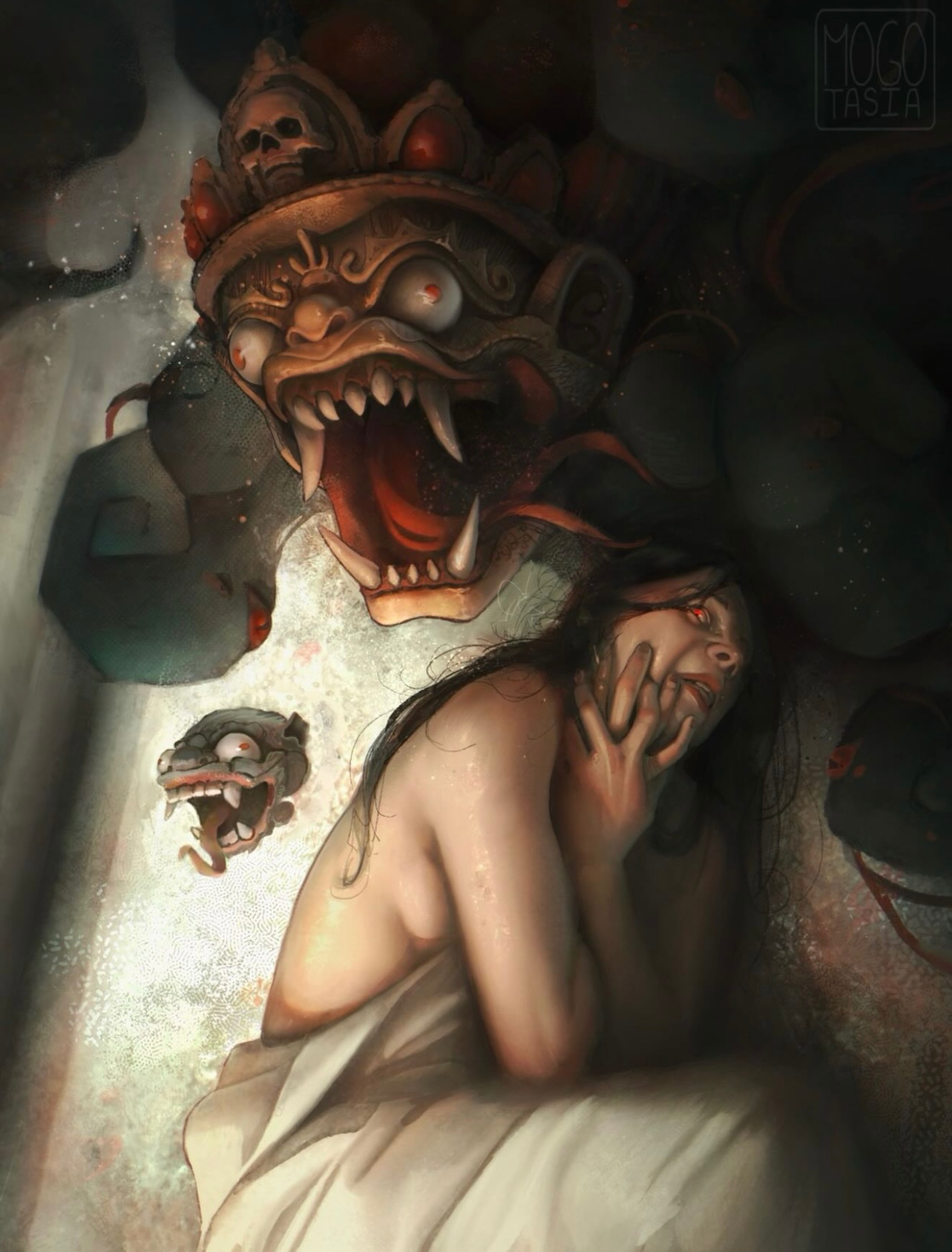
Personal Illustration
Hi! It’s my first time posting here! I’m looking for some feedback regarding my values / shading. I feel like I keep going too dark with the shadows and lose a lot of the form, but when I add bounce light I feel like my shadows start getting too contrasted (as in there is no clear shadow vs light shapes). I’m wondering if this is an issue of the core shadow not being dark enough, thus making the bounce light too light in comparison. I also feel like I am struggling showing that the mask is more in the forefront compared to the girl, and am also struggling showing that all these elements are in the same environment (as in, should I have some color from the mask bounce on her skin or the smoke to make it more believable?) I feel like I also struggle with over rendering a lot, so I’m thinking if I’m able to nail down the forms and showing them turning in space more easily, maybe that can fix that problem. I did struggle a bit with this illustration, as I kept moving a lot of elements around. Any feedback is appreciated, thanks!
2 hours ago
View
Environment
No responses yet
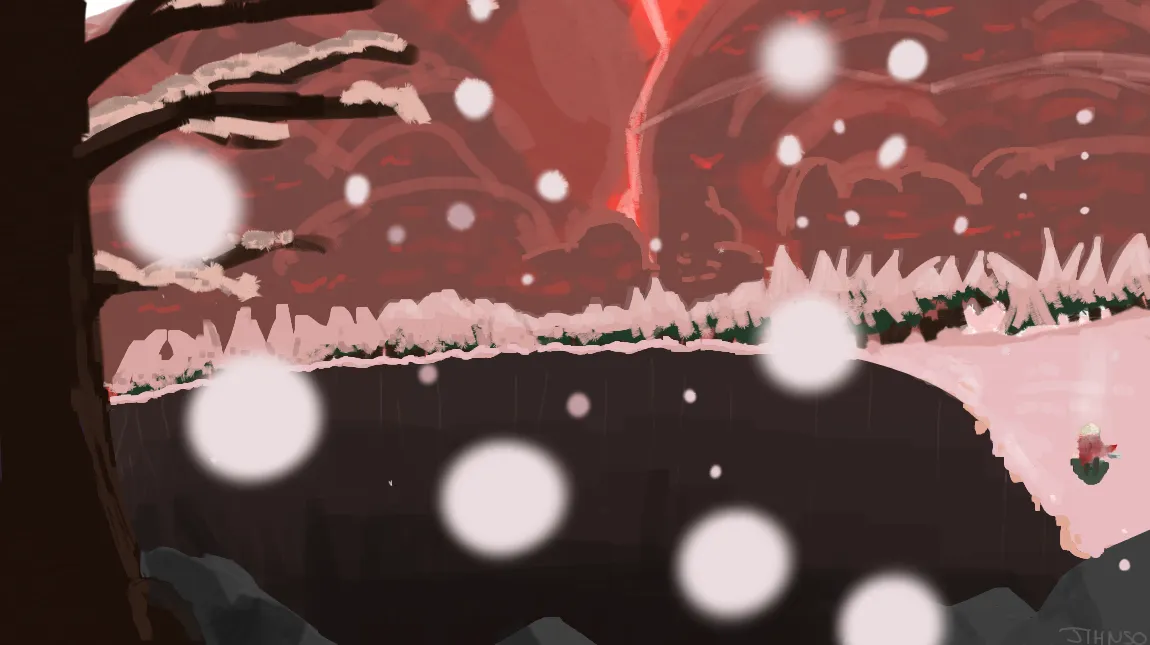
End Times
Would love to have critics, especially on the composition and the perspectives, i feel like i could have done better on those. Also i don't know how to make it seems like the holes is massive and that the earth have been lauched from below.
2 hours ago
View
June 30 Sketchbook Pages Challenge
No responses yet
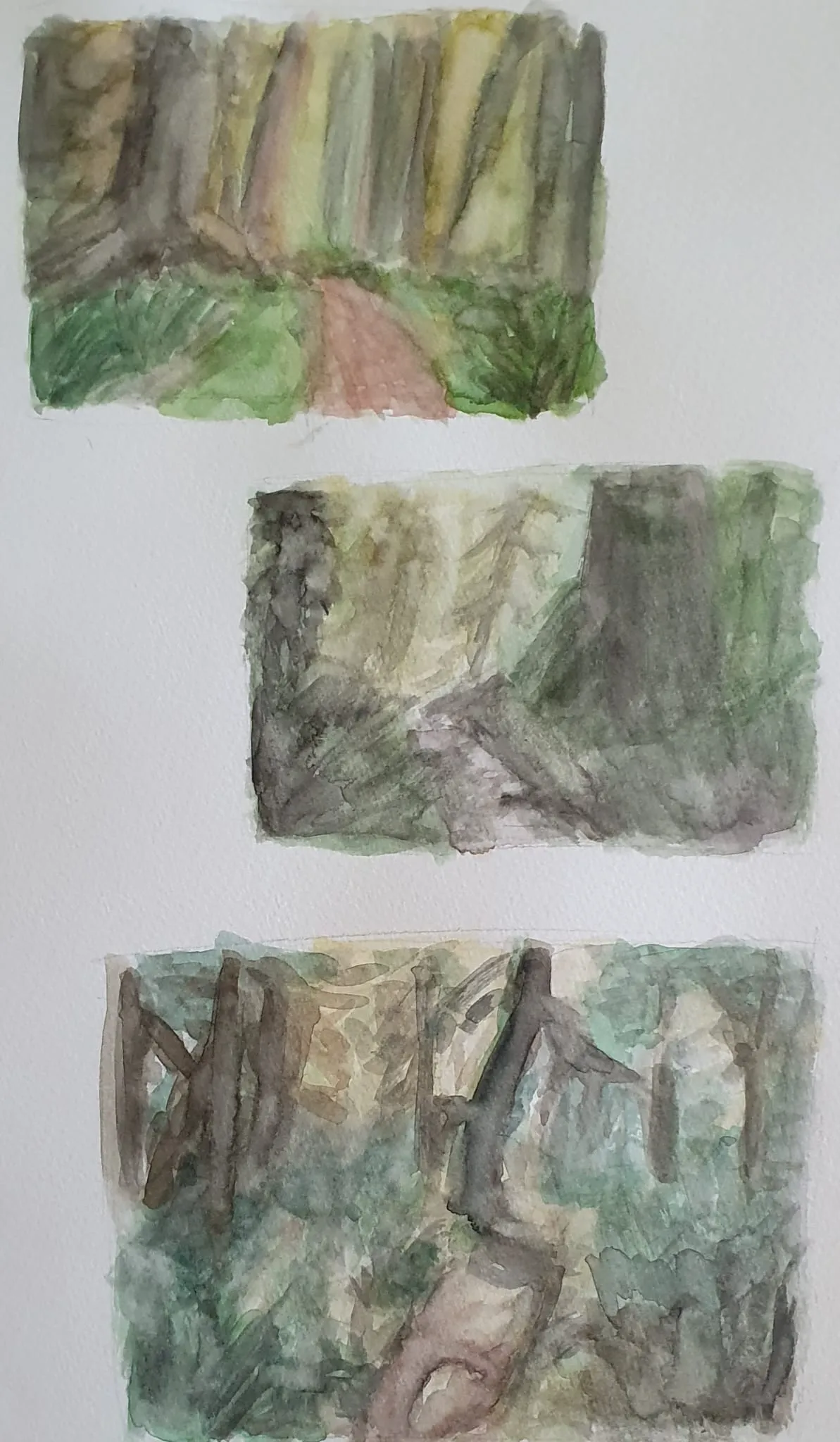
Watercolor forest scene
Some quick watercolor forests. I wanted to do it because I liked the lighting and composition. But it's a bit too sketchy. Still need to improve watercolors.
2 hours ago
View
Figure
No responses yet
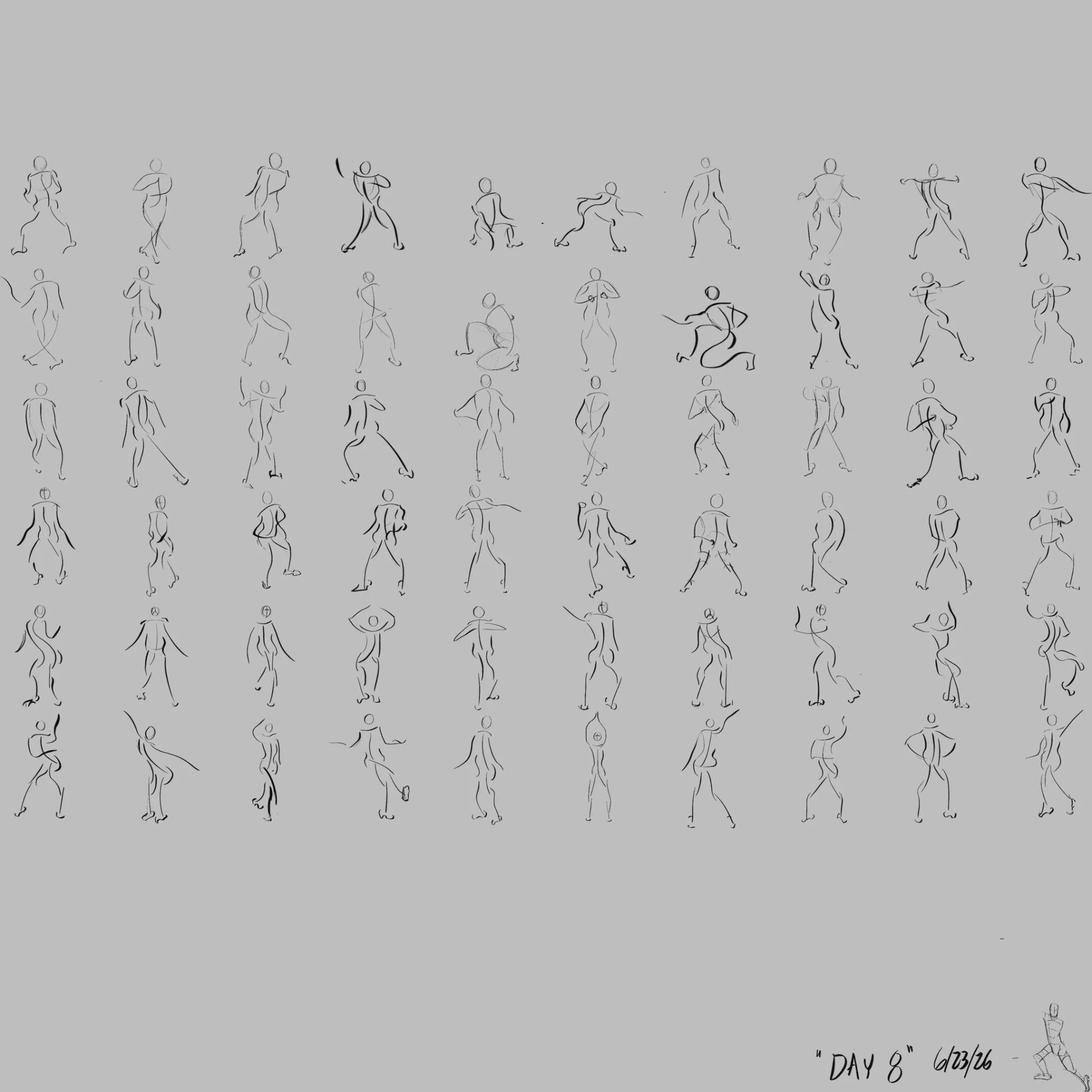
Gesture Practice
My first week of gestures have been an attempt at establishing a daily practice in building familiarity with the flow of a figure in dynamic poses. I am still trying to figure out what method works for me or what is comfortable when it comes to this practice. My next goal is to begin applying a little more construction - better indicating directionality (twists) of elements like the torso and hips without while understanding how to keep my flow intact. Helpful feedback: (1) Moving from "Implied torso/hips" to "Intentional" (2) Anchoring/giving weight to the pose through legs and feet (3) Overall clarity
4 hours ago
View
Figure
No responses yet
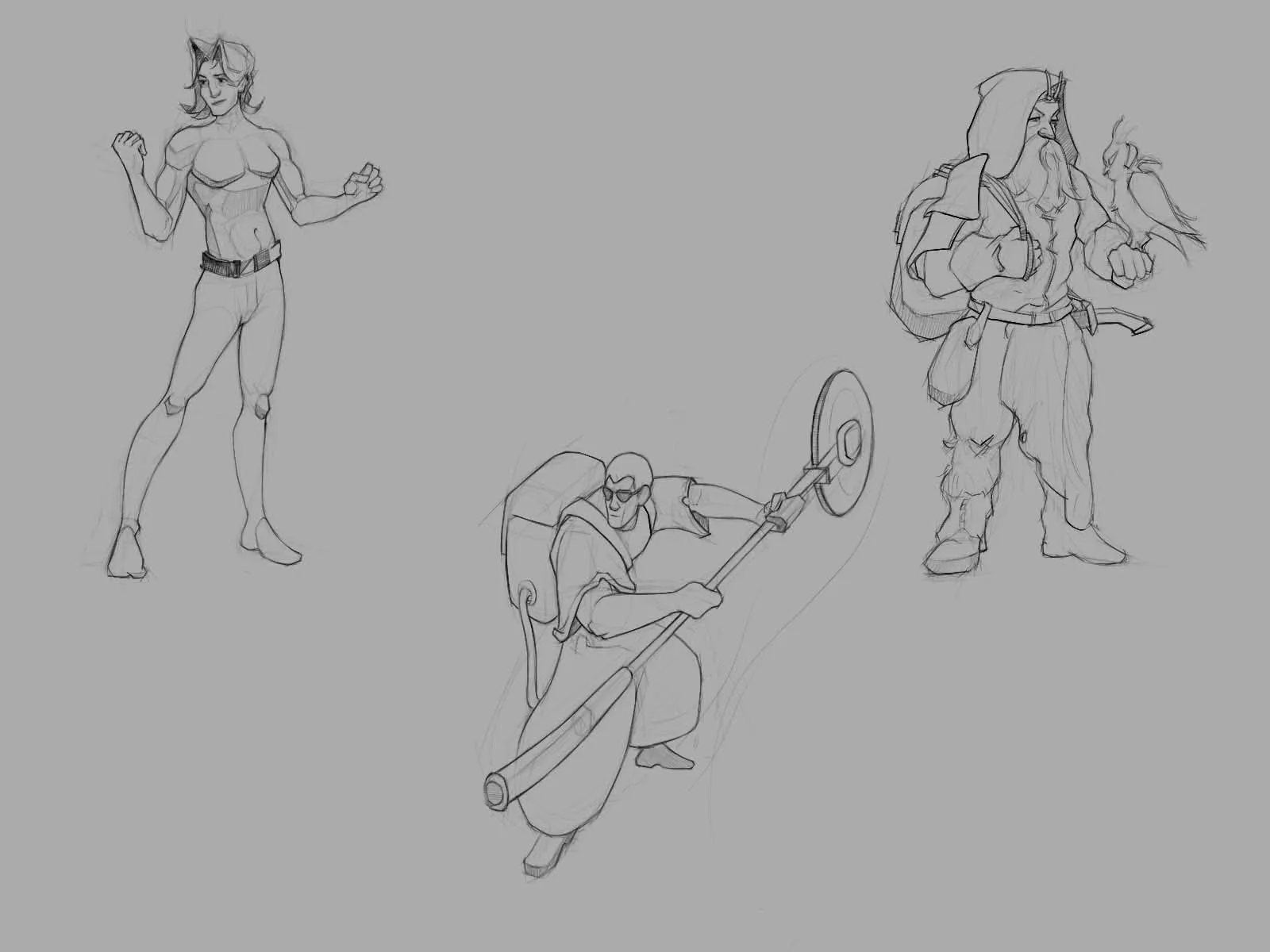
Sketches
Line quality, shape language, flow
5 hours ago
View