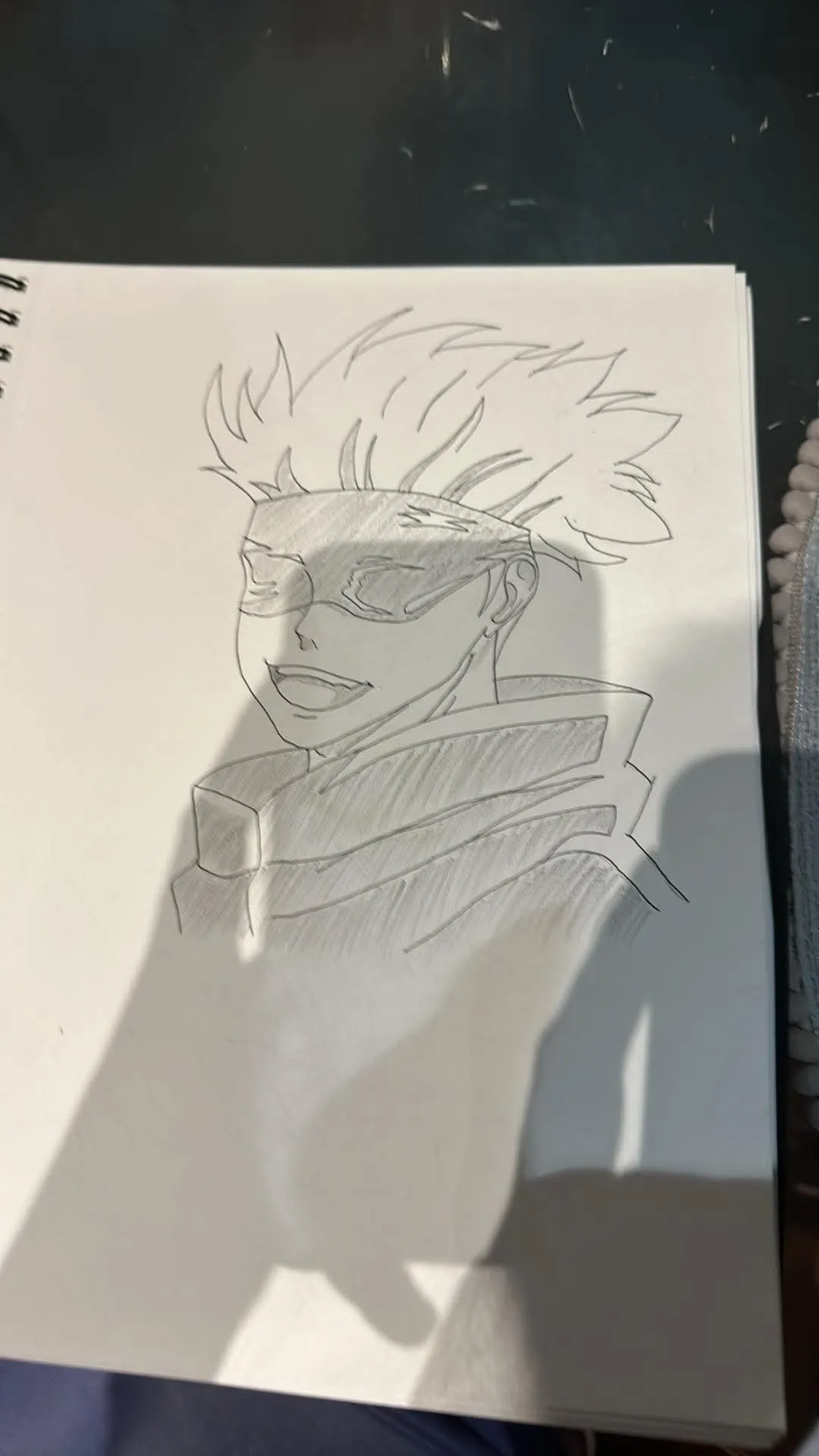
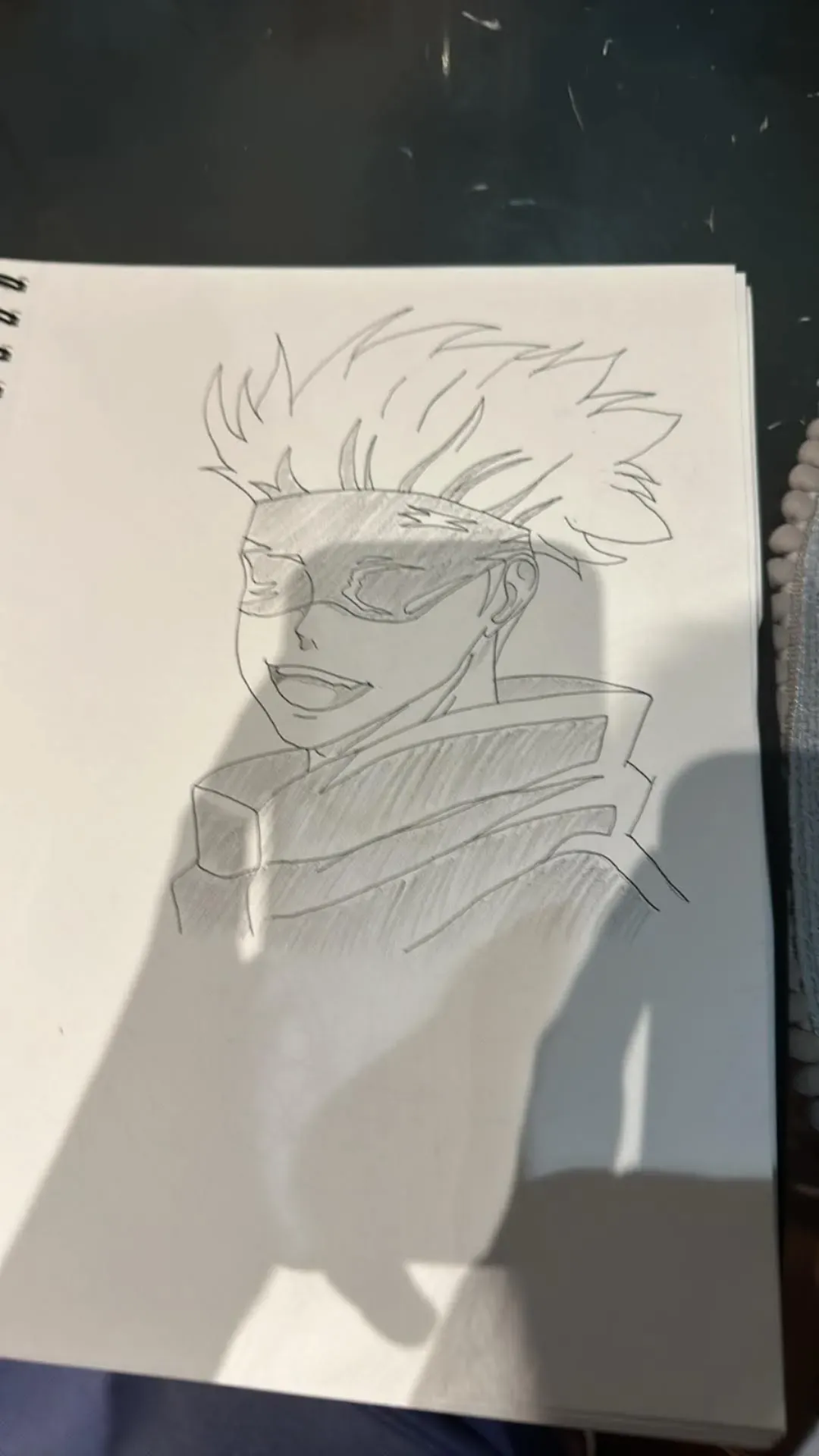


To improve the structure and readability of your character, consider these foundational adjustments for your facial construction: The Loomis Method Foundation: Start by sketching a perfect sphere to represent the cranium. Flatten the sides to define the temporal planes, then draw the brow line and the base of the nose line. The distance between these two lines should roughly equal the distance from the base of the nose to the chin. Central Axis Alignment: Establish a vertical centerline that curves according to the perspective of the head. This ensures that the eyes, nose, and mouth remain centered and aligned with the head’s tilt, preventing the features from sliding off the form. Jaw and Mandible Integration: Anchor the jawline firmly to the base of the skull rather than treating it as an appendage. Visualize the jaw as a three-dimensional box or wedge that locks onto the sphere, which helps maintain consistent depth regardless of the camera angle. Eye Socket Placement: Position the eye sockets (the orbital cavities) deep within the skull structure. Instead of drawing eyes on the surface, represent them as spheres set into these recessed areas to create a sense of weight and volume beneath the brow ridge. Ear Placement: Utilize the side planes of the head to place the ears between the brow line and the nose line. Keeping these anatomical landmarks consistent will automatically ground the rest of your facial features. These guidelines are essential for maintaining 3D integrity. By establishing these markers first, you ensure that the facial features wrap around the head’s volume rather than appearing like stickers placed on a flat surface. Prioritizing these construction lines will help you maintain consistent proportions even when experimenting with more complex or extreme angles. otherwise a good drawing
idk if every loomis landmark needs to go in first, maybe set the eyes back in the sockets a little and drop the jaw as one simple wedge so the face has depth before you add the rest of the construction lines