How to Find Time to Draw With a Full-Time Job: A Guide for Busy Artists
How to Find Time to Draw With a Full-Time Job
Here's a big myth for you: you need a big chunk of uninterrupted time to make real progress. A few hours minimum. You also need a proper setup and the right headspace. And since those conditions rarely align with a full-time job, a commute, a family, and a life - you don't draw. You wait for the weekend. The weekend gets busy with laundry, groceries and spending time with family. So you wait for next weekend.
Here's what to do.
1. Stop waiting for the perfect session
The biggest time thief isn't your job. It's the belief that anything under an hour isn't worth starting. This is not true.
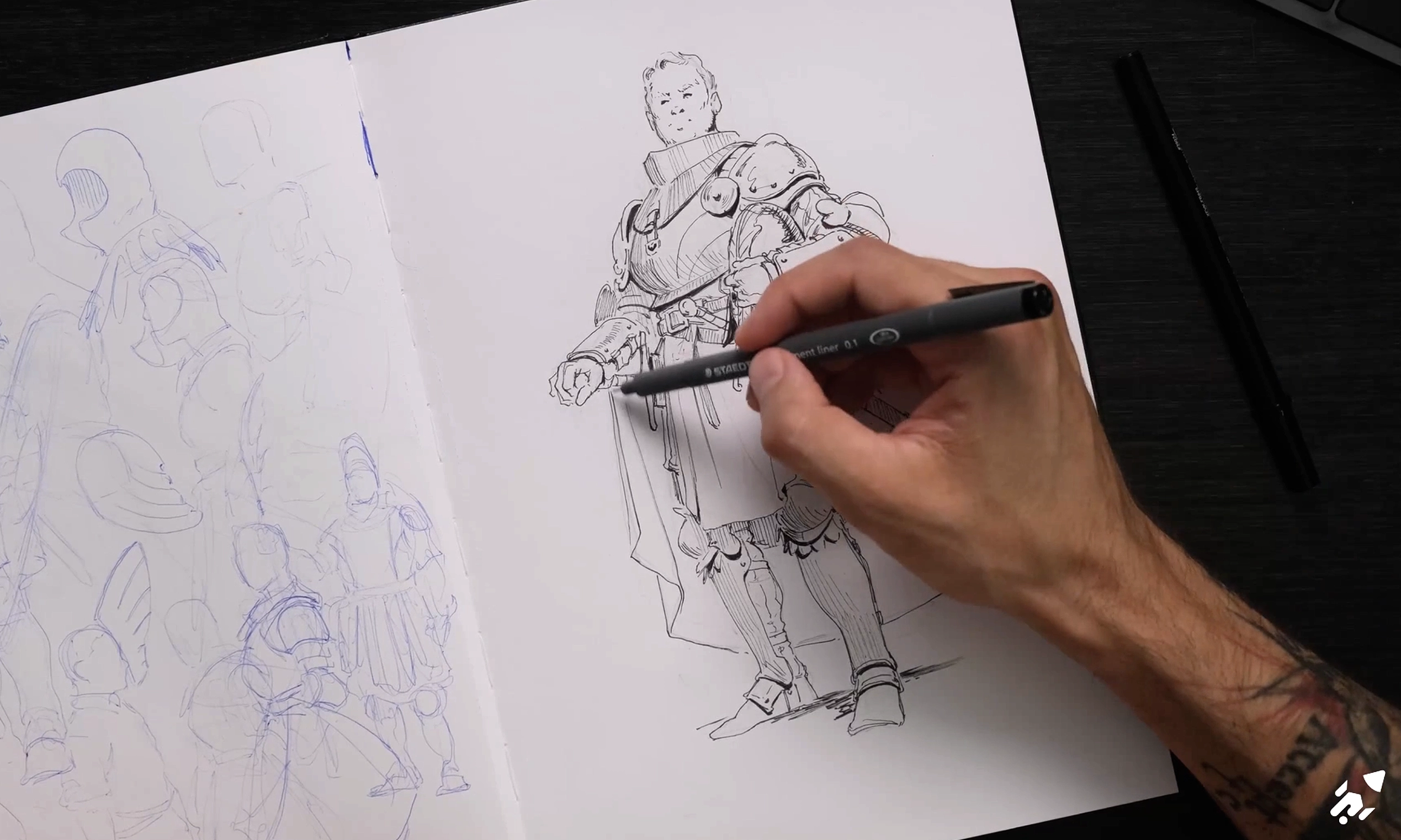
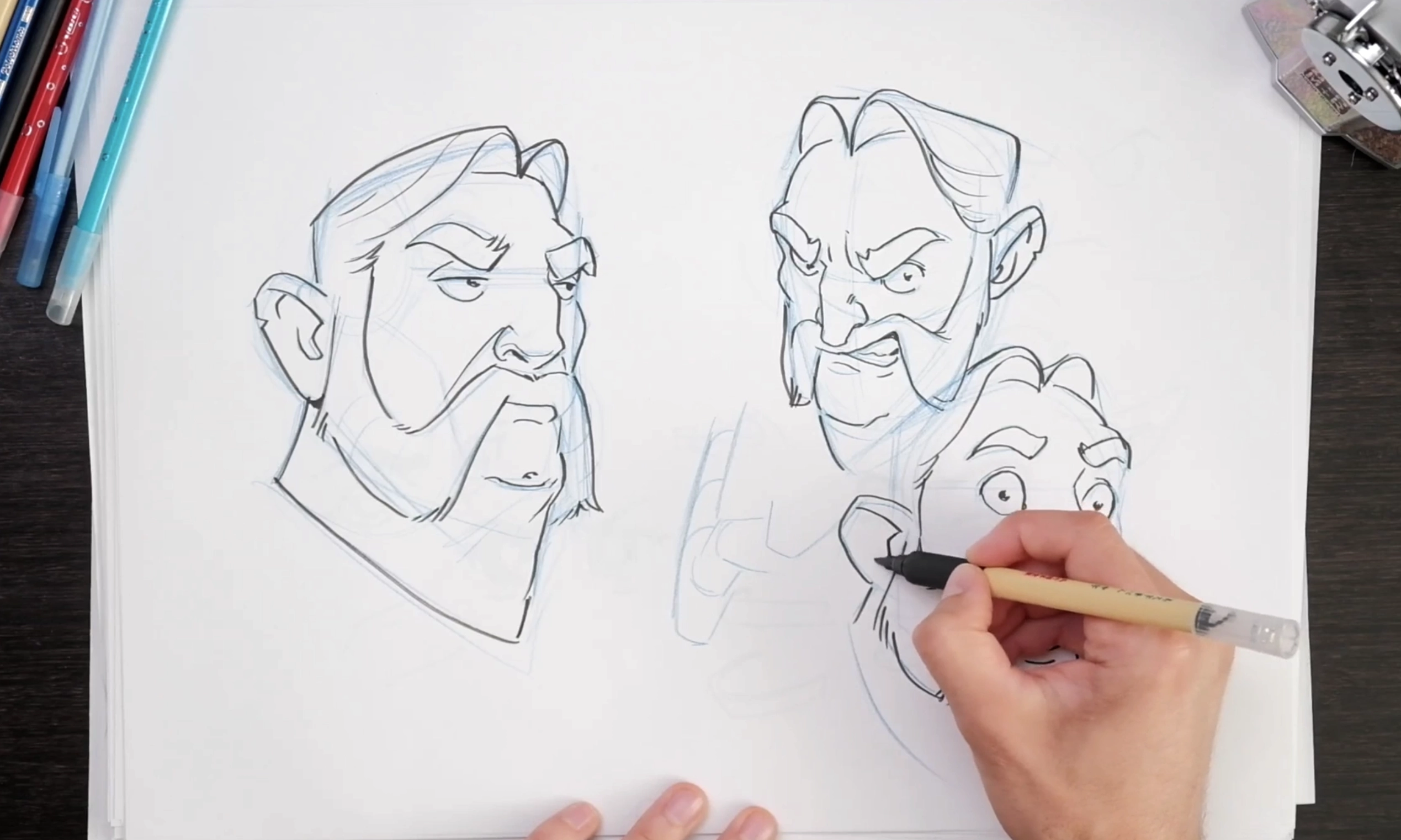
A 20-minute sketch is real practice! A 15-minute value study teaches you something important.
The habit of showing up in small windows builds faster than occasional long sessions followed by long gaps. Consistency beats duration almost every time. Five 20-minute sessions across a week do more for your development than one 2-hour session on Sunday - because the habit is what keeps you improving, not the length of any individual session.
Find your windows
Everyone has hidden pockets of time they're not using for art.
Morning before work. Even 20 minutes before you check your phone or open your laptop is a clean, uninterrupted window. Lunch break - 30 to 60 minutes in the middle of the day when your brain needs a reset anyway. The commute, if you're not driving - a sketchbook on the train is a complete practice session. The hour before bed that usually goes to scrolling, which leaves you neither rested nor productive.
You don't need to reclaim all of these. Just one. One consistent daily window, protected and used, is enough to build a real practice around a full-time job. Pick the one that fits your life and commit to it before you commit to anything else.
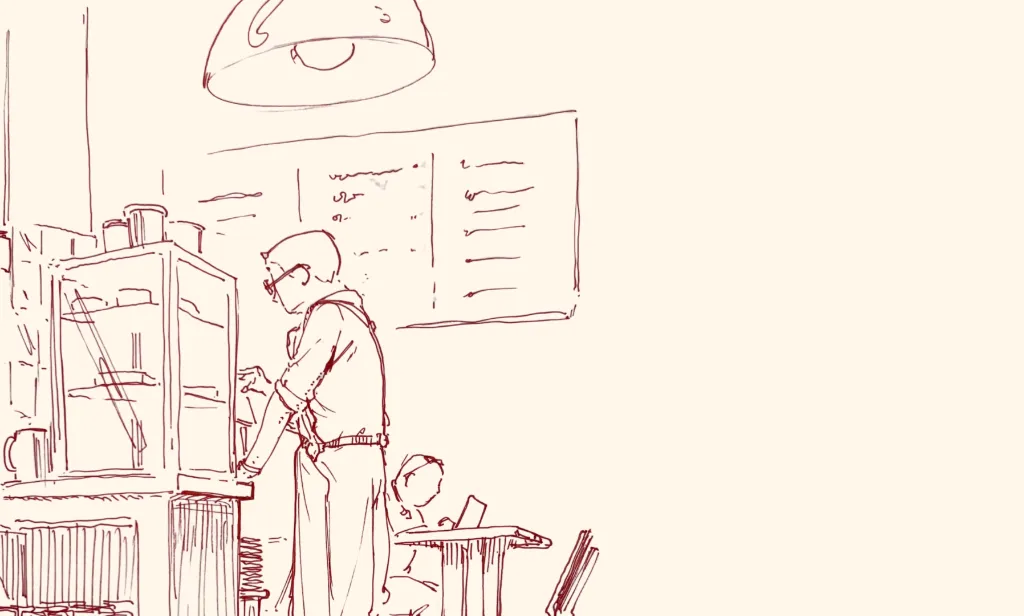
Traditional drawing by Antonio Stappaerts, made in red pen. A man working in a cafeteria.
3. Reduce friction to zero
If opening your sketchbook takes 30 seconds but finding your tablet pen takes 5 minutes and loading a reference takes another 3, you'll skip it every time. The window closes before you've even started.
Make starting effortless. Sketchbook open on the desk. Digital file already open from the last session. Reference already saved and ready. Pencils already out. The goal is to sit down and be drawing within 30 seconds. When the barrier to starting is that low, even a 15-minute window becomes usable.
This single habit change - reducing friction - does more for consistency than motivation ever will.
Separate practice from projects
This is one of the most important distinctions for busy artists. Long-form projects - finished illustrations, complex pieces, detailed character designs - they all need longer sessions.You can't meaningfully work on those in 20 minutes. And trying to do so is what makes short windows feel pointless.
Practice is different. Studies, gesture drawings, value thumbnails, quick observational sketches, master copies - all of these fit comfortably into 15 to 20 minute windows.
Keep your projects for weekends or longer sessions when they come up. Use your daily windows for focused, specific practice. Both move your skill forward, just in different ways. The daily practice builds the foundation, while the project sessions are where you apply it.
If you're not sure what to practice in those short windows, Artwod's roadmaps are built exactly for this. Bite-sized, structured learning paths designed for artists who don't have hours to spare - guided exercises that fit into your day without requiring a big time commitment. The structure is already there. You just show up.
Protect one longer session per week
Daily short sessions build the habit and keep your eye sharp. But one longer session per week is where you go deeper - work on a real piece, do a more complex study, tackle something you've been putting off.
Even 90 minutes on a Saturday or Sunday morning is enough if the daily habit is already in place. The weekly longer session becomes the place where the accumulated practice from the week shows up - where you notice what's improved, where you push further, where you work on things that need more time and attention than a daily window allows.
You don't need more than one. One protected longer session, combined with consistent daily practice, is a complete and sustainable practice structure for anyone with a full-time job.
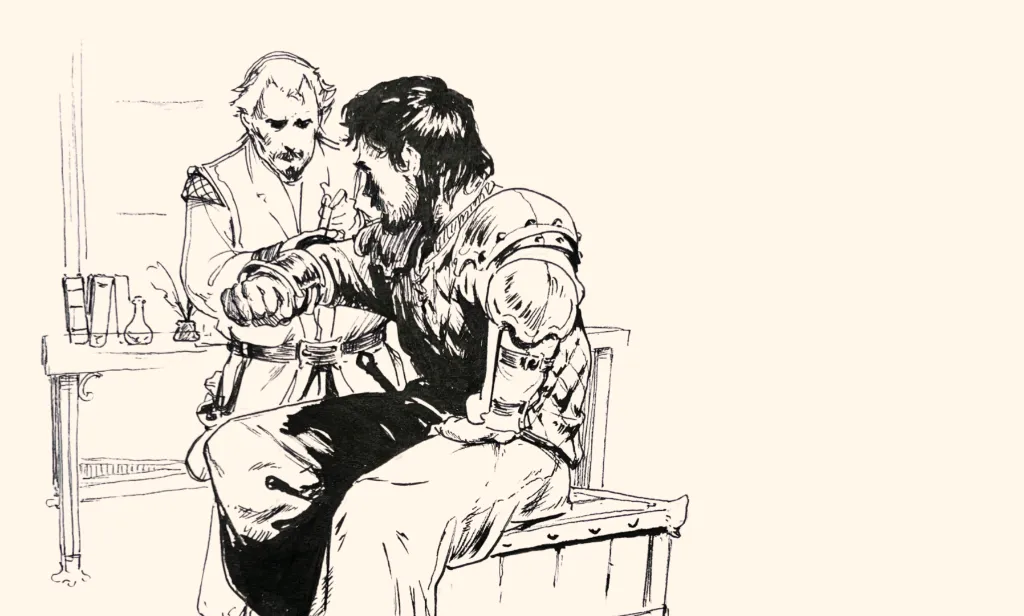
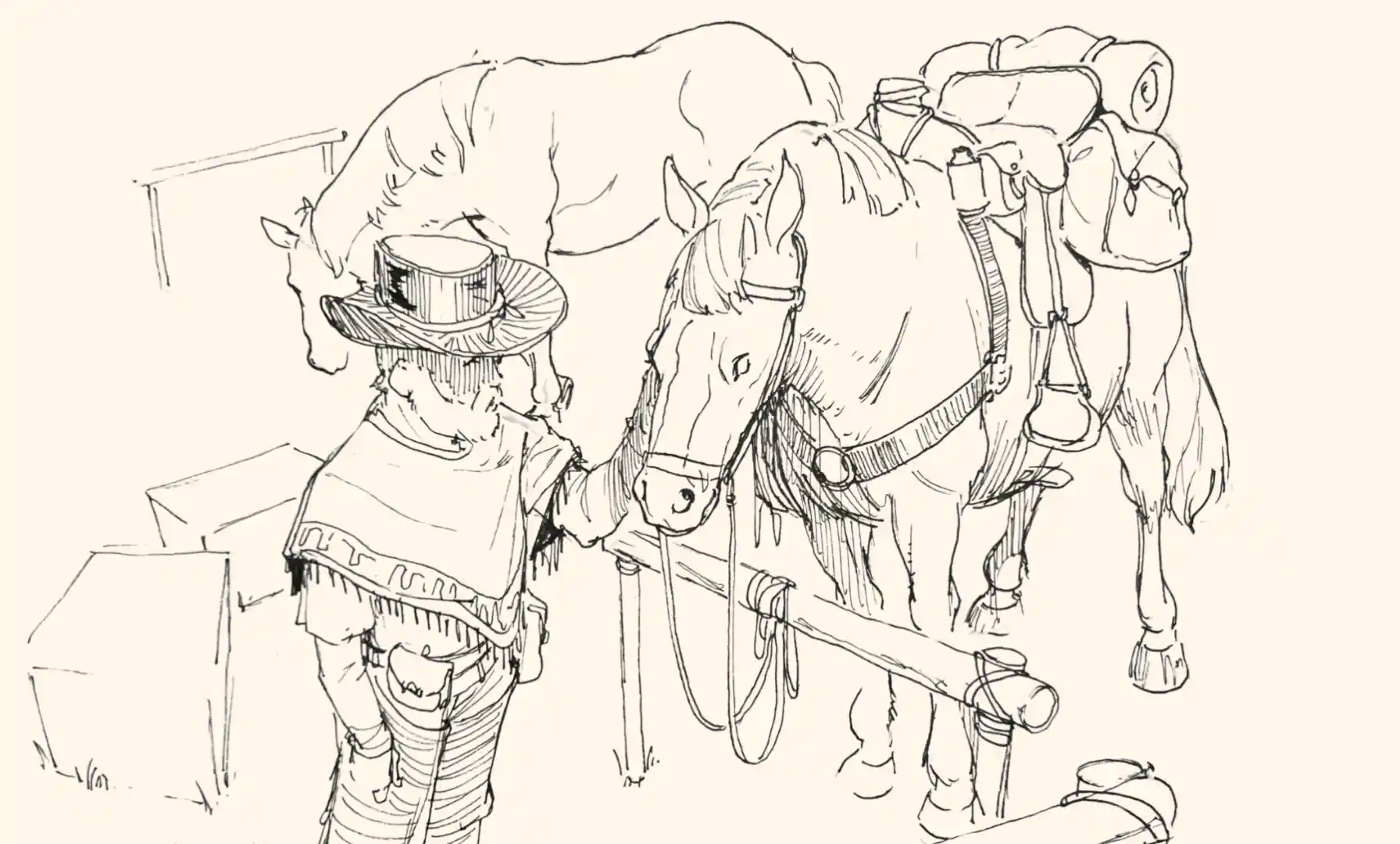
Traditional drawing by Antonio Stappaerts made in black pen. A doctor helping a warrior to stitch his arm.
Use your lunch break
This deserves its own section because it's the most consistently wasted window for working artists.
Most people spend their lunch break eating at their desk, scrolling, or doing low-grade recovery that doesn't actually rest them. A sketchbook and a coffee away from your screen is a better break AND a complete practice session. You come back to work more focused, you've done something meaningful with the time, and you haven't lost any of your evening.
The lunch break is also psychologically clean - it sits between two work blocks, which means it doesn't feel like it's cutting into personal time the way evening practice sometimes does. If you can only protect one window, this is the one worth protecting first.
Do all that for a month and you'll have more drawing time than you thought you had - and more progress than you expected from it. And if you want to connect with other artists, check out the Artwod Community Hub. It's the place where we help each other grow (all levels accepted!)