Cell Shading vs Painterly Rendering: How to Find Your Style and Make It Work
Cell Shading vs Painterly Rendering: How to Stop Getting Stuck Between Two Styles
Most artists who struggle with rendering aren't struggling because they can't render. They're struggling because they're trying to render in two directions at once - and the result satisfies neither.
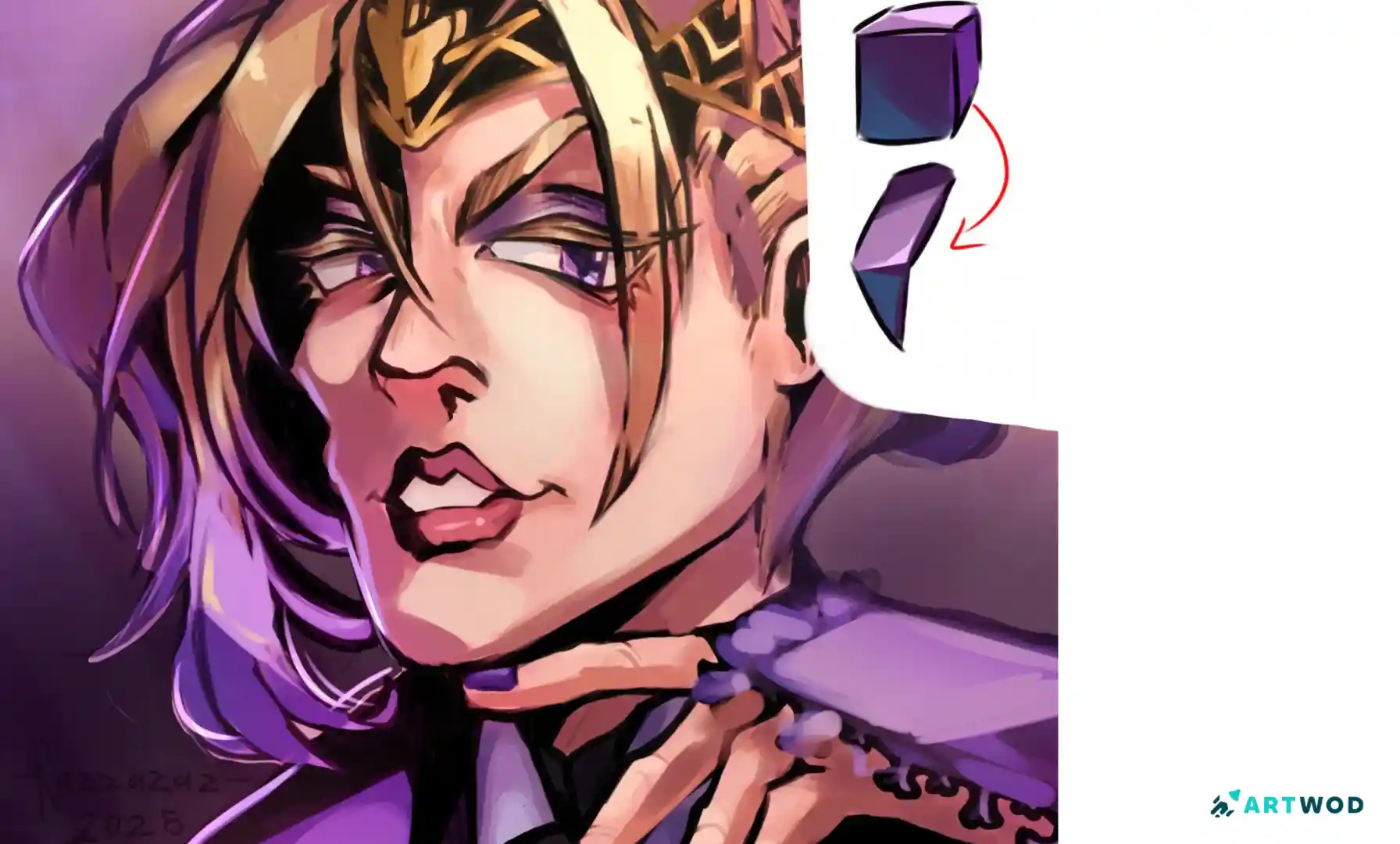
That's exactly the situation @razzazaz brought to the Artwod Community. A Twisted Wonderland fanart of Vil Schoenheit - a character with a strong visual identity that practically demands precise, deliberate rendering - and an honest question: how do you make a rendering style cohesive when you're torn between cell shading and something more painterly?
Two artists left feedback. Both pointed to the same underlying issue, just from different angles. Here's what they said and what it means for your own work.
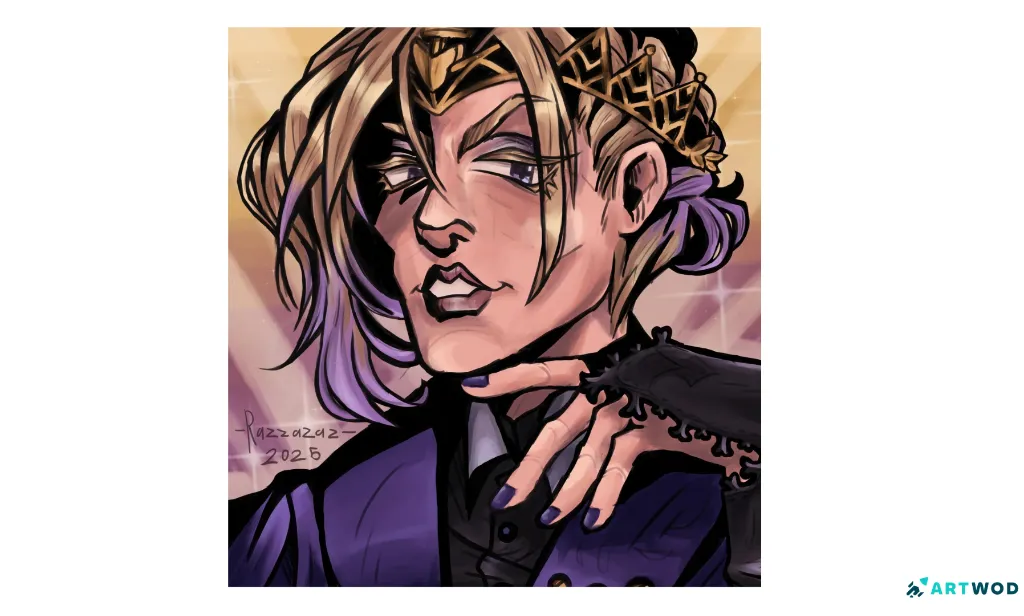
Twisted Wonderland fanart of Vil Schoenheit
The actual problem isn't style - it's light
@yurei471 reframed the whole question immediately. The issue isn't an incoherent rendering style. It's flat shading - the character appears lit from all sides, which means nothing reads clearly as light and nothing reads clearly as shadow. Cell shading needs strong value contrast to work. Painterly rendering needs a clear light direction to feel dimensional. Both styles fail on the same broken foundation.
Fix: decide on one light source before you shade anything and commit to it for the entire piece. Then check your work in grayscale. If everything collapses to a similar mid-tone, the value structure isn't there yet - and no style decision will fix it.
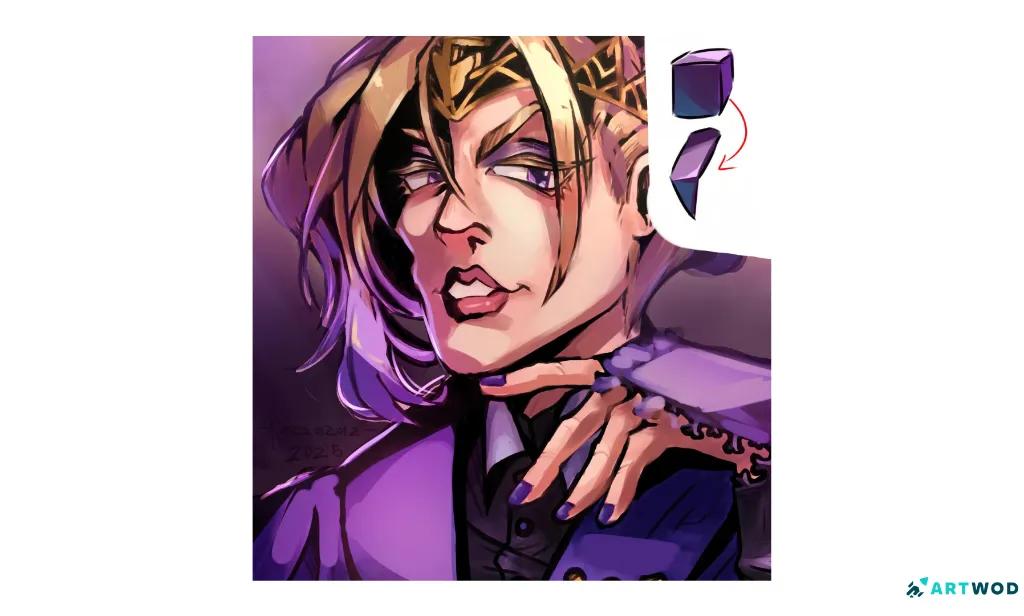
Twisted Wonderland fanart of Vil Schoenheit
Cell shading is not the easier option
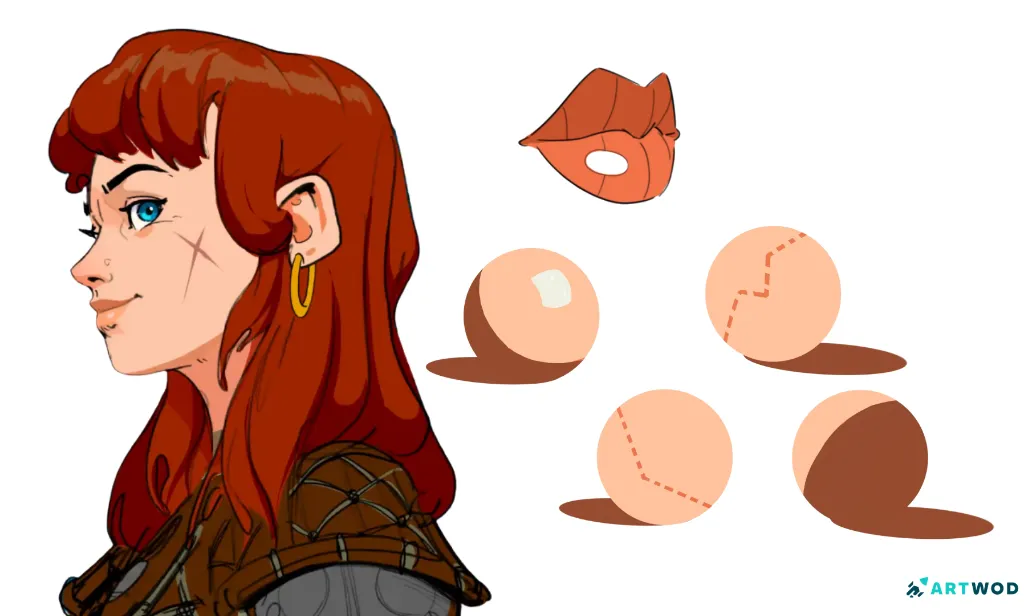
Cel shading example by Antonio Stappaerts digital 2d art
You don't have to pick one
@yurei471 demonstrated something useful in the paintover: cell shading and soft edges aren't mutually exclusive. Cel-style shadow shapes with selectively softened edges following the form can produce a distinctive hybrid. The difference between a hybrid style and a confused one is whether the choice was deliberate. One is a decision. The other is two styles fighting each other.
Before committing to a complex piece, test your shading approach on a basic cube first. Try different edge treatments on a simple form. Once you know what feels right there, translate it to hair, fabric, and face planes with a clear reference point for yourself.
Face planes are worth studying
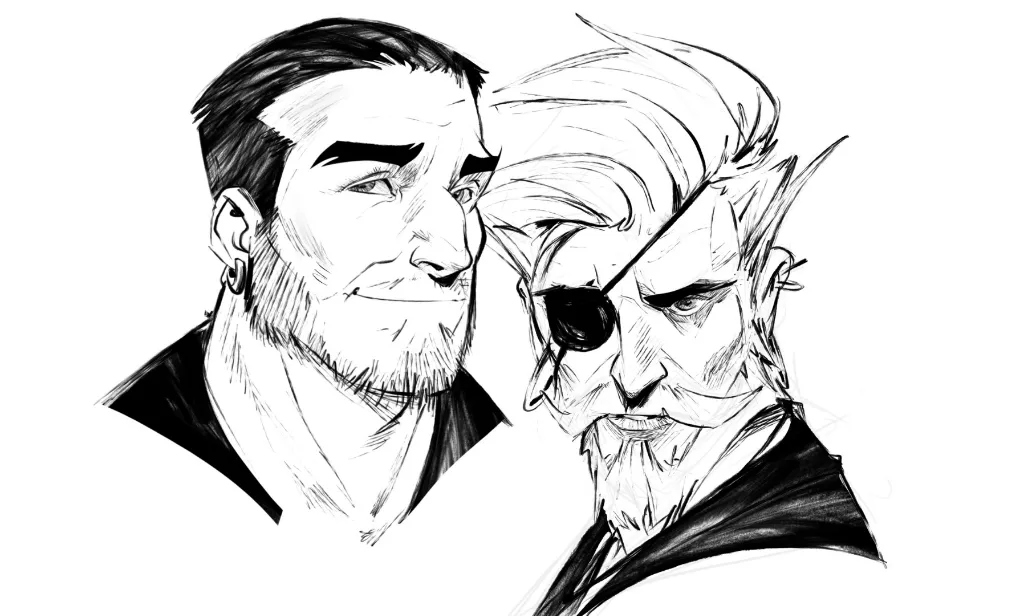
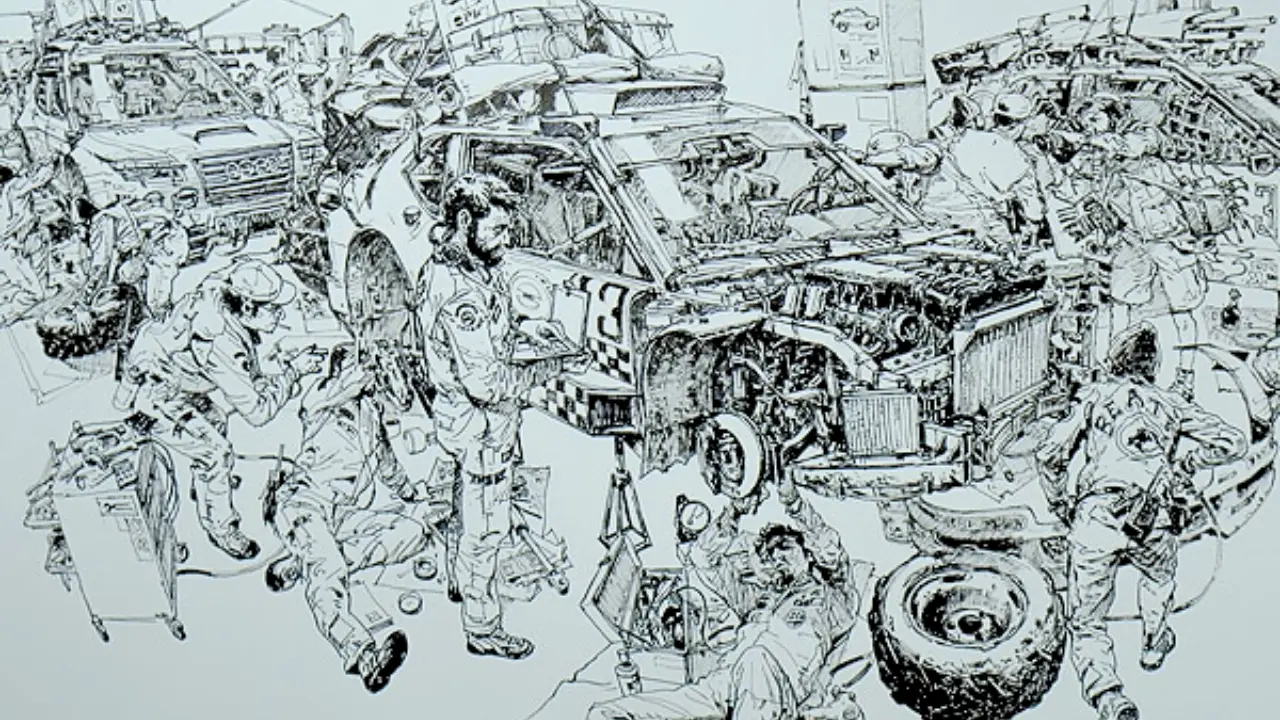
Portrait drawings by Antonio Stappaerts, black and white. Digital 2d art
FAQ
What's the difference between cell shading and painterly rendering?
Cell shading uses hard-edged shadow shapes and controlled value jumps for a graphic look. Painterly rendering uses softer transitions and more nuanced values. Both require a clear light source - they just handle the edges between light and shadow differently. The Painting Road covers the painting, and the cel shading road - the cel shading. Check both out!
Can you mix cell shading and painterly rendering?
Yes, if it's deliberate. Cel-style shadow shapes with selectively softened edges can produce a distinctive hybrid style. The key is consistency - whatever edge logic you choose should apply across the whole piece.
Why does my cell shading look flat?
Usually because the light source wasn't defined before shading began. Decide the light direction first, check in grayscale, then place shadow shapes as consequences of that decision. The Practice Section has value structure exercises that help with this directly.
How do I learn face planes for shading?
Study the major planes of the face as simplified geometric forms and understand how each one faces the light source differently. The Portrait Road covers head construction and face planes as part of a structured sequence.
How do I check if my values are working?
Convert to grayscale and check whether light and shadow areas are clearly differentiated. If everything collapses to a similar mid-tone, fix the value structure before making any style decisions on top of it.
How do I get feedback on my rendering style?
Submit to the Artwod Community Hub, describe what you were trying to achieve, and ask specifically whether the light source reads clearly and whether the shading feels cohesive. A targeted question gets more actionable feedback than a general request.
Related Posts