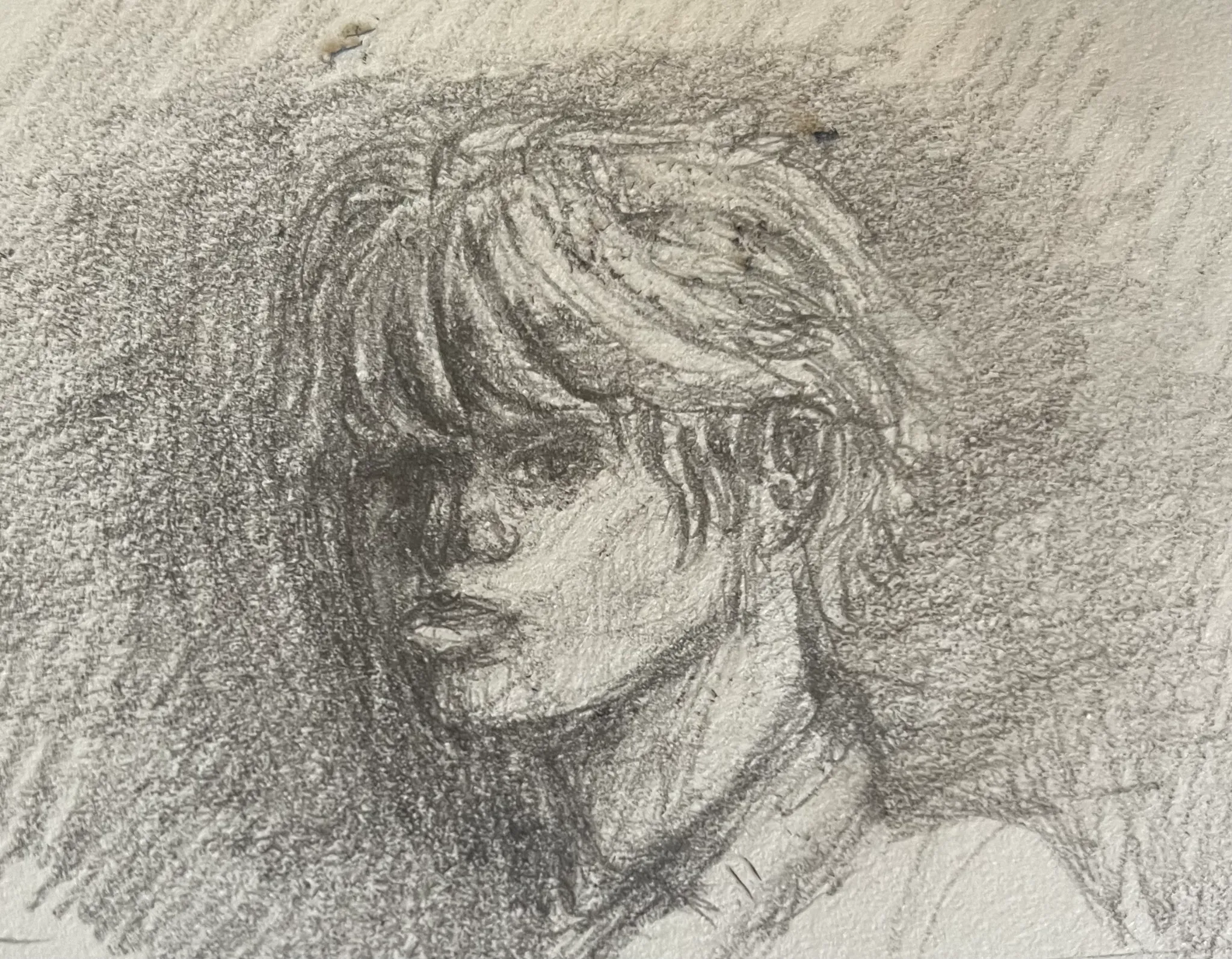
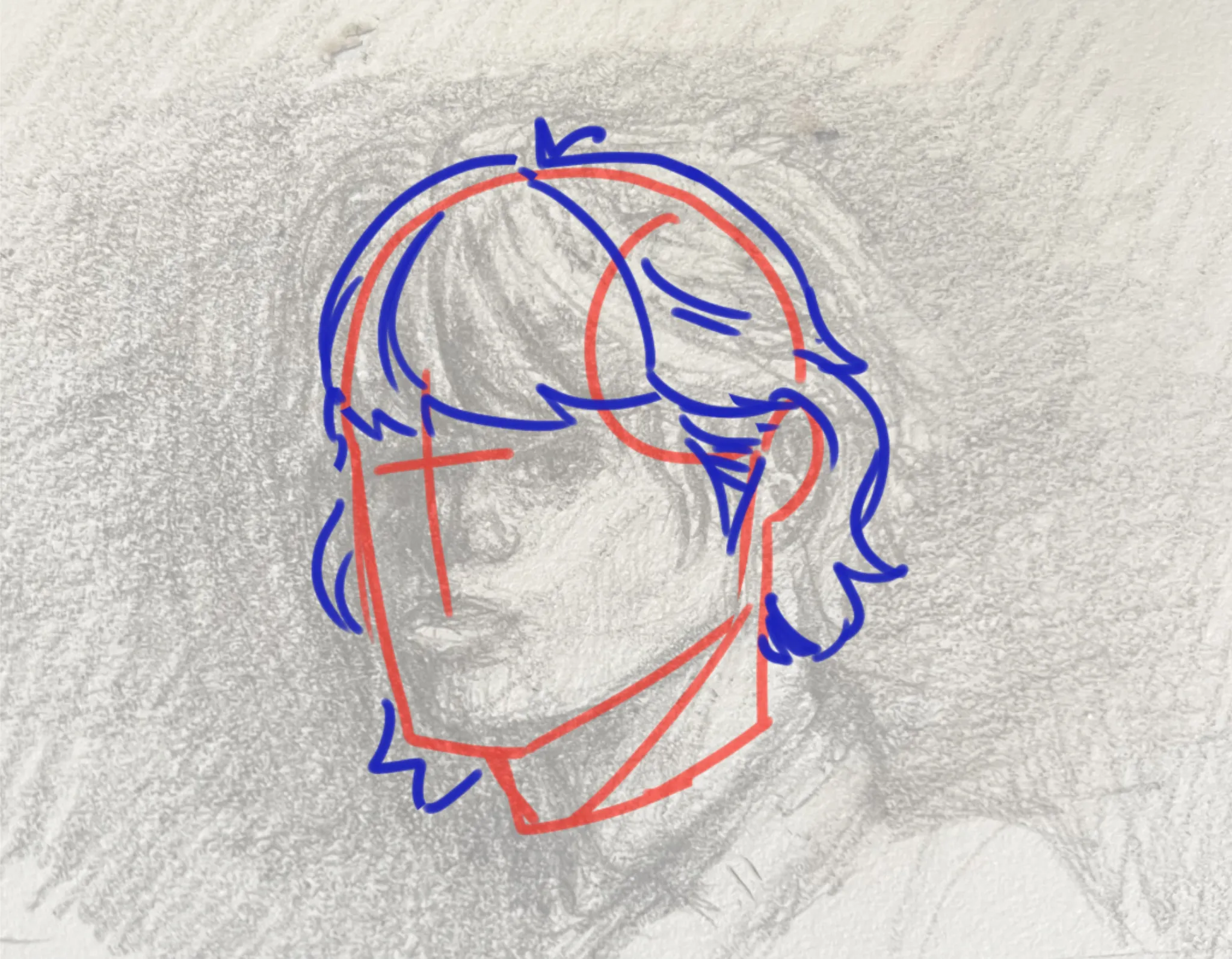

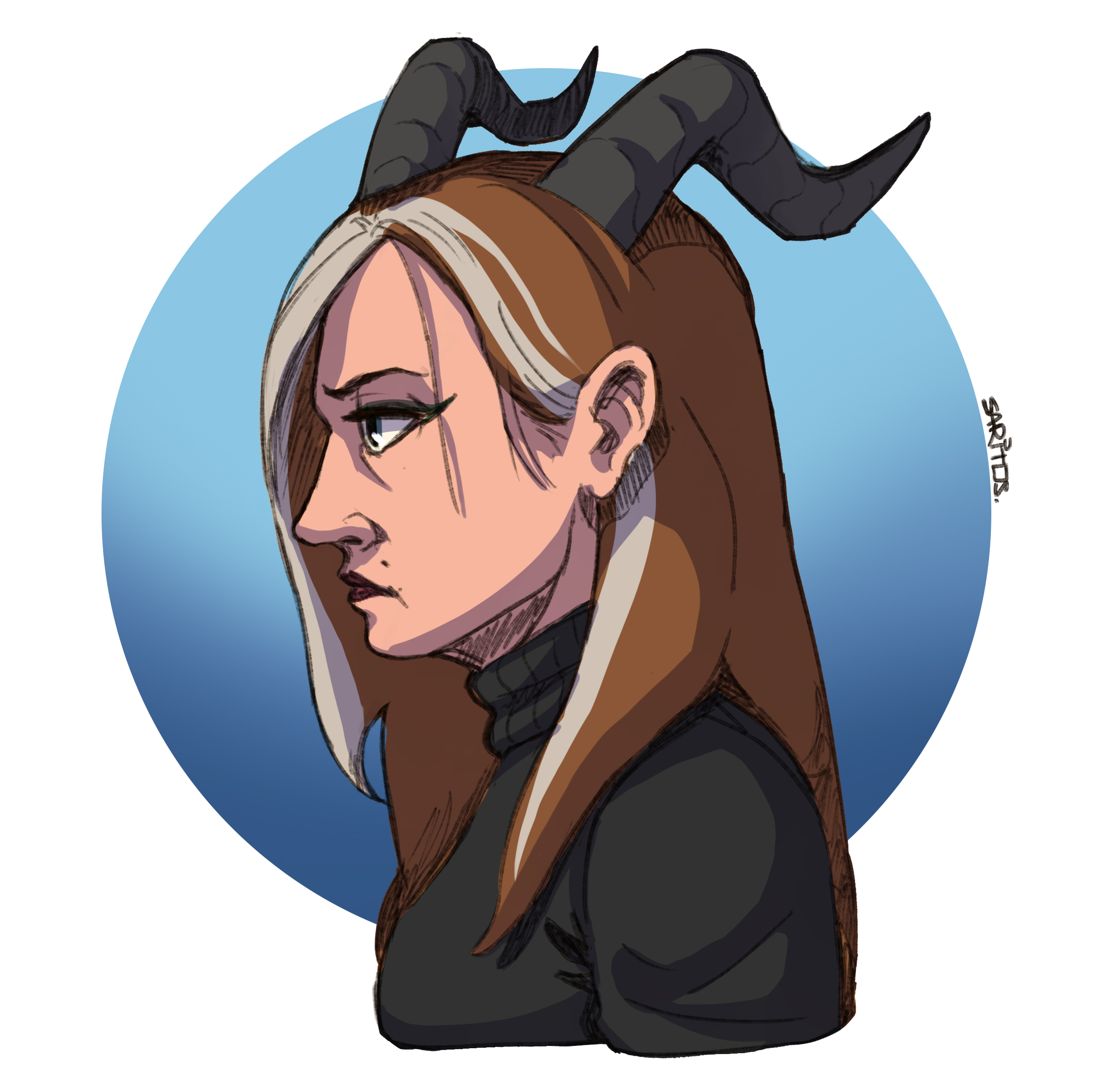
Hello hello! Looks nice and I like the mood you capture. For next time, try to be more methodical in your approach to make drawing a bit more cleaner and tight. The layer of mood we can put on top once we finish everything in the drawing. Determine the source of the light; sections that face it are bright, while those that face it are dark. To keep art from seeming flat, create a complete variety of tones, from deep, dark shadows to shining highlights. For lighter values, apply less pressure; for deeper, darker shadows, apply more pressure.To highlight the element's three-dimensional form, shade it in a way that surrounds its shape.Instead of trying dark tones right away, build up layers of graphite. Rather than trying dark tones right away, build up layers of graphite. For lighter tones, use HB pencils; for darker tones, use 2B, 4B, or 6B pencils. Random shading may obscure the shape of the object. Drawings that are overly blended may appear muddy or unclean rather than smooth. Try to find nice balance as you experiment with techniques of blending! Using a layered, flowing technique, realistic hair is broken down into structural, tinted locks as opposed to individual strands. The main shape should be sketched, highlight and shadow areas should be identified, smooth base tones should be applied, and fine details should be added and then lifted using sharp pencils and erasers. Instead of drawing individual hairs, sketch the general contour of the hairstyle, emphasizing how hair flows in big, volumetric shapes or "clumps." Instead than drawing each individual hair strand, which could make the hair appear stiff, concentrate on the general texture and value (light/dark). Make sure you use the big>medium>small principle and always have in mind the position of the head. Hope it helps!
Peintres (0)
Portrait
Notes d'artiste :
I think the hair could be better. How could i improved it?