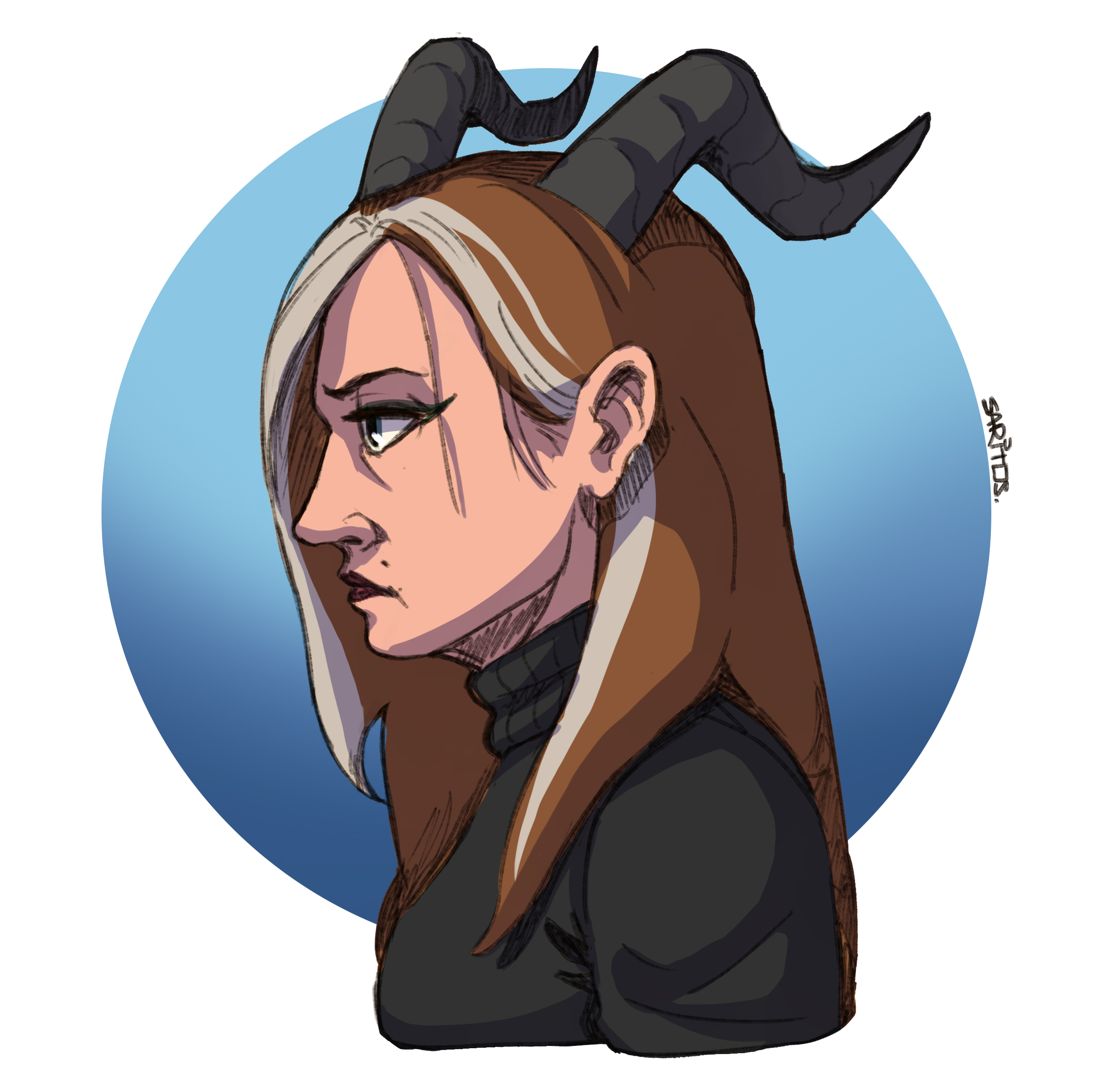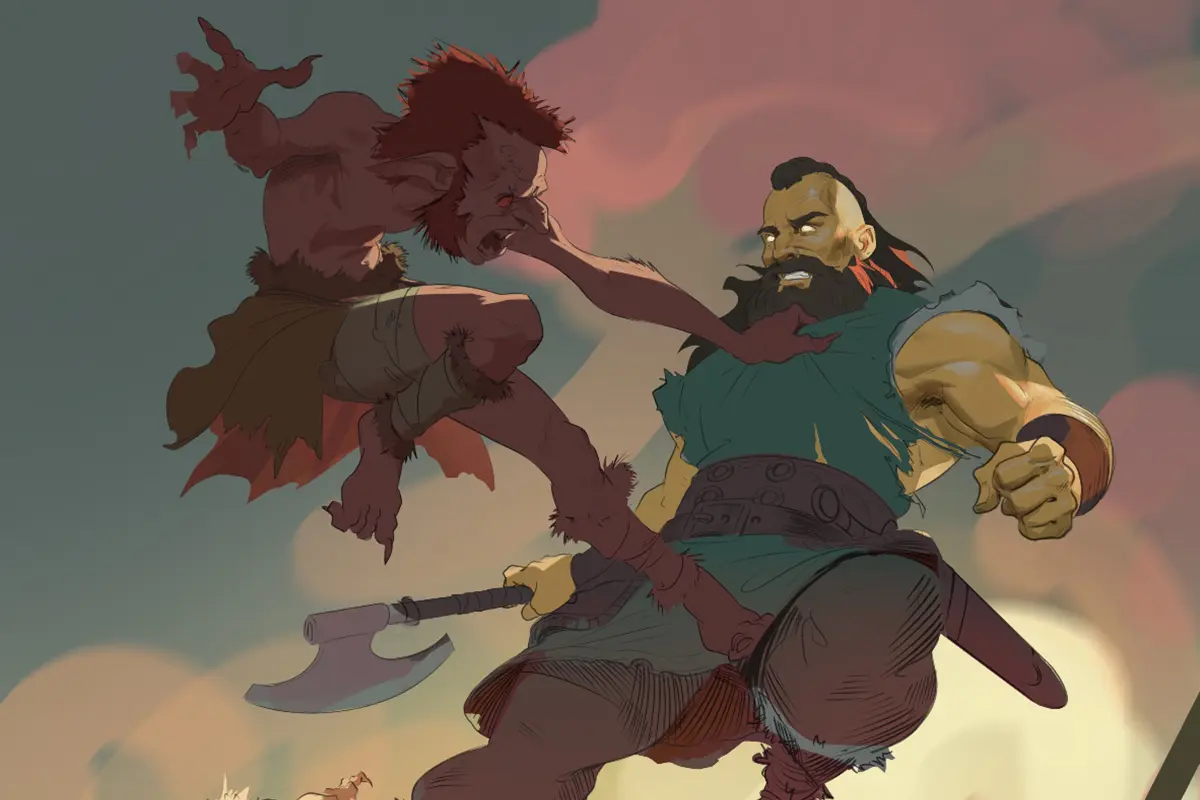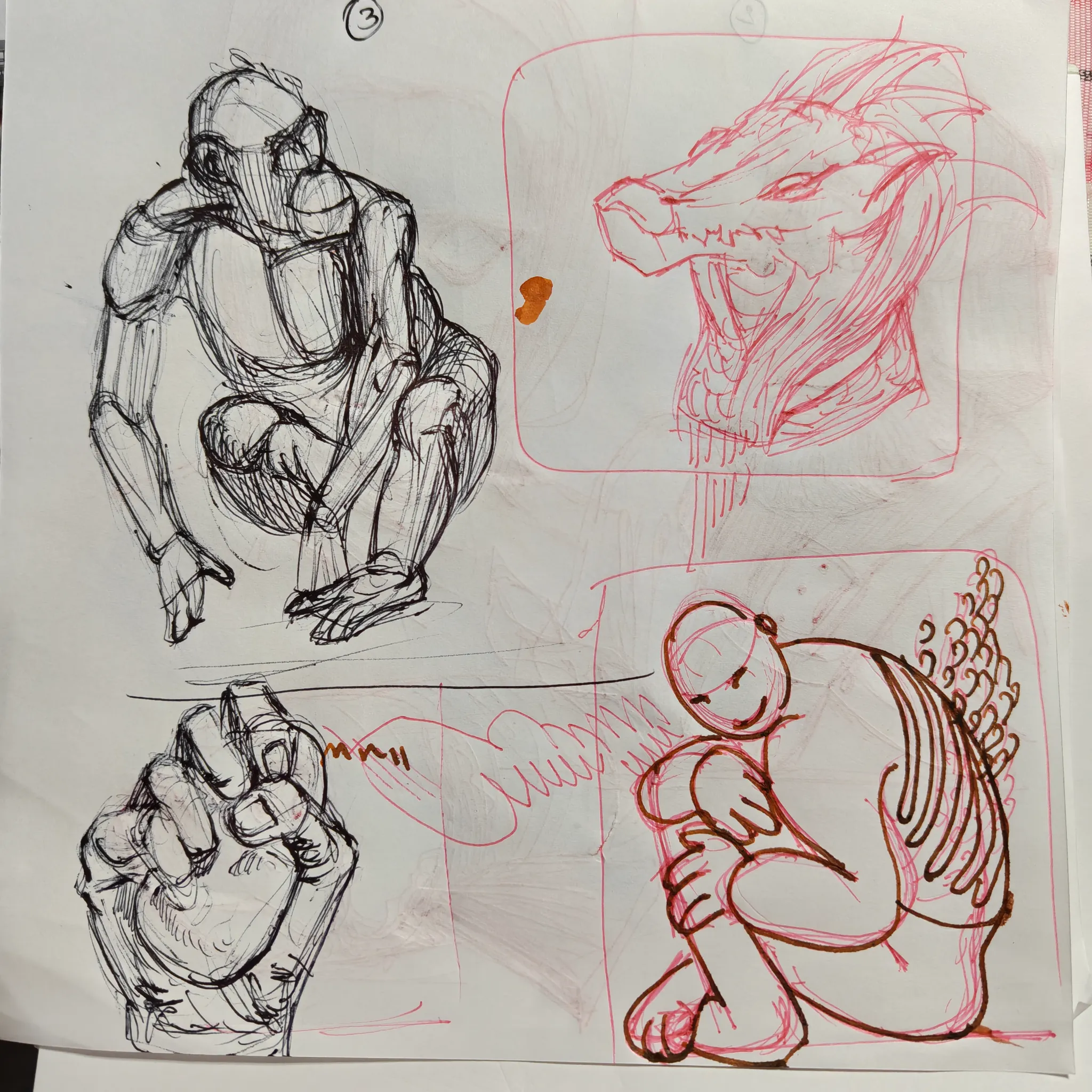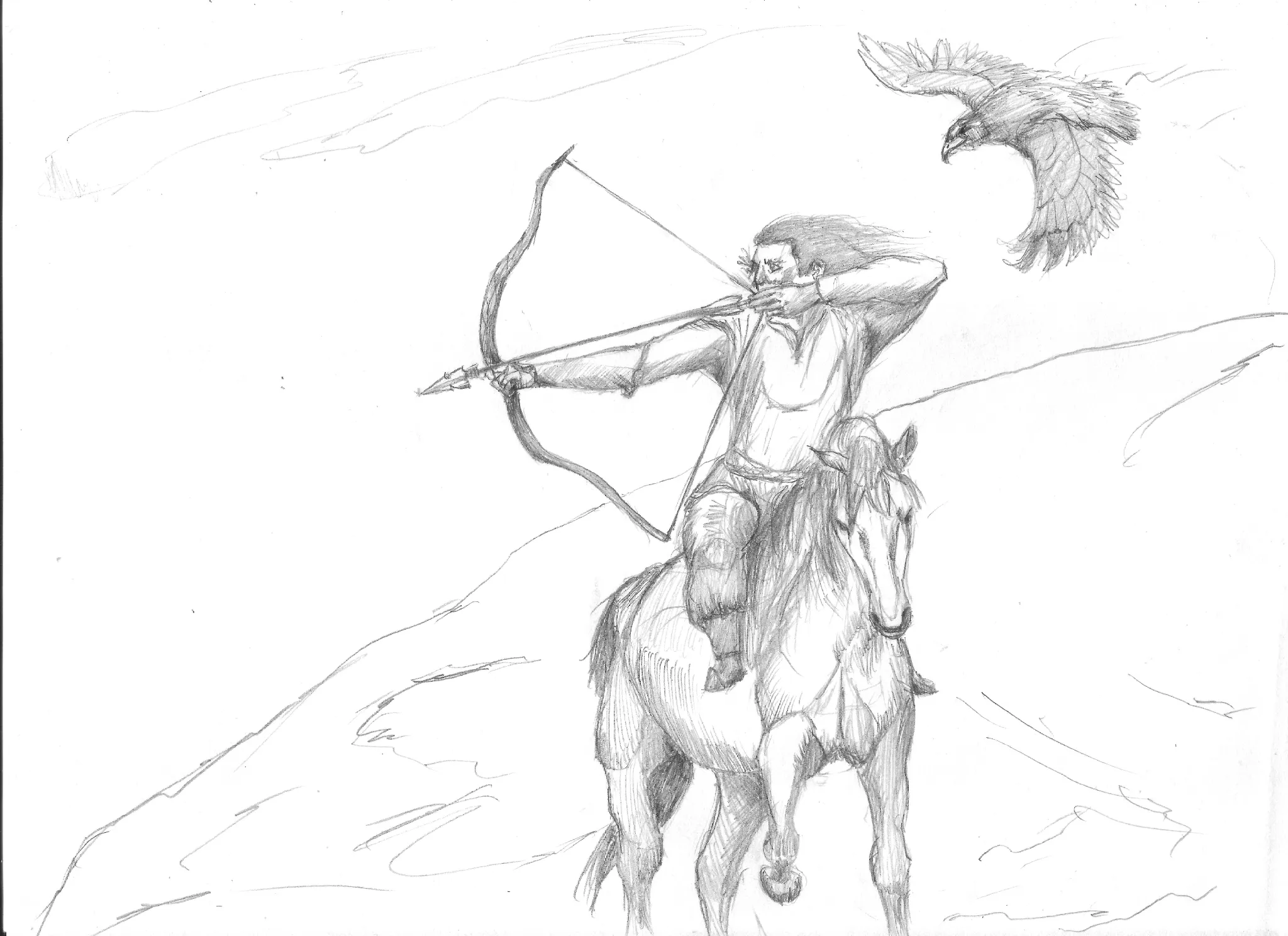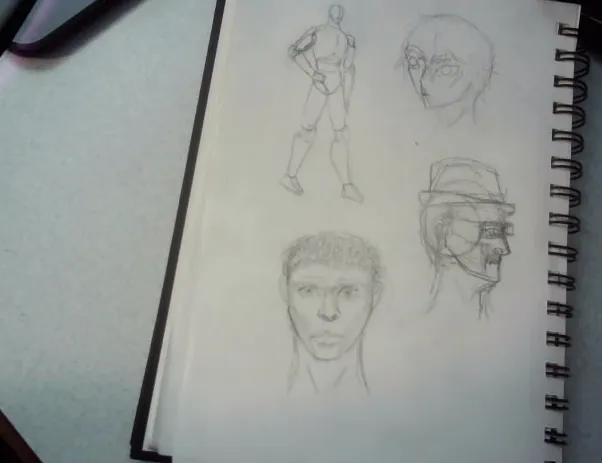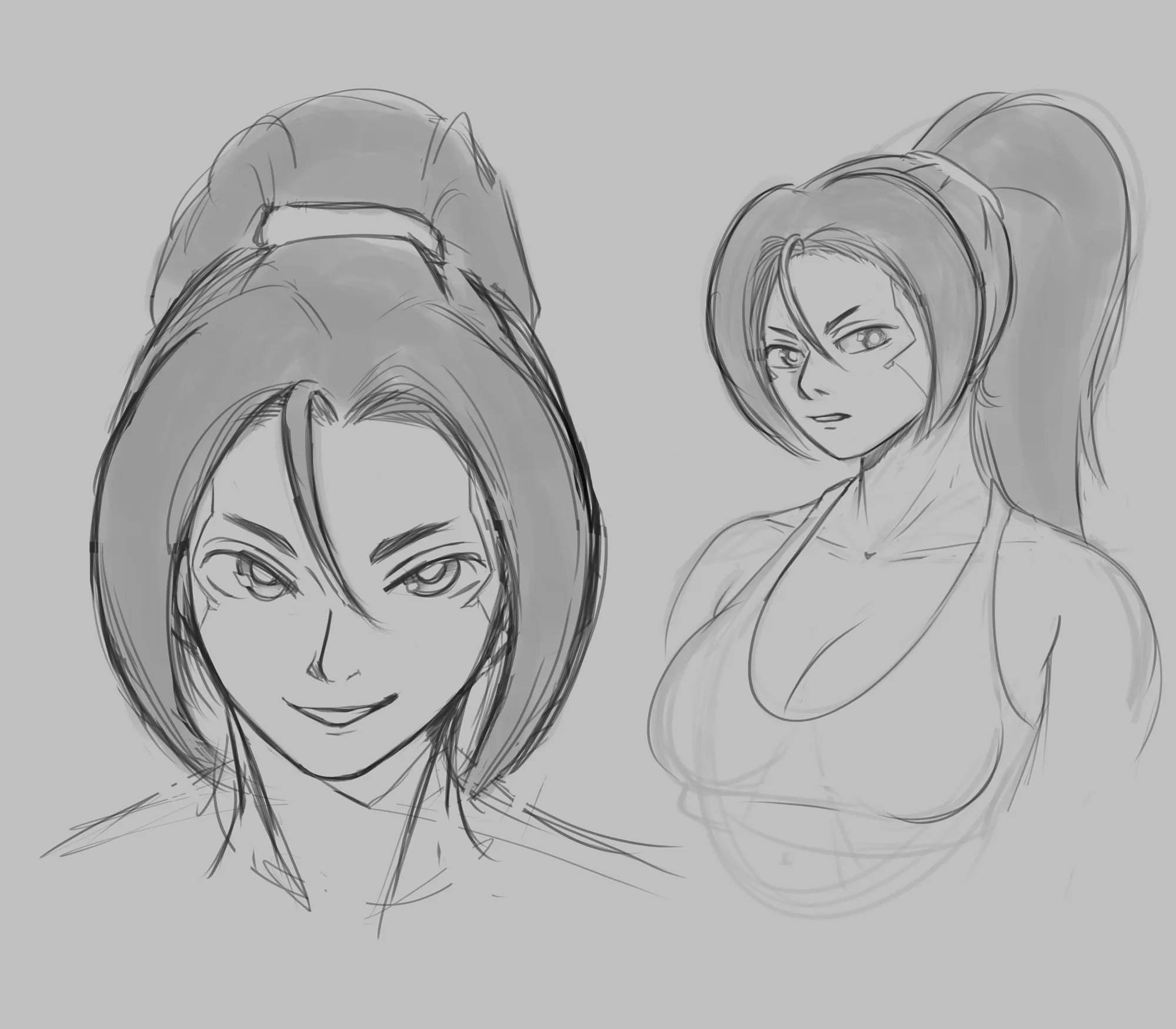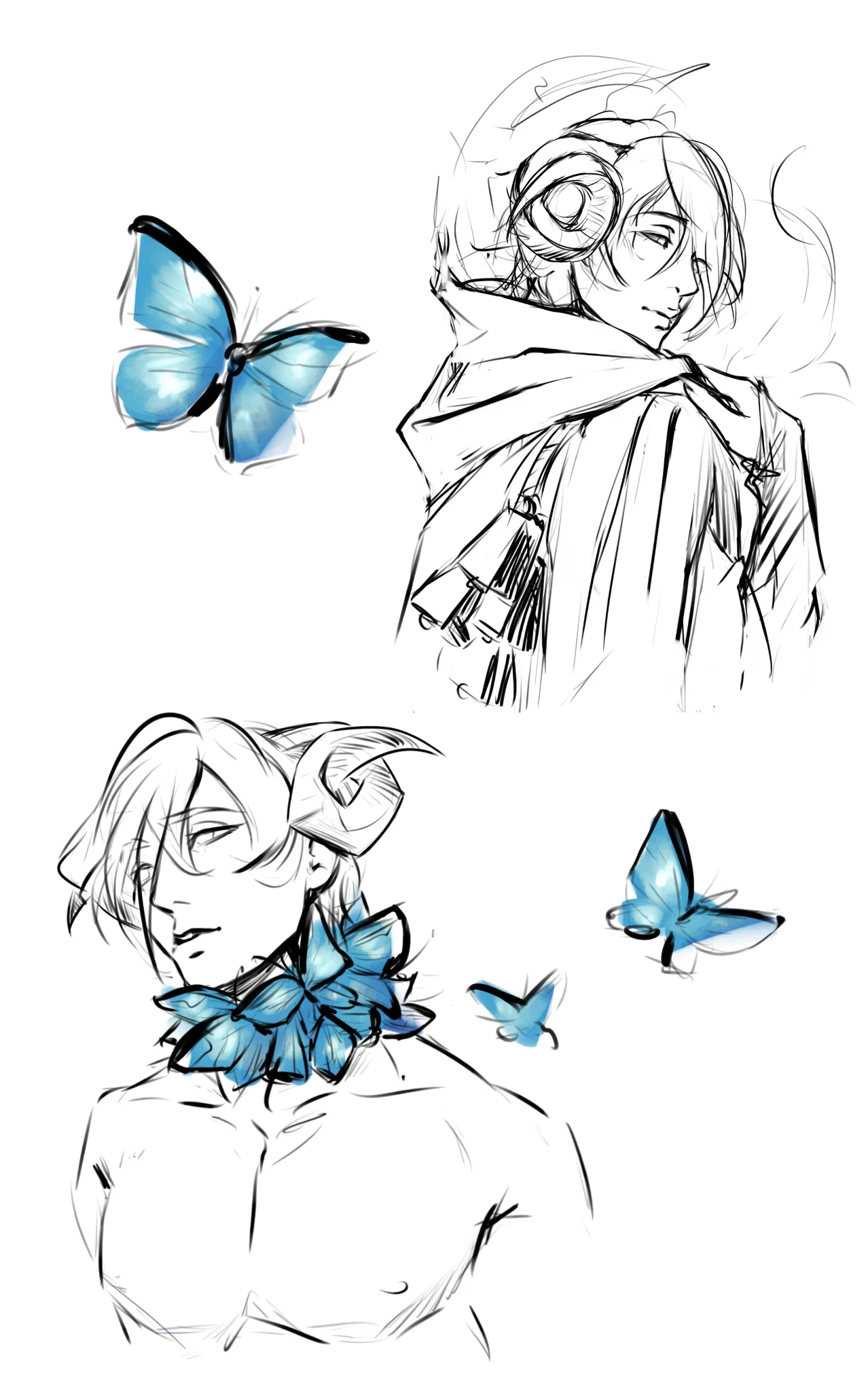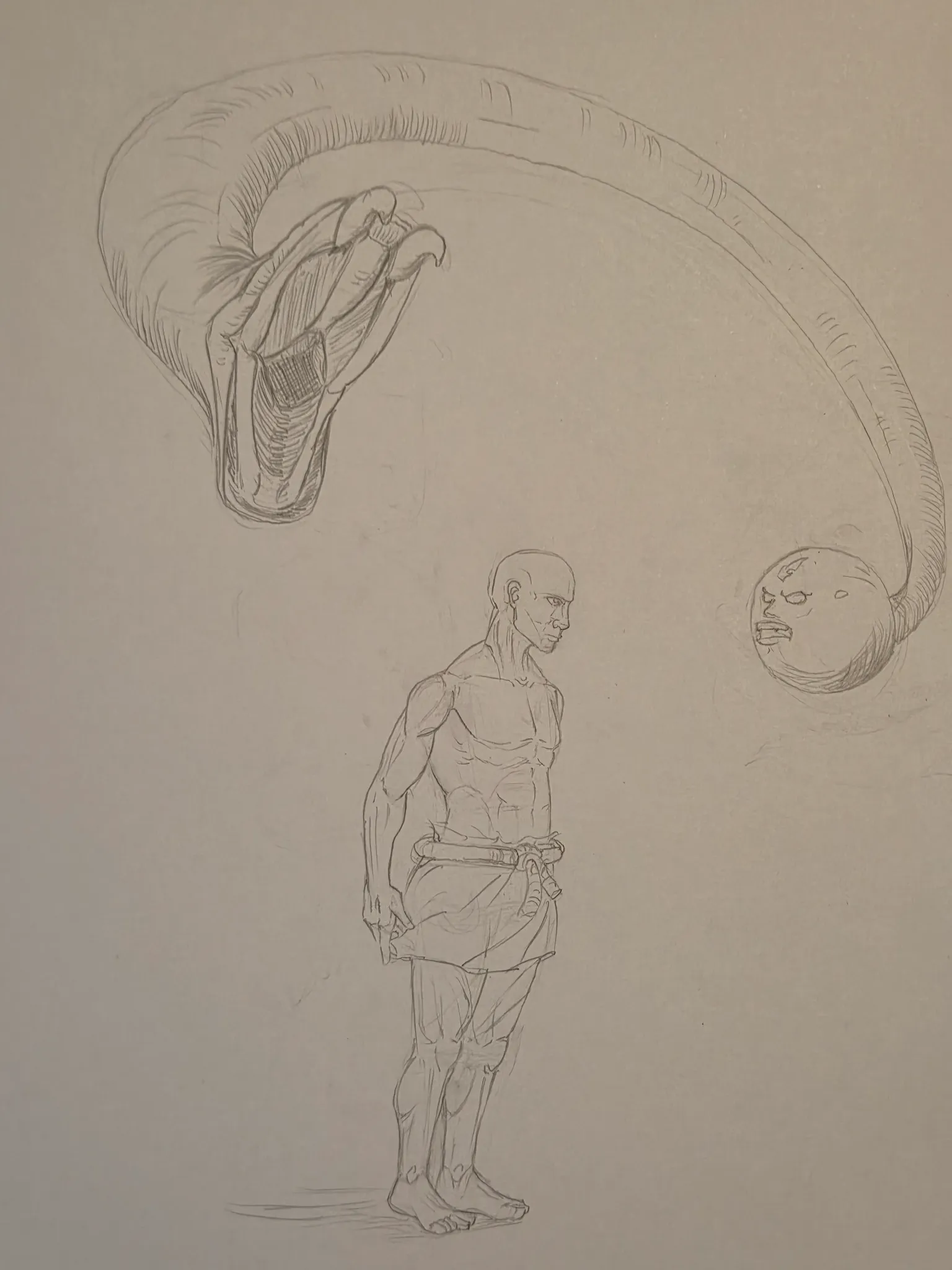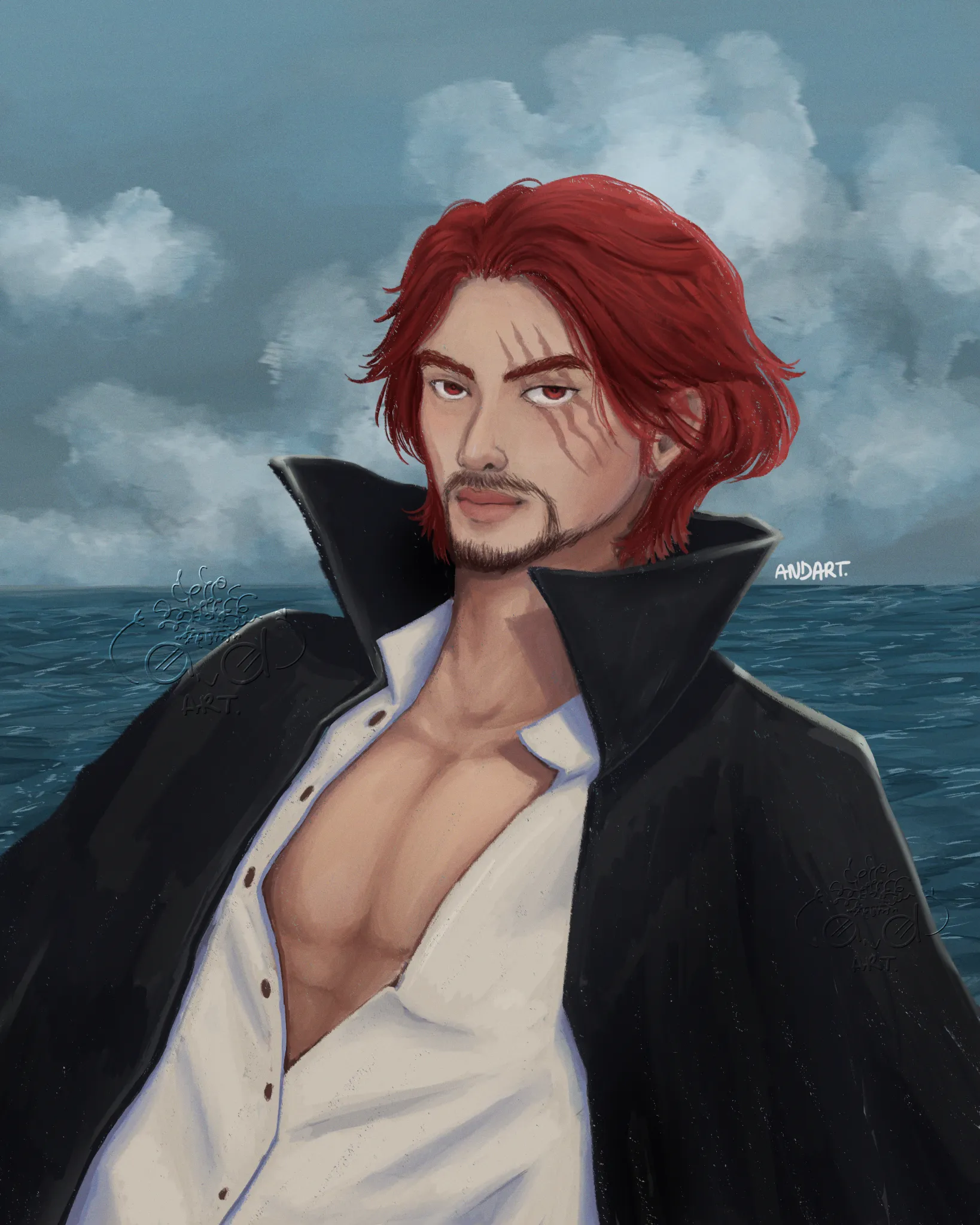
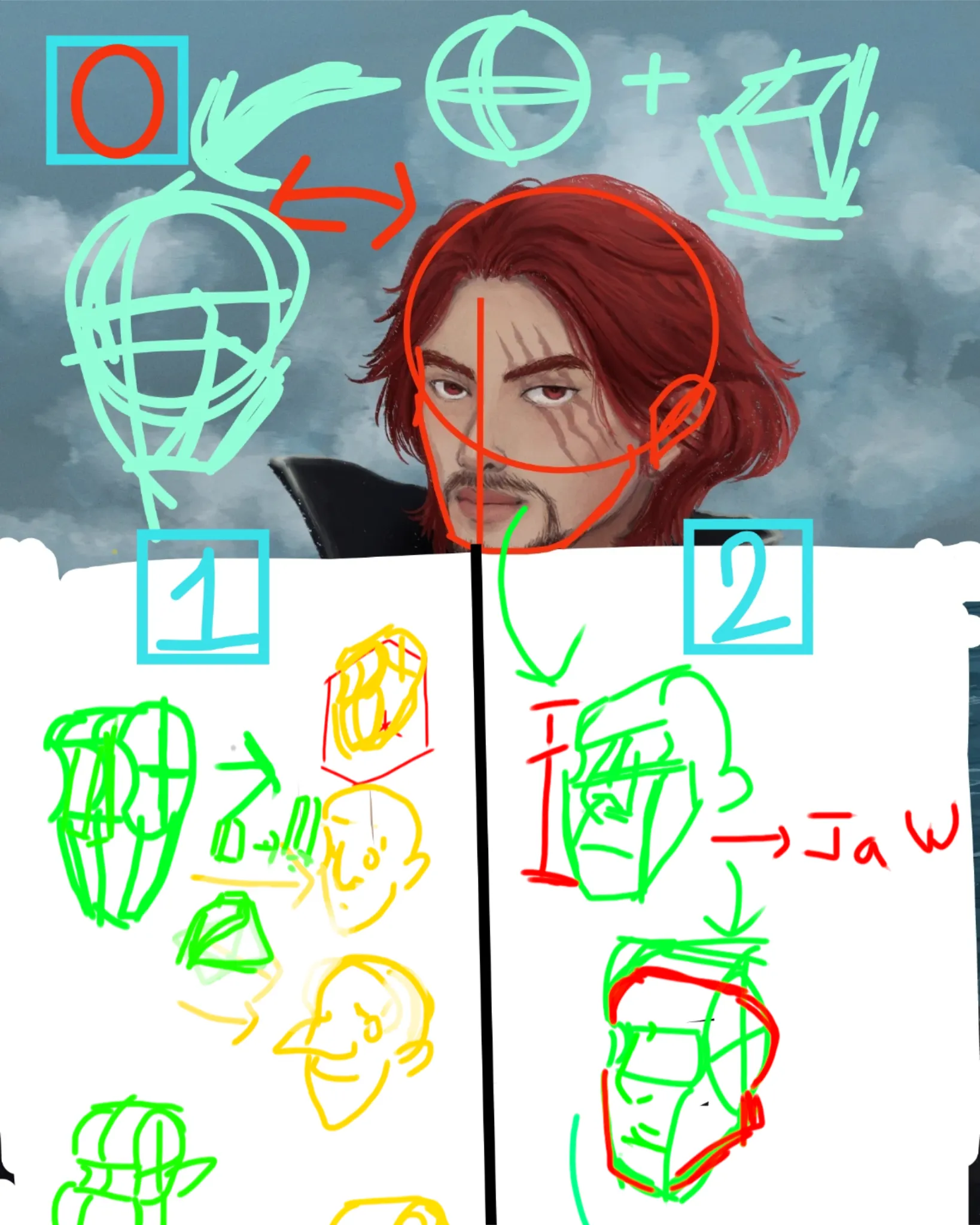
Hey 👋 geat artwork, really smarts how you used the specifics like the coat and hair to describe the character without nailing proportions and shapes themselves. Although i do think that you have already altered the jaw to be more strong, and the eye socket curve is stronger then the complete average. What you are describing here is a very common feeling that occurs among artists practicing portraits, specially for veg who have learned portrait drawing by loomis method. It is, quite a common tendency to stick to the same, safe base face and not alter it to much extent, causing every portrait to look the same . For getting out of such limbo, i would suggest two actions you can take, that are going to help you get more used to drawing different types of faces, and also build your visual library of faces fast, both helping one another. Two practices are 1. Alteration practice, 2. Reference recall. For this , although you needs not only understanding of 2-D loomis mnemonic of face, but also a 3-dimensional understanding and breakdown of the face, and its features in the simple forms ( step 0 ). Overtime you may wish to advance from the most basic head to Reilly rhythm, or even asaro head for more clarity or breakdown. Starting with alteration practice, one of the most efficient way to get more freedom with loomis head is to dedicate specific, mess up sessions to just mess with average face, and to make a mess 👀 . For this exercise, we want to choose a specific part or feature of the face, (as broad as cranium or narrow as hairs ) , and a specific tool that we are going to use and mess with the face. You may choose any tool, such as form manipulation from artwod roadmap ( subtraction, addition, inflation, contour manipulate, etc ) , relative proportions, or perspective (if you struggle with it, force it. Draw a box at uncomfortable angle and draw the head cohering to it. Next up, to fuel your alterations, we are going to use references. This is where the reference recall exercise helps. For this exercise, we takes a random portrait reference ( from any chosen site , pintrest recommended) which really interests you by its shape or proportions. Then we are going to try to compare the reference with our baseline mannequin of head (as illurstrated ) or features ( more advanced , needs feature mannequin). Asking " How are the shapes different " ?, " How are the proportions different " ?. Then after we have a gasp of how it is different, we decides on what types of alterations we have to do on the basic head to make it resemble the reference. After that, we are going to turn our reference away, and recalling from memory, try to draw the simple , altered form of the reference that we have just thought of in the last step. Now we turns to the reference again and see how different our interpretation of the face is, and then correct it. Both of these exercises are by no means eazy , you are going to firstly make a "Mess " on both ,and both do have some prequests for them, and do takes time. But that is just how efficient learning work, you fails, makes mistakes , building strong foundations that all the other smaller things falls on top of. And over time, if you lets yourself fail enough , and instead of hiding them, solve and erase them, eventually you will be able to still make a mess playfully, yet have a beautiful piece at last.
Participez à la discussion
Inscrivez-vous pour donner votre avis sur cette œuvre.